
Blog
Where to Walk in September
In short
Early September can still be the Tour du Mont Blanc, which runs to mid-September, and Alta Via 1, which runs through September. The Laugavegur ends early in the month. Everest's autumn starts late September. Annapurna Base Camp's autumn is October to November, so September is not its season.
September is two different months
September is not one walking season. The first half still belongs to the Alpine hut tours. The second half is when those tours have closed and a different set of trails becomes the honest choice. If your dates are the first week, you can still walk the Tour du Mont Blanc, and Alta Via 1 runs through the month. If your dates are the last week, the TMB season has already ended, Everest’s autumn is only just starting, and Annapurna Base Camp is still not in its autumn window.
That split is the whole decision. People lose September by treating it as a vague “shoulder” that makes every famous trail quieter and still open. Some are quieter. Some are finished. The month list is on Where to walk in September. July, when these hut tours are full rather than ending, is Where to walk in July.
Hut tours: still open, or already closing
Tour du Mont Blanc, first half only
This itinerary is seven days, about 170 km and about 10,000 m of ascent, graded hard, through France, Italy and Switzerland. Most walkers take 7 to 11 days in refuges. There is no technical climbing. The season is mid-June to mid-September.
Early September is the other quiet window the route deserves, after the July and August crush and before the huts shut the season. Mid-September is the end of the sentence, not a suggestion. A start in the third week is outside the season the page states. Snow is a June problem on this trail. The September problem is a closed refuge chain and a pass season that has finished. If the TMB is the trip and your dates slip past the middle of the month, the Dolomite alternative is the one that still lists September: Tour du Mont Blanc or Alta Via 1.
Alta Via 1, through the month
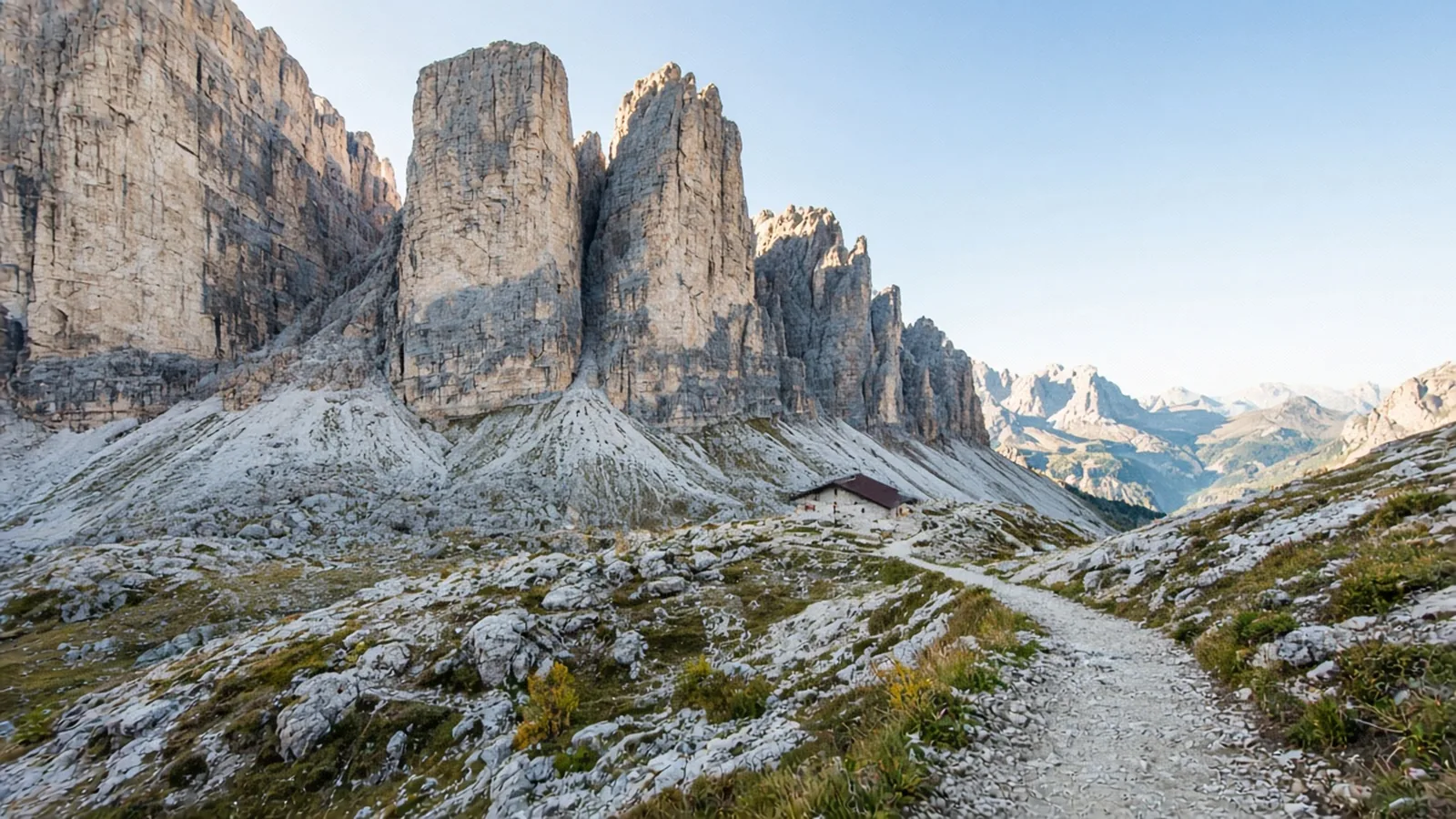
Six days, about 120 km, about 6,500 m of ascent, graded hard. Rifugios from Lago di Braies toward Belluno, under the walls of Civetta and Pelmo. The season is late June to September, once the huts are open and the high passes are clear of snow. The rifugios themselves run roughly late June to late September.
September is a real Alta Via month, including weeks when the TMB has already stopped. It is still a hard alpine route. Book the huts. A clear September week is not a walk you improvise from Cortina because the Mont Blanc refuges have closed for the year. The grade does not drop because the calendar says autumn.
The Laugavegur, early September only
Four days, about 55 km, about 1,200 m of ascent, graded moderate, from Landmannalaugar to Thorsmork. The season is late June to early September, the weeks the mountain huts are staffed. The highland buses run in that same season.
Early September is the last of it. A plan that starts mid-month is a plan for a trail whose huts are no longer the operation the page describes. The walking is the gentlest of the hut routes in this article. The logistics are not gentle once the staffed season ends. Four days across the interior, with river crossings, is not a walk you begin because the road still looks open. If you wanted this trail, the month it opens is June, and the month it finishes is the start of this one.
Nepal: one season starts, and one does not
Everest Base Camp, from late September
The highlights itinerary is eight days, about 110 km, about 3,200 m of ascent, graded hard. Base camp is 5,364 m. The seasons are the pre-monsoon spring, March to May, and the post-monsoon autumn, late September to November.
Late September is the start, not the whole month. The first two weeks of September are still outside that autumn window. Altitude is the difficulty, and this version is already a compressed highlights line, with less room for extra days at Namche and Dingboche than the classic pace. Do not fly to Lukla on 3 September and call it the autumn season. Do fly, if you are ready for the height, once the month has turned toward its end. The comparison with the other base camp, which is on a different calendar, is Everest or Annapurna base camp.
Annapurna Base Camp is not a September trail
Annapurna’s highlights are seven days, about 90 km and about 5,000 m of ascent, graded hard, to the sanctuary at 4,130 m. The seasons are October to November and March to April. The page says to avoid the June to September monsoon, and to treat deep winter snow above Deurali as a separate danger.
September is named in the months to avoid. It is not a quiet early start on the autumn season. The autumn season begins in October. More ascent than Everest, a lower camp, and a gorge that opens into a ring of peaks: all of that is real, and none of it is a September itinerary. Wait for Where to walk in October. The spring window, if you are planning the other way, is Where to walk in March.
Pilgrim roads and coast paths that actually like this month
The French Way, still inside its listed season
Waymark’s French Way is seven iconic stages, about 168 km and about 2,800 m, graded moderate. They are sampled days along a road of some 769 km, not one continuous week. The season is late spring to early autumn, May to September, and the page says to avoid the Pyrenees crossing in winter.
September is the last month of that listed season. It is a fair month to walk, and it is the end of the range, not a secret empty one. Summer beds fill early; September is better than July without being a private path. The certificate rules, including the short-route detail people mean when they say Sarria, are in the Camino season guide, not repeated here. If the year you are walking is 2027, read the Holy Year page before you assume a normal September. The choice against the coastal Portuguese highlights is Camino Frances or the Portuguese coastal route.
The Portuguese coastal highlights
Six sampled stages, about 142 km and about 1,800 m, graded moderate. The coastal road itself runs about 260 km, and most pilgrims take 11 to 14 days over the whole of it. These six days are a highlights set, linked by train and bus, not a single unbroken walk. The good months are April to June and September to October. July and August are hot and busy, though the sea breeze keeps the coast cooler than the inland Portuguese route.
September is the start of the second good window, and October continues it. That is a wider autumn than the French Way’s listed season, which stops at September. Come for the Atlantic, the boardwalks and the ferry across the Minho. Do not come expecting the coast path to hug the shore every hour: it drifts inland and back.
Cinque Terre and the Path of the Gods
Both of these are one-day walks, and both name September inside their good months, after a summer they tell you to skip.
The Blue Trail is about 12 km and 600 m, graded moderate, through the five villages. The good months are May to June and September to October. Summer is hot and crowded. The path needs a trekking card, and landslides close sections often enough that the day’s status is part of the plan. September is the month you get the villages without leaning into that summer.
The Path of the Gods is about 9 km and 350 m, graded moderate, from Bomerano toward Positano. The good months are April to June and September to October. The page says to avoid the midsummer heat and haze. There is little shade and no water once you leave Bomerano. September is the start of the second clear window. The easy third day, if neither cliff path is the point, is the Lake Como Greenway, and the comparison of all three is Cinque Terre or the Path of the Gods.
The Blue Trail and the Path of the Gods.
How to spend the month you actually have
If you can be in the Alps in the first half of September, walk the Tour du Mont Blanc or Alta Via 1, with huts already booked, or finish the Laugavegur before its staffed season ends. If you can only be there at the end of the month, leave the TMB, leave Annapurna, and look at Everest’s opening autumn weeks, the Portuguese coast, or the two Italian day paths.
Questions
- Can you walk the Tour du Mont Blanc in September?
- Only in the first half. The listed season is mid-June to mid-September. A start after that is outside the season on the page. Alta Via 1 still lists September, through to the end of the rifugio season.
- Is September Annapurna Base Camp season?
- No. The autumn window is October to November, and the other window is March to April. The page says to avoid the June to September monsoon. September is one of the months it tells you to skip.
- When does the Everest autumn season start?
- Late September. The seasons are March to May and late September to November. The first half of September is not yet that autumn window. Base camp on this highlights trek is 5,364 m.
- Is September a good month for the Camino?
- The French Way highlights list May to September, so September is the last month of that range. The Portuguese coastal highlights list September and October as one of their two good windows. Certificate rules are in the short-route guide, not here.
Sources
Routes in this post
-
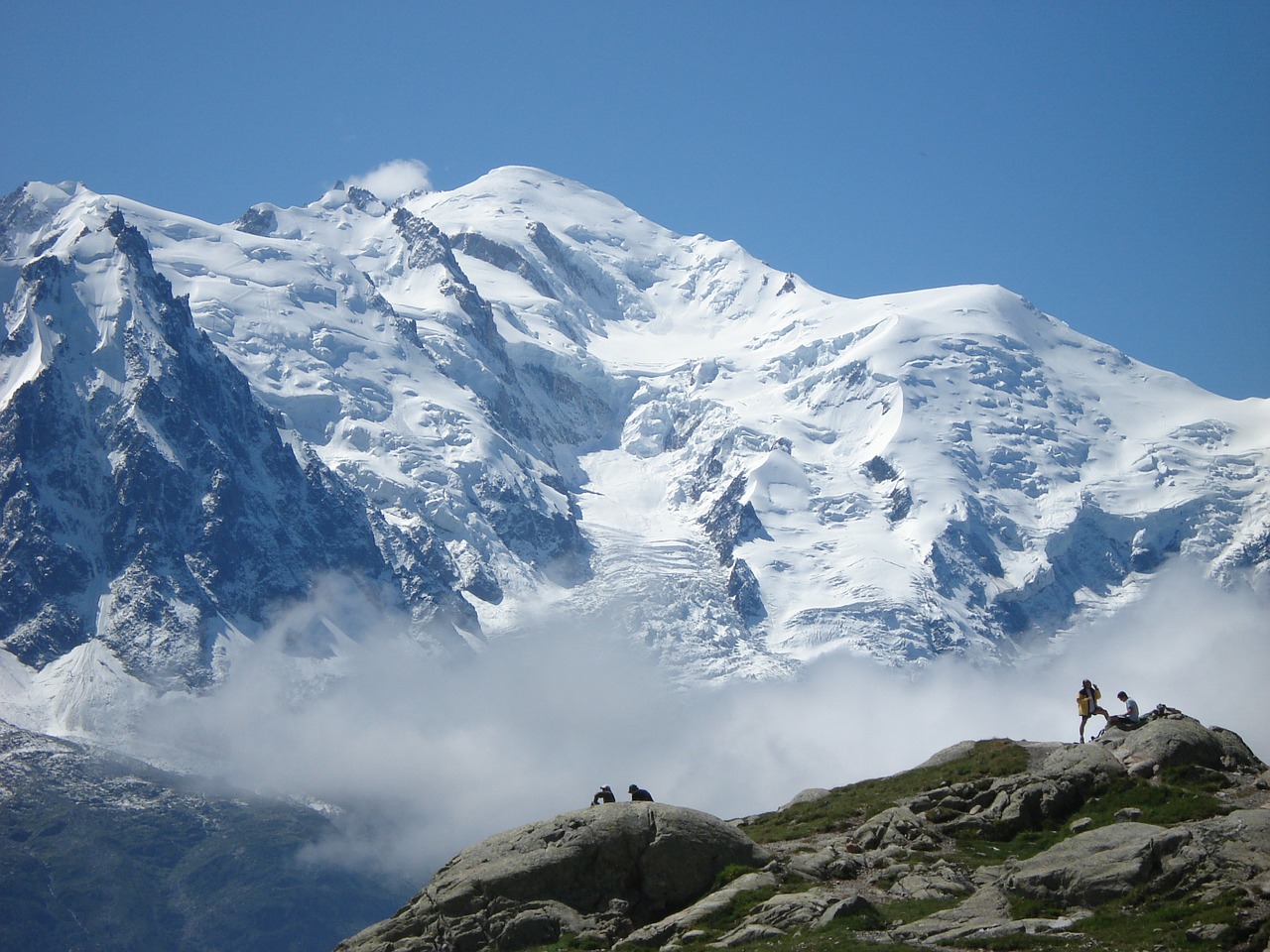 Photo: Hseugut · CC BY-SA 4.0Trek France, Italy, Switzerland
Tour du Mont Blanc
A circular alpine classic looping 170 km around the Mont Blanc massif through France, Italy and Switzerland.
- Duration
- 7 days
- Distance
- 170 km
- Difficulty
- Hard
-
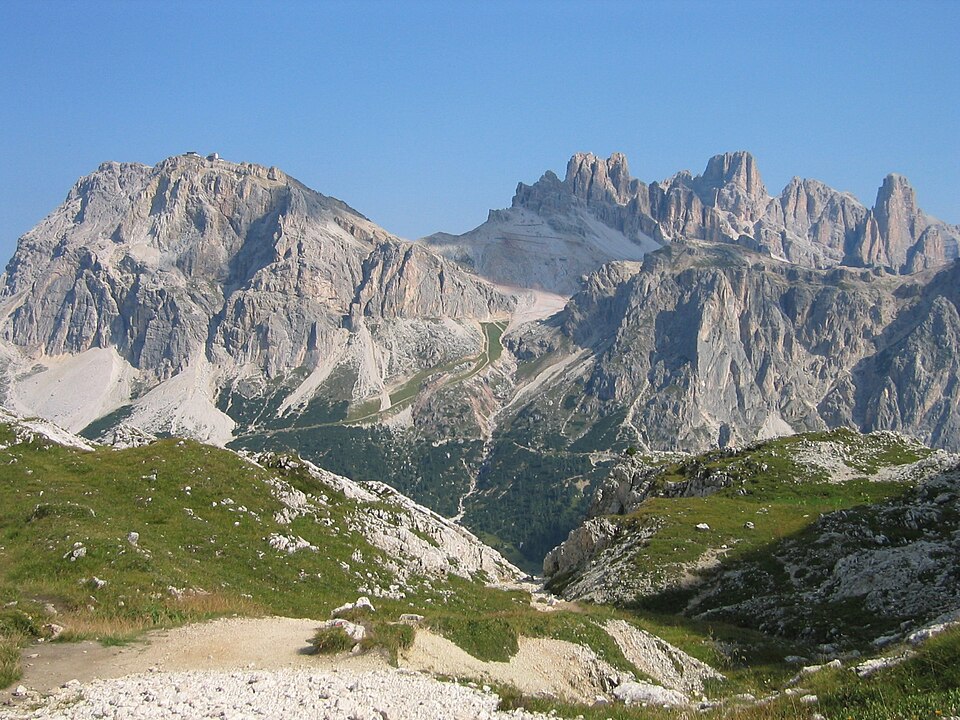 Photo: Clemens Stockner · Public domainTrek Italy
Alta Via 1 — The Classic Dolomites High Route
A six-day rifugio-to-rifugio highlights traverse of the Dolomites, from the emerald water of Lago di Braies over WWI passes and beneath the great walls of Civetta and Pelmo down towards Belluno.
- Duration
- 6 days
- Distance
- 120 km
- Difficulty
- Hard
-
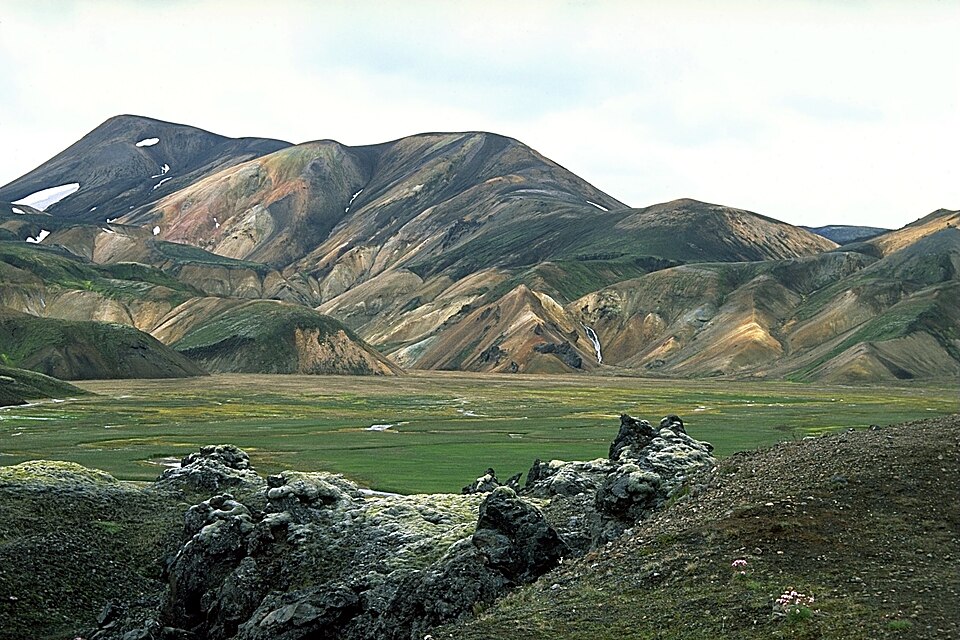 Photo: Andreas Tille · CC BY-SA 4.0Trek Iceland
The Laugavegur Trail — Landmannalaugar to Þórsmörk
Four days across Iceland's southern highlands, from the rhyolite mountains and hot springs of Landmannalaugar over an obsidian plateau and black-sand deserts to the birch woods of Þórsmörk.
- Duration
- 4 days
- Distance
- 55 km
- Difficulty
- Moderate
-
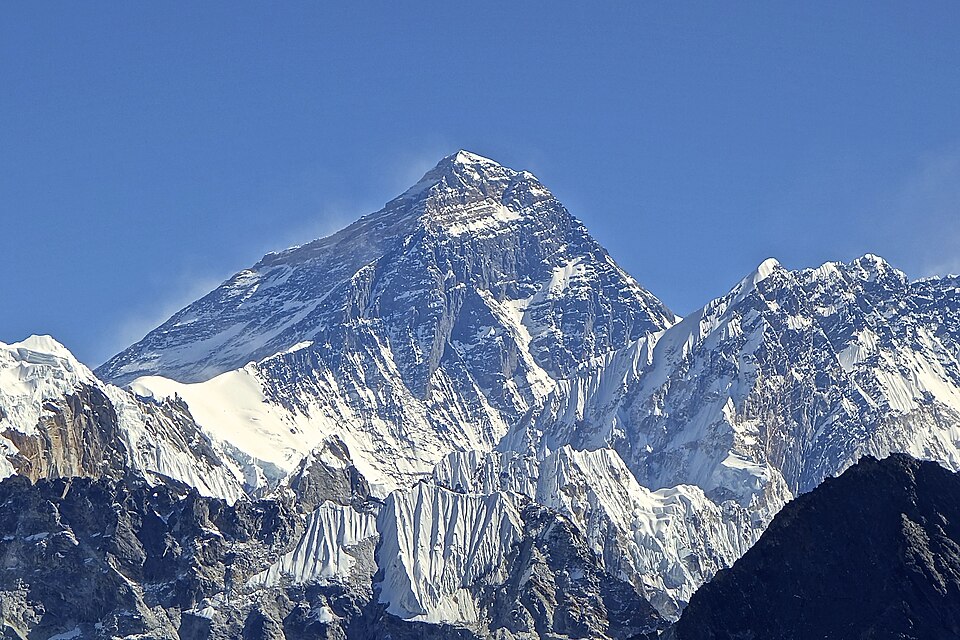 Photo: Rdevany · CC BY-SA 3.0Trek Nepal
Everest Base Camp Trek: The 8-Day Highlights
An accelerated highlights version of the classic trek through the Khumbu — from the airstrip at Lukla up the Sherpa valleys to the foot of the world's highest mountain at 5,364 m.
- Duration
- 8 days
- Distance
- 110 km
- Difficulty
- Hard
-
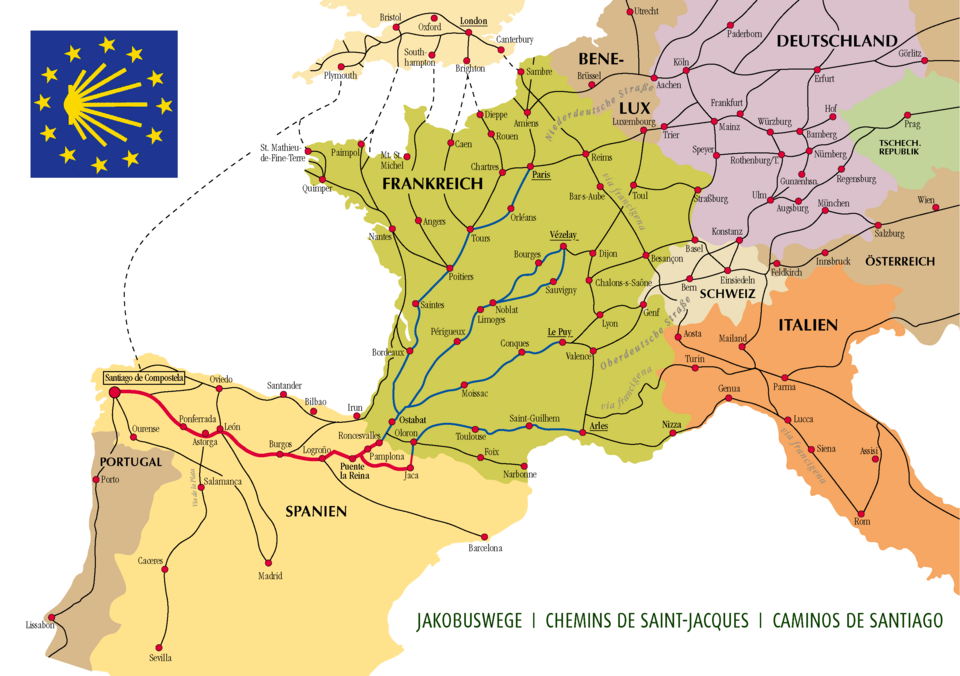 Photo: Manfred Zentgraf, Volkach, Germany · CC BY-SA 3.0Trek France & Spain
The Camino Francés: Seven Iconic Stages to Santiago
A highlights walk along the famous French Way, from crossing the Pyrenees to the Iron Cross and Galicia's green hills, ending at the cathedral of Santiago de Compostela.
- Duration
- 7 days
- Distance
- 168 km
- Difficulty
- Moderate
-
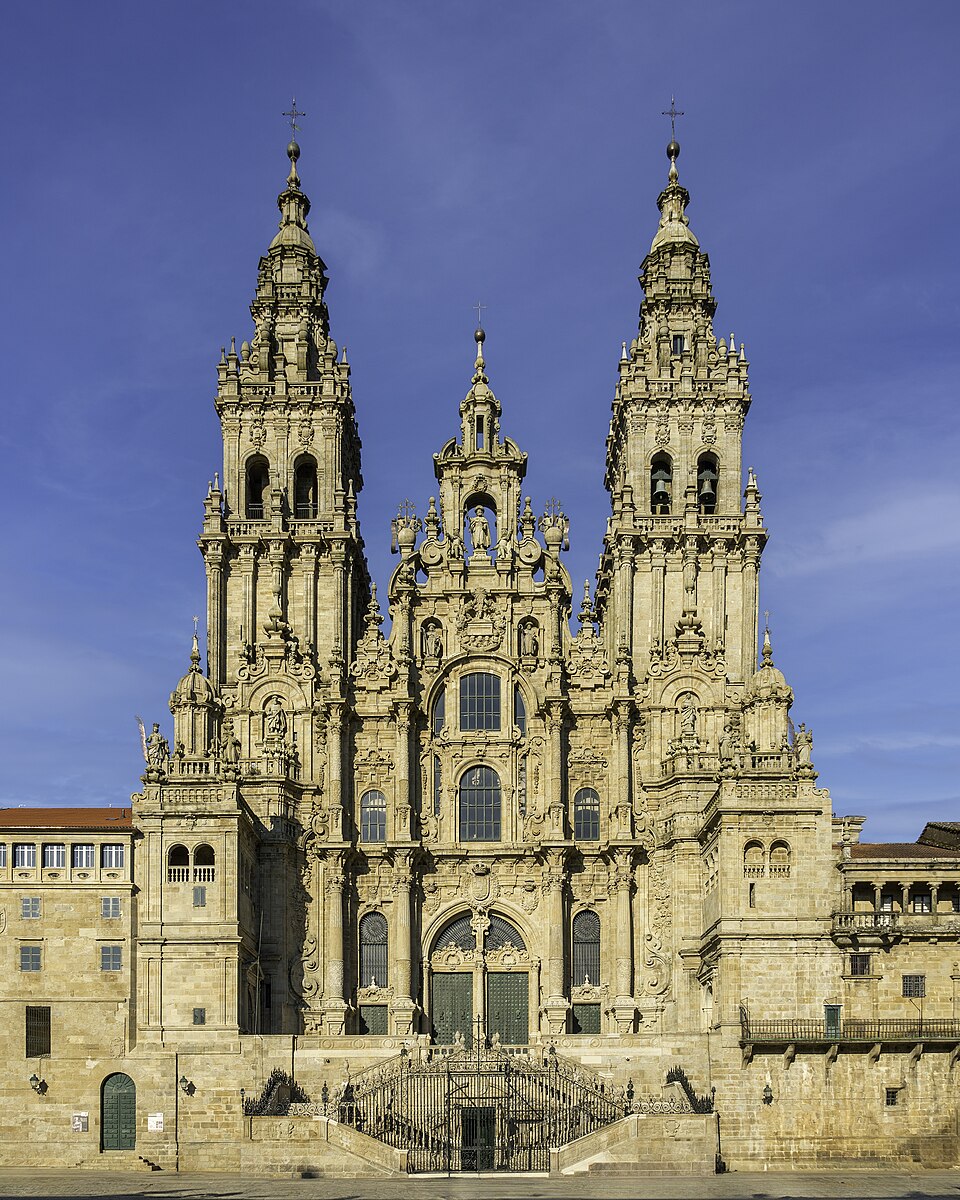 Photo: Fernando · CC BY-SA 4.0Trek Portugal & Spain
Camino Portugués — the Coastal Way Highlights
Six sampled stages of the Caminho da Costa, from Porto's boardwalks up the Atlantic shore to the Minho ferry, across into Galicia and on to the Obradoiro square at Santiago.
- Duration
- 6 days
- Distance
- 142 km
- Difficulty
- Moderate
-
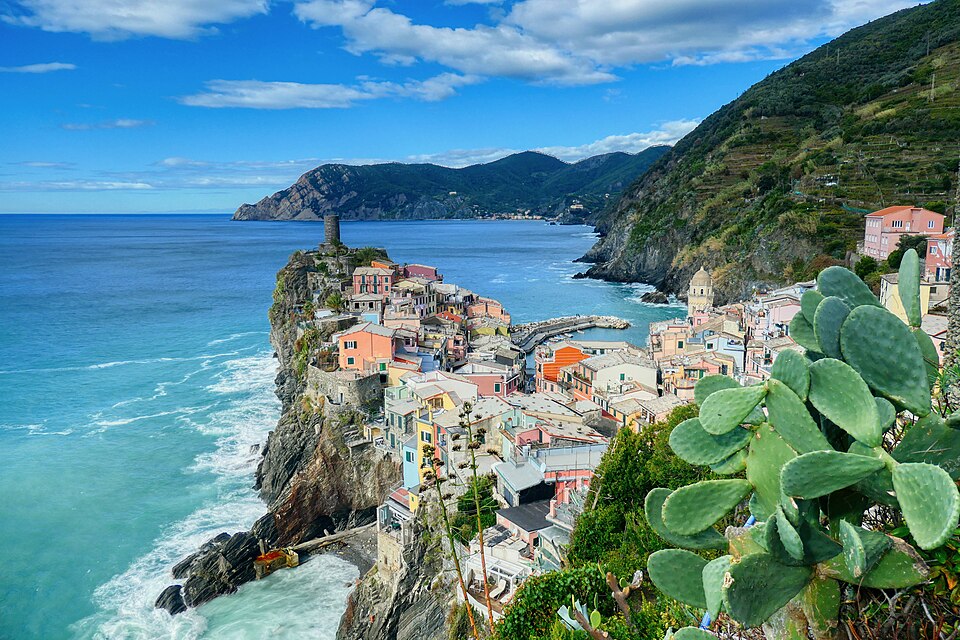 Photo: Bruno Rijsman · CC BY-SA 2.0Trek Italy
The Blue Trail (Sentiero Azzurro) — Five Villages of the Cinque Terre
A coastal footpath threading the five cliff-clinging villages of the Cinque Terre — Monterosso, Vernazza, Corniglia, Manarola and Riomaggiore — above terraced vineyards and the Ligurian Sea.
- Duration
- 1 day
- Distance
- 12 km
- Difficulty
- Moderate
-
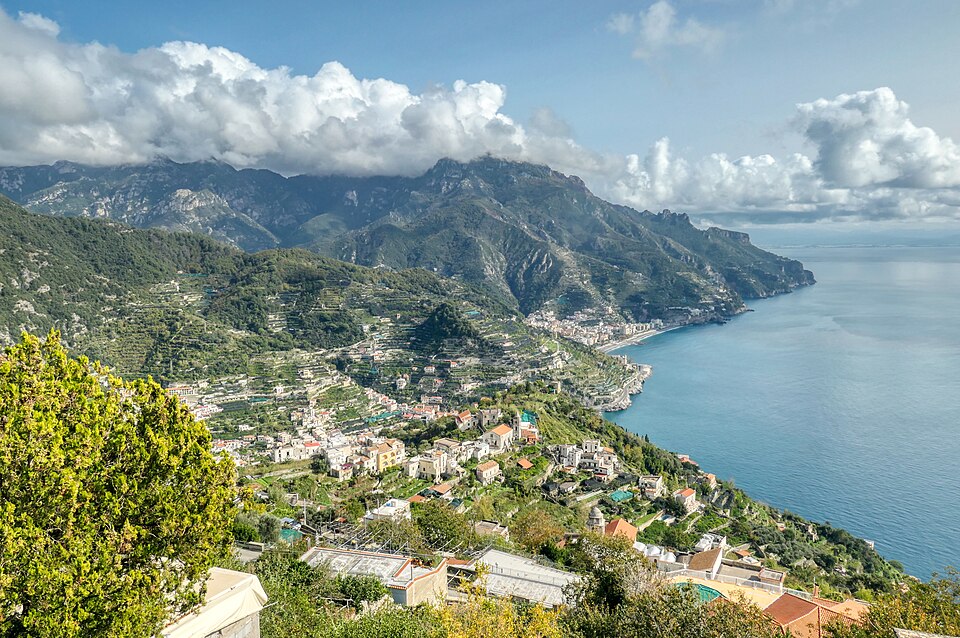 Photo: Bruno Rijsman · CC BY-SA 2.0Trek Italy
The Path of the Gods — Sentiero degli Dei
A single unforgettable day walking a cliff-top balcony high above the Amalfi Coast, from Bomerano through Nocelle and down the old stone stairs into Positano.
- Duration
- 1 day
- Distance
- 9 km
- Difficulty
- Moderate