Tour du Mont Blanc
Practical, route-specific tips and insights for Tour du Mont Blanc.
Packing list
Filled in for this route from the kit a walk like this needs and the gear its tips mention. Tick things off as you pack.
Best time to go
-
Aim for the mid-June to mid-September window
The passes are reliably clear of snow only in high summer. July and August are the busiest weeks on the trail — if you can, walk in late June or the first half of September for the same weather with fewer people.
Sleeping & booking
-
Book the whole refuge chain before you fly
Most refuges take bookings through the official montourdumontblanc.com platform, and availability for the next summer opens in autumn — the popular huts are gone within days. Reserve every night — Les Contamines, Les Chapieux, Courmayeur, Rifugio Bonatti, La Fouly, Trient — before committing to dates, not after.
-
You don't need camping gear
The route runs refuge-to-refuge with village guesthouses in between, so a tent, stove and sleeping mat are dead weight. A light sleeping-bag liner and a small pack make the long ascents far more pleasant.
-
Book half-board and stop carrying dinners
Reserve demi-pension — dinner, bed and breakfast — at every refuge and your food logistics mostly disappear. Most huts will also sell you a packed lunch for the next day, so all you actually carry is snacks and water. It costs more than self-catering, but it saves a kilo or two of food weight on every single climb.
Getting there
-
Start from the Chamonix valley
The classic anti-clockwise loop starts and finishes in the Chamonix valley at Les Houches, which is easy to reach from Geneva. Finishing back in Chamonix means no point-to-point transfer logistics at the end.
-
Use the shuttles and lifts to skip the tarmac
The loop has a few dull road stretches, and locals don’t walk them either. Les Contamines has historically run a free summer shuttle to Notre-Dame de la Gorge, and buses and cable cars around Chamonix, Courmayeur and the Val Ferret let you trim road walking or shorten a stage. Skipping pavement isn’t cheating — it buys you energy for the passes.
Safety
-
Use the valley bail-outs when weather turns
Mountain weather here changes fast, and the daily ascents are long. The loop touches valley towns and cable cars at several points — there’s no shame in shortening a hard stage or sitting out a storm in Courmayeur or La Fouly.
Gear & packing
-
Pack for four seasons above 2,000 m
Even in August you can meet snow patches, cold wind and strong sun in the same day. Waterproofs, warm layers, sun protection and poles for the long descents cover most of what the TMB throws at you.
Local insights
-
Courmayeur is the natural mid-route pause
Day 3 ends in Courmayeur, the Italian town at the loop’s halfway feel — a good place for a rest day, a resupply and a proper meal before the quieter Swiss stages.
-
Three countries, one loop
The TMB crosses France, Italy and Switzerland in a single circuit, and refuges in the remote sections — Les Chapieux is the classic example — take cash only. Carry euros and some Swiss francs; ATMs exist in Chamonix, Les Contamines, Courmayeur, La Fouly and Champex-Lac. And remember the equivalent of two Everests of ascent is spread over the week, so pace the early days.
-
Fenêtre d'Arpette or Bovine — let the sky decide
From Champex-Lac to Trient you have two options: the Fenêtre d’Arpette (2,665 m) is the wildest, most dramatic day on the whole loop, but it’s steep, rough and no place to be in rain, snow or storms. The Bovine path is the gentler default with big Rhône valley views. Decide the evening before based on the forecast — and if you take the Fenêtre, start early enough to be over the pass by midday.
You might also like
-
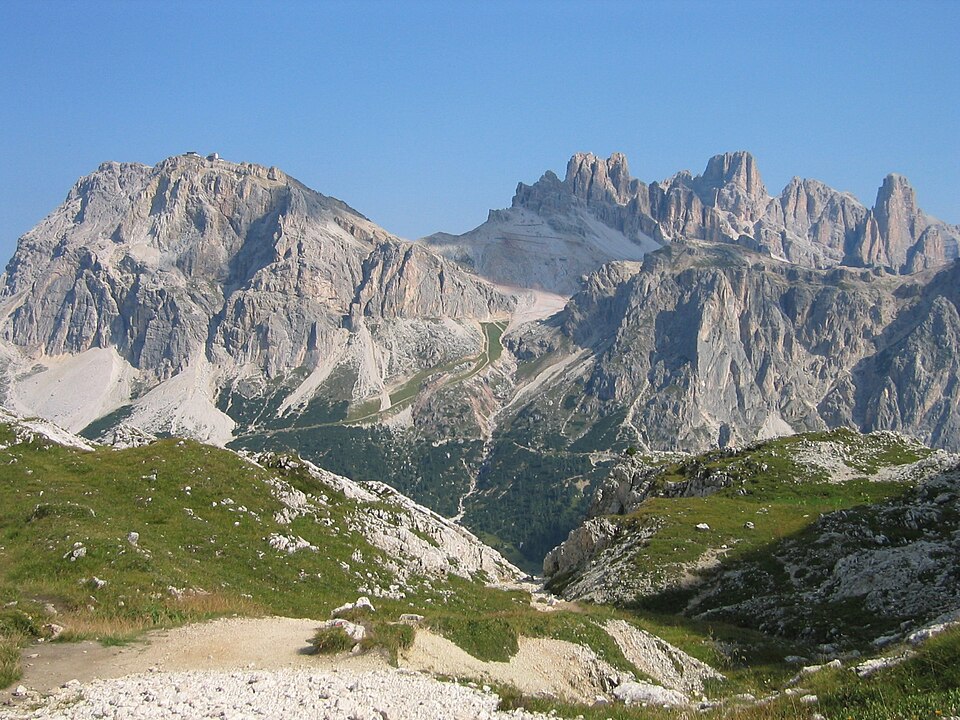 Photo: Clemens Stockner · Public domainTrek Italy
Alta Via 1 — The Classic Dolomites High Route
A six-day rifugio-to-rifugio highlights traverse of the Dolomites, from the emerald water of Lago di Braies over WWI passes and beneath the great walls of Civetta and Pelmo down towards Belluno.
- Duration
- 6 days
- Distance
- 120 km
- Difficulty
- Hard
-
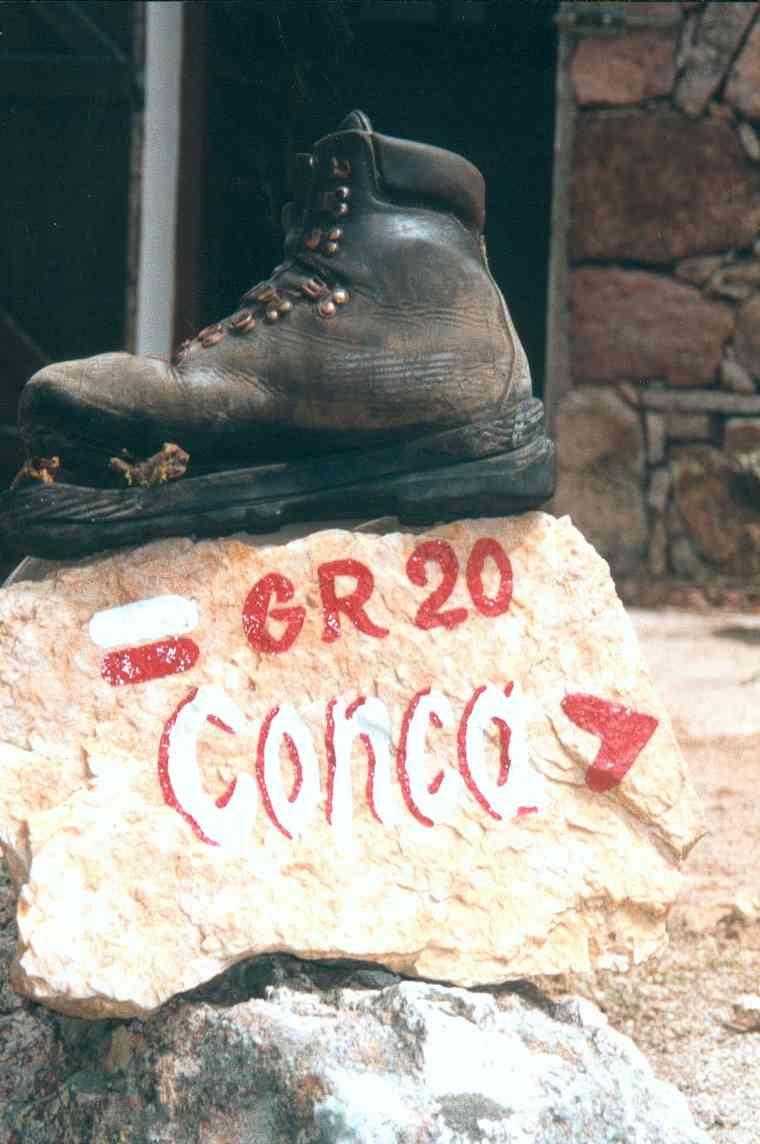 Photo: User:Tcherome · Public domainTrek France
GR20 North — Calenzana to Vizzavona
Six demanding days across the granite spine of northern Corsica, from the maquis above Calenzana over the Monte Cinto massif and past Lac de Nino to the forests of Vizzavona.
- Duration
- 6 days
- Distance
- 98 km
- Difficulty
- Expert
-
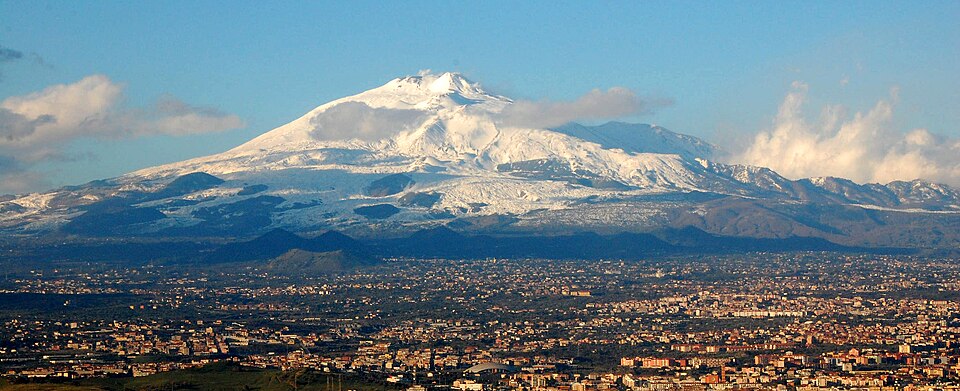 Photo: BenAveling · CC BY-SA 4.0Trek Italy
Mount Etna from the South — Rifugio Sapienza to the Summit Craters
A single big day on Europe's most active volcano: lava cones at the road head, a cable car into the ash desert, and a guided walk to the steaming summit craters above the Valle del Bove.
- Duration
- 1 day
- Distance
- 12 km
- Difficulty
- Hard
-
 Photo: Manfred Zentgraf, Volkach, Germany · CC BY-SA 3.0Trek France & Spain
The Camino Francés: Seven Iconic Stages to Santiago
A highlights walk along the famous French Way, from crossing the Pyrenees to the Iron Cross and Galicia's green hills, ending at the cathedral of Santiago de Compostela.
- Duration
- 7 days
- Distance
- 168 km
- Difficulty
- Moderate