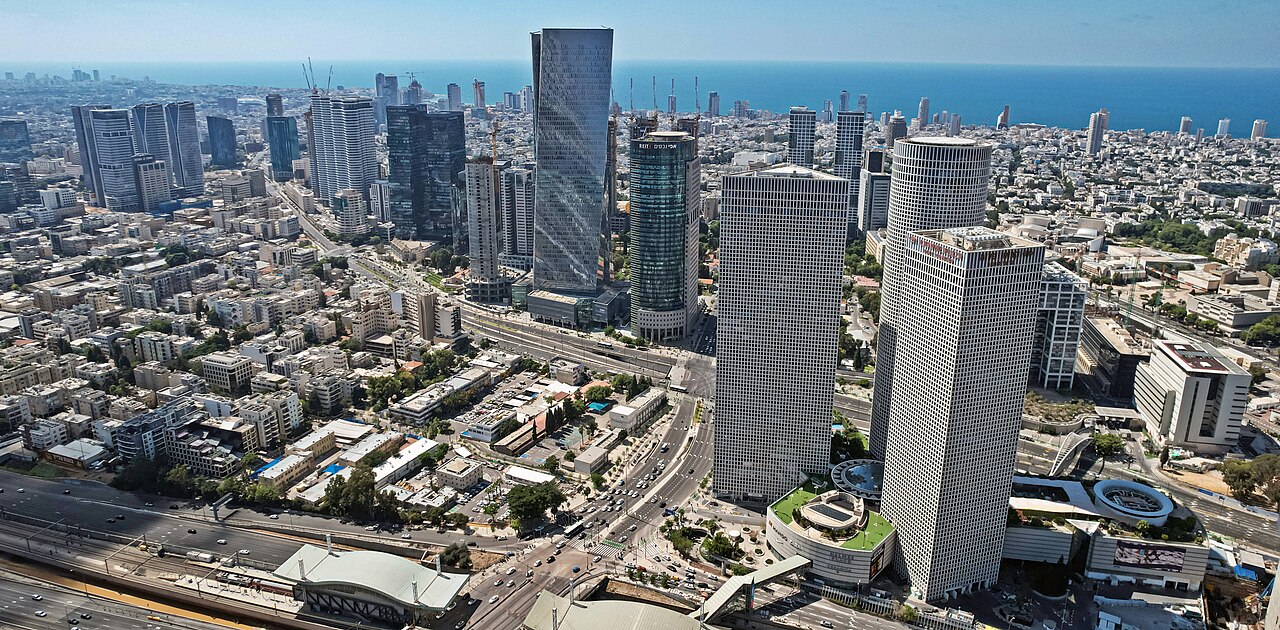
A continuous seaside line from the ancient port of Jaffa, through the first Jewish neighbourhood and the Bauhaus boulevards, to the market and the reborn northern harbour.
Segments
-
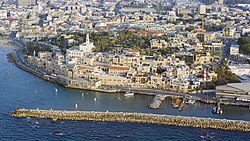 Old Jaffa: port, clock tower & flea market
Jaffa Clock Tower → Old Jaffa port
Stone alleys and steps
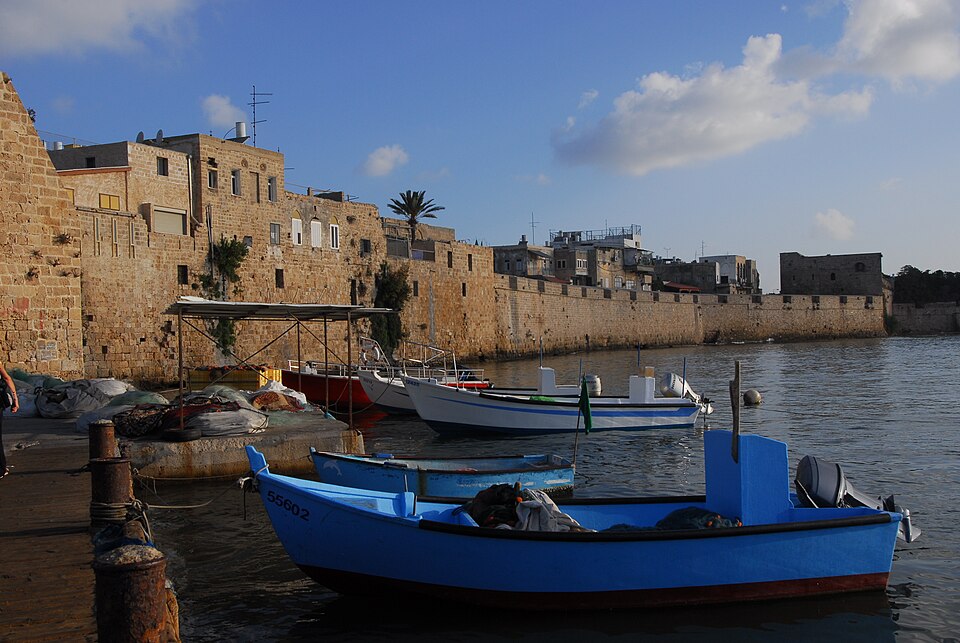
Begin at the Ottoman clock tower of about 1903 and dive into the Shuk HaPishpeshim, Jaffa's flea market of antiques and cafés. Climb the restored stone lanes to the hilltop of Old Jaffa for the view back over the whole coastline, then descend to the ancient fishing port. Allow about 90 minutes.
About this place
Jaffa, also called Japho, Joppa or Joppe in English, is an ancient Levantine port city which is part of Tel Aviv-Yafo, Israel, located in its southern part. The city sits atop a naturally elevated outcrop on the Mediterranean coastline.
Read more on Wikipedia Photo: Godot13 · CC BY-SA 4.0 -
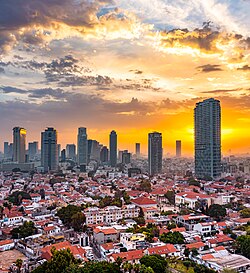 Along the seafront to Neve Tzedek
Old Jaffa port → Neve Tzedek
Seaside promenade
Follow the Tel Aviv–Jaffa promenade north with the sea on your left, then turn inland into Neve Tzedek, the first Jewish neighbourhood built outside Jaffa in 1887. Its low houses, boutiques and the Suzanne Dellal dance centre make it the prettiest quarter in the city. About 45 minutes with a wander.
About this place
Neve Tzedek is a neighborhood in southwestern Tel Aviv, Israel. It was the first Jewish neighborhood to be built outside the old city of the ancient port of Jaffa. It was founded in 1883 by a group of 48 Jewish families led by Shimon Rokach, a Jerusalemite pioneer of agriculture, and Aharon Chelouche, a landowner and businessman from Jaffa. At the beginning of the 20th century, Neve Tzedek was the cultural center of the developing Tel Aviv, where many prominent representatives of the Jewish creative intelligentsia lived and worked, including the future Nobel laureate Shmuel Yosef Agnon and the artist Nachum Gutman, who described life in Neve Tzedek in their autobiographical works.
Read more on Wikipedia Photo: Giladtop · CC BY-SA 4.0 -
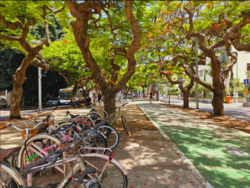 Rothschild Boulevard & the White City
Neve Tzedek → Rothschild Boulevard
Leafy boulevard
Stroll the shaded central path of Rothschild Boulevard, lined with cafés and with the world's largest concentration of 1930s Bauhaus and International Style buildings — the White City, a UNESCO World Heritage Site. Independence Hall, where Israel was declared in 1948, stands at number 16. About an hour.
About this place
Rothschild Boulevard is one of the principal streets in the center of Tel Aviv, Israel, beginning in Neve Tzedek at its southeastern edge and running north to Habima Theatre. It is one of the most expensive streets in the city, being among one of its main tourist attractions. It features a wide, central strip lined with Ficus trees, as well as pedestrian and bike lanes.
Read more on Wikipedia Photo: Homerethegreat · CC BY 4.0 -
 White City backstreets
Rothschild Boulevard → Bialik Square
City streets
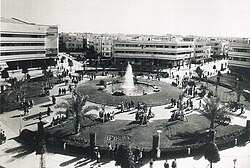
Wind north through the heart of the White City to Bialik Square, a cluster of beautifully restored Bauhaus houses around the former city hall and the home of the national poet Chaim Nachman Bialik. A quiet, architectural counterpoint before the market. About 40 minutes.
About this place
The White City is a collection of over 4,000 buildings in Tel Aviv from the 1930s built in a unique form of the International Style, commonly known as Bauhaus, by German Jewish architects who fled to the British Mandate of Palestine from Germany after the rise to power of the Nazis. Tel Aviv has the largest number of buildings in the Bauhaus/International Style of any city in the world. Preservation, documentation, and exhibitions have brought attention to Tel Aviv's collection of 1930s architecture. In 2003, the United Nations Educational, Scientific and Cultural Organization (UNESCO) proclaimed Tel Aviv's White City a World Cultural Heritage site, as "an outstanding example of new town planning and architecture in the early 20th century." The citation recognized the unique adaptation of modern international architectural trends to the cultural, climatic, and local traditions of the city. Bauhaus Center Tel Aviv organizes regular architectural tours of the city.
Read more on Wikipedia Photo: Unknown authorUnknown author · Public domain -
 Carmel Market & Sheinkin
Bialik Square → Carmel Market
Crowded market lanes
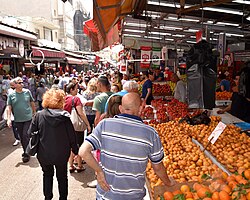
Plunge into the Carmel Market, the city's largest and loudest, where vendors stack spices, fruit, olives and street food from morning until late afternoon. This is the place to eat lunch on your feet. About 45 minutes, longer if you graze.
About this place
Carmel Market is an outdoor marketplace in Tel Aviv, Israel.
Read more on Wikipedia Photo: Bahnfrend · CC BY-SA 4.0 -
 Promenade to the Tel Aviv Port
Carmel Market → Tel Aviv Port
Beachfront promenade
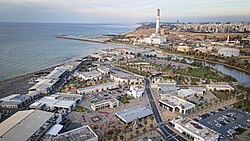
Return to the seafront and walk north past the beaches to the Tel Aviv Port, a 1930s harbour reinvented as a boardwalk of restaurants, bars and a weekend farmers' market. Time it for sunset over the water to end the day. About an hour.
About this place
The Tel Aviv Port is a commercial and entertainment district in northwest Tel Aviv, Israel along the Mediterranean Sea.
Read more on Wikipedia Photo: דוידי ורדי · CC BY 2.5
Comments
Sign in to join the conversation.
No comments yet — be the first.