Grand Canyon Rim-to-Rim — North Kaibab to Bright Angel
Practical, route-specific tips and insights for Grand Canyon Rim-to-Rim — North Kaibab to Bright Angel.
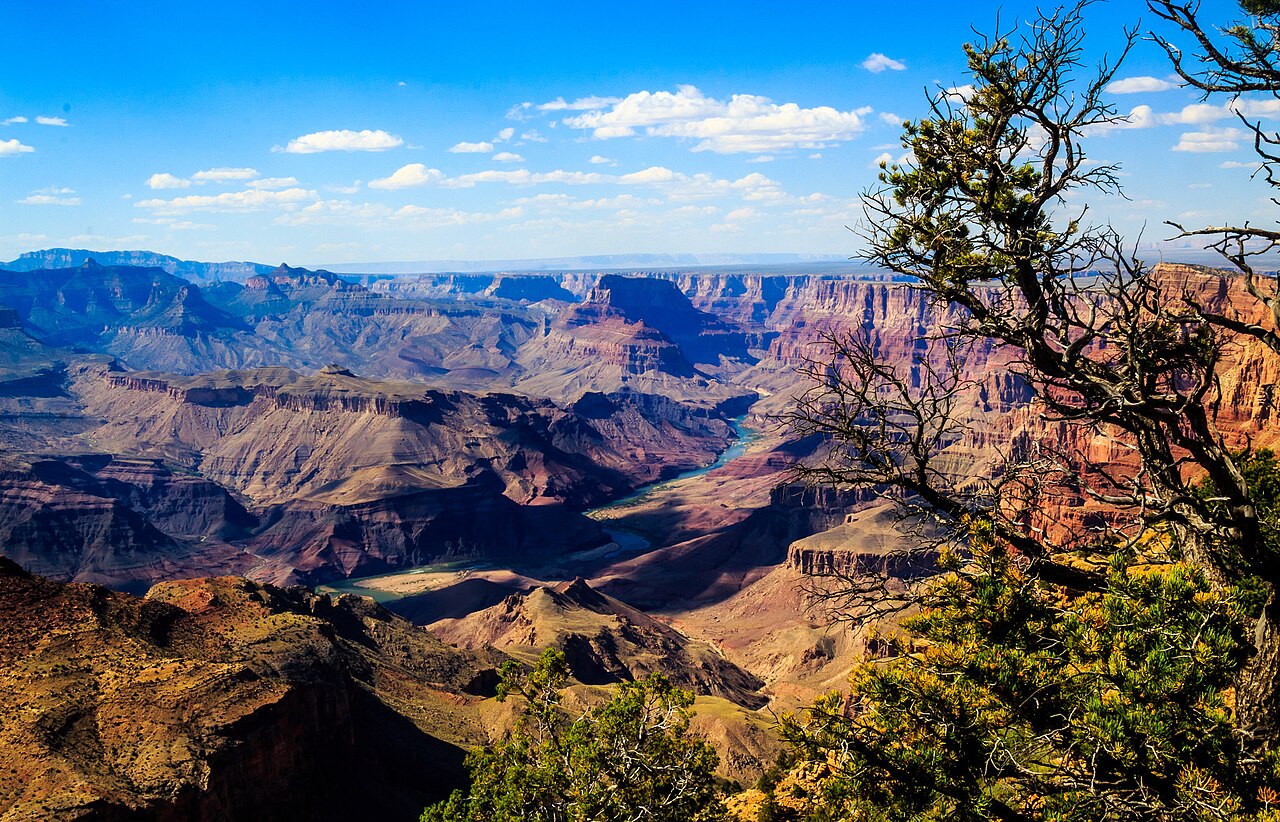
Packing list
Filled in for this route from the kit a walk like this needs and the gear its tips mention. Tick things off as you pack.
Permits & fees
-
Permits and Phantom Ranch are the bottleneck
Overnight trips need an NPS backcountry permit, and beds at Phantom Ranch are allotted by lottery run in the 15th month before your stay — with unclaimed spots released to general sale about a year out, which is the second chance most people don’t know about. Phantom Ranch capacity has also been reduced during renovation work, so check the concessioner’s current lottery rules and have Bright Angel Campground as your fallback plan.
Water & food
-
Verify which water stations are on
Carry and drink far more water than feels reasonable, and refill at every reliable source. The corridor taps run off the ageing Transcanyon Waterline, which breaks routinely and is being replaced — so stations get switched on and off through the season, and the park posts a live water status page. Check it the day you start, plan the day around the working taps, and carry a filter or treatment as the backstop.
Safety
-
Don't attempt it in one day in summer
The Park Service actively warns against single-day rim-to-rim crossings in summer heat: the inner canyon is brutally hot, shade is scarce and the climb out gains well over a thousand metres. This three-day itinerary exists for a reason.
-
Down is optional, up is mandatory — turn around on time
Most rescues involve strong hikers who descended fast, felt fine at the river, and had nothing left for the 1,400 m climb out. The canyon inverts normal mountain logic: the easy half comes first. Set a hard turnaround time on any day hike below the rim and treat feeling good at the bottom as meaningless data.
Getting there
-
Solve the shuttle before anything else
The rims are 16 km apart on foot but the drive between them takes around four and a half hours. The Trans-Canyon Shuttle has historically run between the rims during the North Rim season and fills well ahead — book it (or stage a car at each end) before locking any other part of the plan, because the whole itinerary hangs on it.
Local insights
-
North to south is the smart direction
Starting from the higher North Rim puts the biggest descent first and finishes at the far more accessible South Rim — better for logistics, transport and tired legs alike.
-
Below the rim, pre-dawn starts are the culture
The Box — the narrow stretch of North Kaibab above Phantom Ranch — is a heat trap where canyon walls radiate stored heat all afternoon. The park’s standing advice is to avoid hiking between mid-morning and late afternoon in summer, and experienced canyon hikers take that literally: walking by headlamp at 4 am, long siesta at Havasupai Gardens or Cottonwood, finishing in the evening cool.
-
Mail a postcard from the bottom — by mule
The Phantom Ranch canteen sells postcards that leave the canyon in the mule train’s saddlebags, stamped to say they were mailed by mule from the bottom of the Grand Canyon. It’s the cheapest genuinely unique souvenir in the park, and the canteen’s lemonade after the descent is a rite of passage in its own right.
Best time to go
-
Late spring or early autumn, within the North Rim season
The North Rim and its facilities are open roughly mid-May to mid-October; outside that window the North Kaibab trailhead is snowbound. Within the season, aim for the cooler ends of it rather than midsummer.
-
The North Rim isn't fully back — check operations before you plan
The 2025 Dragon Bravo Fire burned the historic Grand Canyon Lodge and much of the North Rim’s forest, and the rim has been reopening in stages since, with reduced services and no in-park lodging on that side. The trails themselves came back before the amenities did. Read the park’s current North Rim operations page before you build an itinerary that assumes services at the top.
Gear & packing
-
Pack for two climates in one hike
You can leave a chilly forested rim at 2,500 m and reach desert heat at the river the same day. Sun protection, electrolytes and layers all belong in the pack — often all in use within a few hours.
You might also like
-
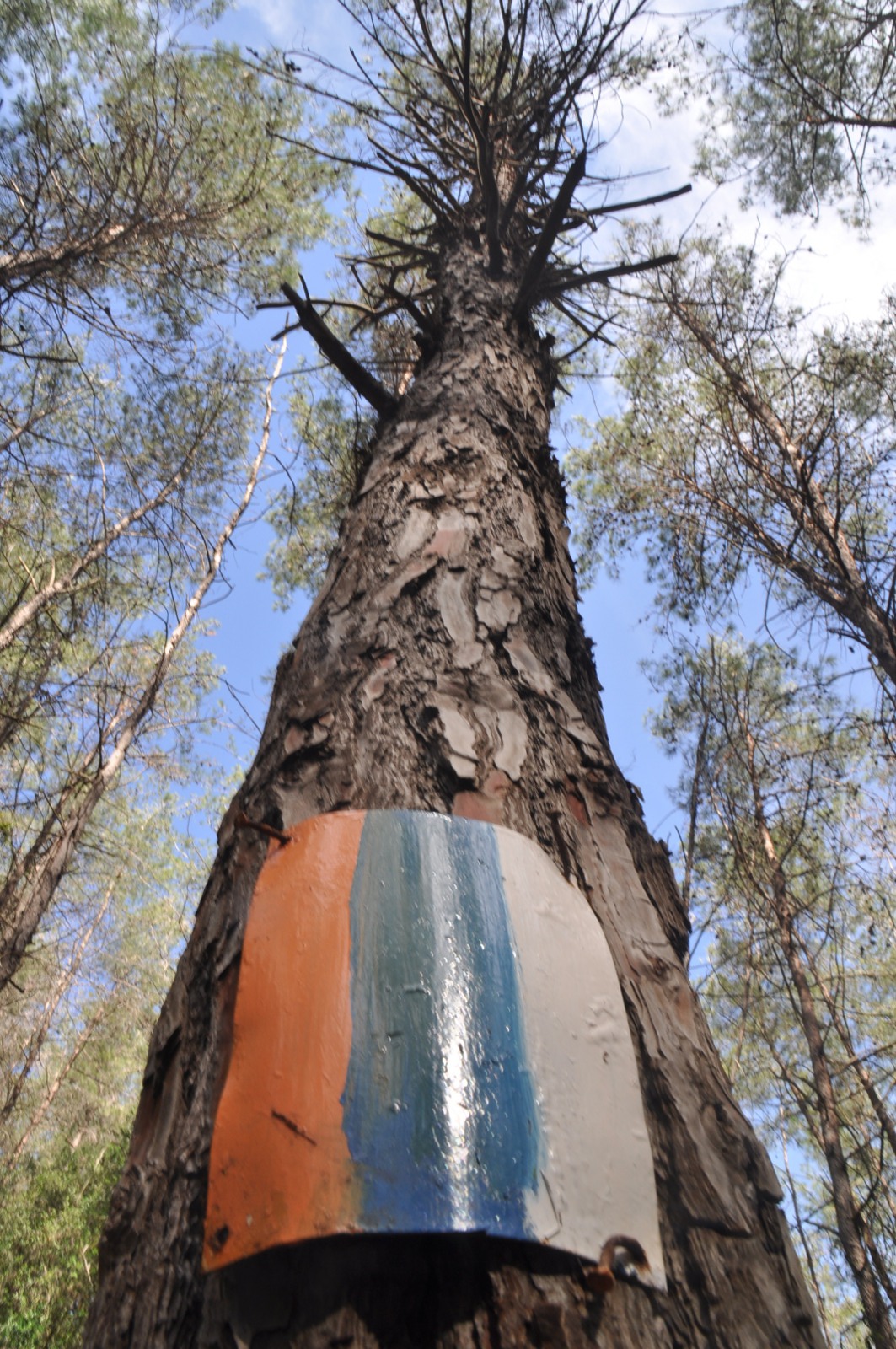 Photo: אורן פלס · CC BY 2.5Trek Israel
Israel National Trail: Five-Day Highlights
The most beautiful five days of the 1,100 km Israel National Trail — the Galilee ridges, Mount Carmel, the Wilderness of Zin, the Ramon Crater and the Eilat Mountains down to the Red Sea.
- Duration
- 5 days
- Distance
- 92 km
- Difficulty
- Hard
-
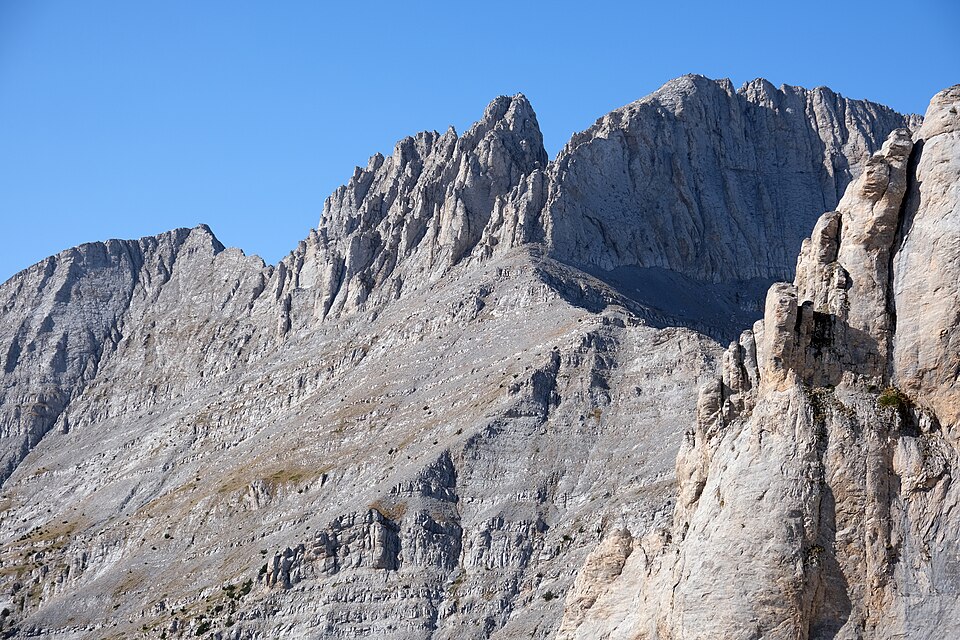 Photo: kallerna · CC BY-SA 4.0Trek Greece
Mount Olympus — Prionia to Mytikas, the Home of the Gods
Two days from the Prionia trailhead through beech forest to Refuge A, then up to Skala and across the exposed Kaki Skala scramble to Mytikas (2,918 m), the highest point in Greece.
- Duration
- 2 days
- Distance
- 18 km
- Difficulty
- Hard
-
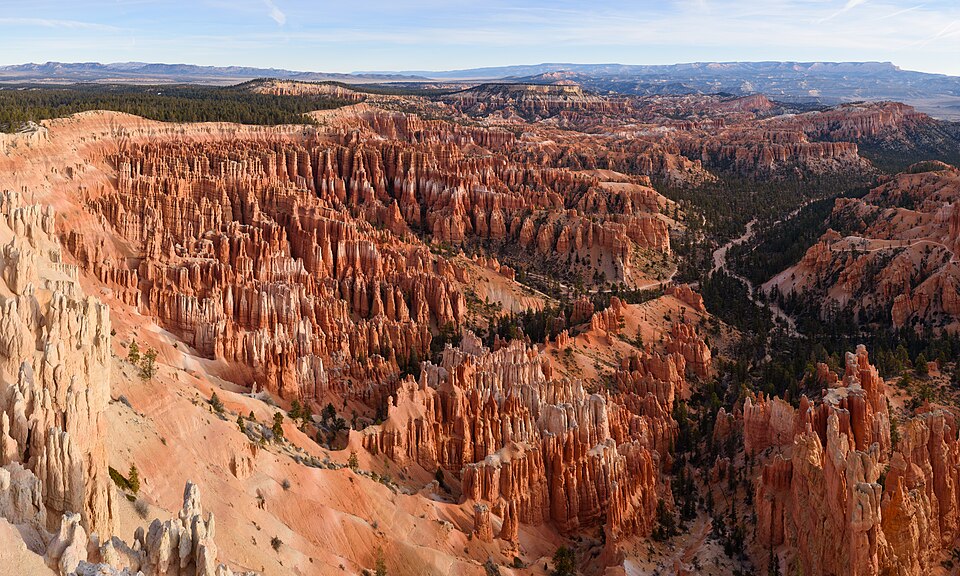 Photo: King of Hearts · CC BY-SA 4.0Trek USA
Navajo Loop & Queen's Garden — The Bryce Amphitheater Circuit
The classic half-day combination: drop off the rim at Sunset Point through the Wall Street switchbacks, cross the hoodoo floor of the Bryce Amphitheater, and climb back out through Queen's Garden to Sunrise Point.
- Duration
- 1 day
- Distance
- 4.6 km
- Difficulty
- Moderate
-
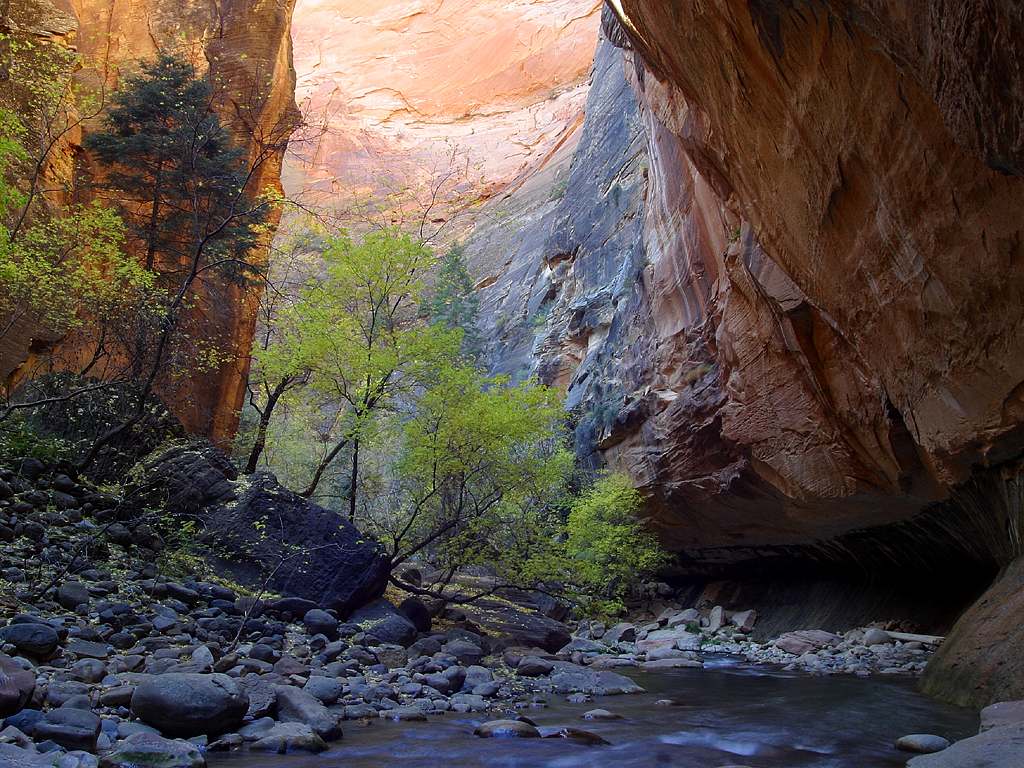 Photo: Jon Sullivan · Public domainTrek USA
The Narrows — Bottom-Up Day Hike
A one-day out-and-back wade up the Virgin River from the Temple of Sinawava, through the towering Wall Street slot canyon to Big Spring and back.
- Duration
- 1 day
- Distance
- 14 km
- Difficulty
- Moderate