Everest Base Camp Trek: The 8-Day Highlights
Practical, route-specific tips and insights for Everest Base Camp Trek: The 8-Day Highlights.
Packing list
Filled in for this route from the kit a walk like this needs and the gear its tips mention. Tick things off as you pack.
Best time to go
-
Pick the pre- or post-monsoon window
The trek works in spring (March–May) or autumn (late September–November). Autumn brings the clearest post-monsoon skies; spring adds rhododendron colour lower down. Avoid the monsoon months in between.
Permits & fees
-
Two permits, no TIMS — and buy the local one in the Khumbu
You need the Sagarmatha National Park permit (available in Kathmandu or at the Monjo gate) and the Khumbu Pasang Lhamu Rural Municipality permit — that one is only issued in the region itself, at Lukla or Monjo, so don’t hunt for it in Kathmandu. Since 2023 the Khumbu requires no TIMS card, and the municipality also opted out of Nepal’s guide mandate: a guide is strongly recommended, but solo trekking has remained legal here — confirm the current rule when booking.
Safety
-
This 8-day version leaves little acclimatisation margin
The classic itinerary adds rest days at Namche and Dingboche; this compressed one doesn’t. Build in a spare day if you possibly can, walk deliberately slowly, and never ascend with altitude-sickness symptoms — descending is the only cure.
-
Climb high on your acclimatisation days — don't nap
If you add rest days at Namche or Dingboche, the worst thing you can do is lie in the lodge. From Namche, walk the classic loop up to the Everest View Hotel and Khumjung village; from Dingboche, climb the Nangkartshang ridge. Climbing high and sleeping low is what actually drives acclimatisation — a nap doesn’t.
Getting there
-
The Lukla flight is the crux of the logistics
The trek starts at the mountain airstrip at Lukla (2,860 m), reached by a short, weather-dependent flight — and in recent high seasons most Lukla flights have departed from Ramechhap (Manthali), a 4–5 hour drive east of Kathmandu, not from Kathmandu itself, so confirm your departure airport before planning the night before. Flights get cancelled — leave buffer days on both ends. A helicopter out of Gorak Shep or Pheriche can save the return days if the budget allows.
Local insights
-
The famous Everest view is from Kala Patthar, not Base Camp
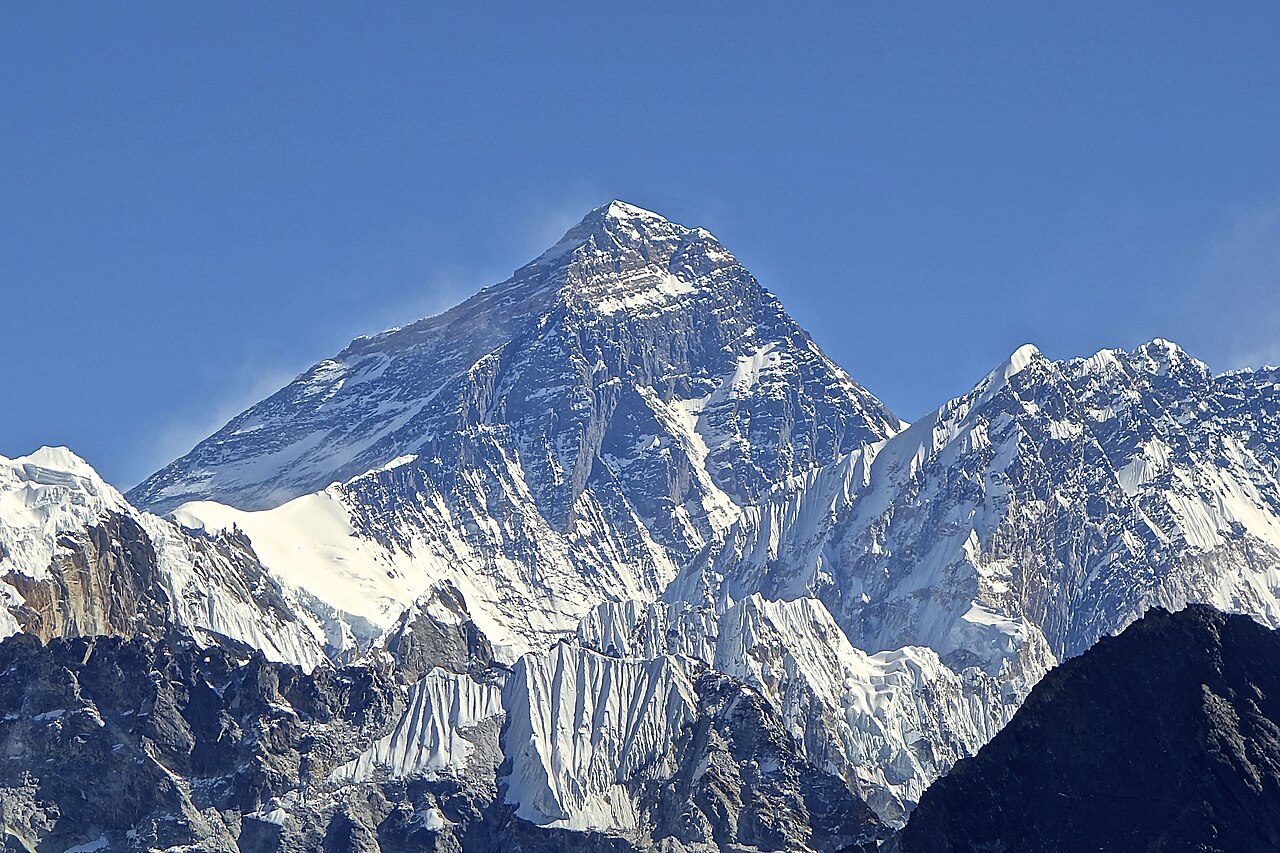
Everest’s summit is hidden from Base Camp itself. The pre-dawn walk up Kala Patthar (5,545 m) on day 7 is where the classic panorama lives — don’t skip it to save energy.
-
Base Camp is a city in spring and a moraine in autumn
In April and May, Base Camp is a working expedition town — hundreds of tents staging for the summit season. In autumn it’s an empty sweep of glacier and prayer flags. Neither is better, but knowing which one you’re walking towards sets the right expectations for the final day.
Water & food
-
Drink constantly, budget for altitude prices
At altitude you dehydrate fast without noticing. Keep drinking all day, and expect everything — water, food, charging — to get pricier the higher you go, since it all comes up on porters’ backs or yak trains.
Gear & packing
-
Pack for -10°C nights above Lobuche
Days can be warm in the sun but nights at Lobuche and Gorak Shep are properly cold in any season. A four-season sleeping bag, a real down jacket and sun protection for the thin air are the three things people most regret skimping on.
Sleeping & booking
-
The room is cheap because the dinner isn't
Teahouse economics run on an unwritten deal: the bed costs very little on the understanding that you eat dinner and breakfast where you sleep. So order your meals at your own lodge, and don’t be surprised if the room rate changes when you eat elsewhere. In high season, have your guide or lodge call ahead — the good rooms in Lobuche and Gorak Shep go first.
Smart savings
-
Purify your water instead of buying bottles
Bottled water gets dearer with every day of altitude, and the empty bottles have no way back down the mountain. Carry purification tablets or a filter and refill from lodge taps for a fraction of the cost. Some villages along the route also run safe-water refill stations — ask at your lodge.
You might also like
-
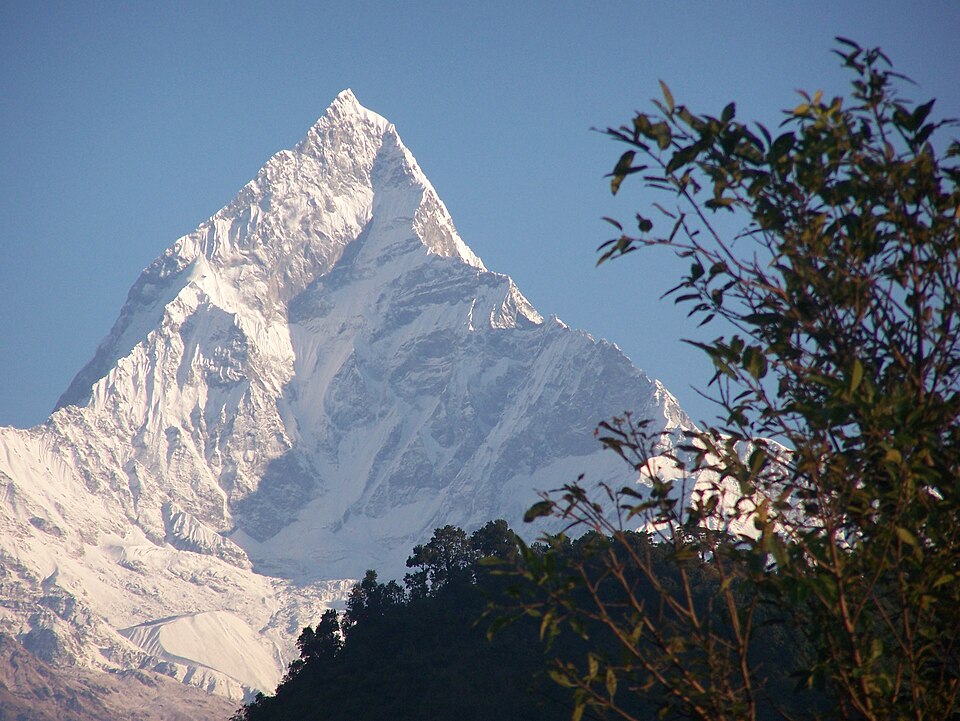 Photo: Nancy Collins · CC BY-SA 3.0Trek Nepal
Annapurna Base Camp — the Sanctuary Trek
Seven days from terraced Gurung villages up a hidden gorge into the Annapurna Sanctuary, an amphitheatre of 7,000-metre peaks closing a full circle around base camp at 4,130 m.
- Duration
- 7 days
- Distance
- 90 km
- Difficulty
- Hard
-
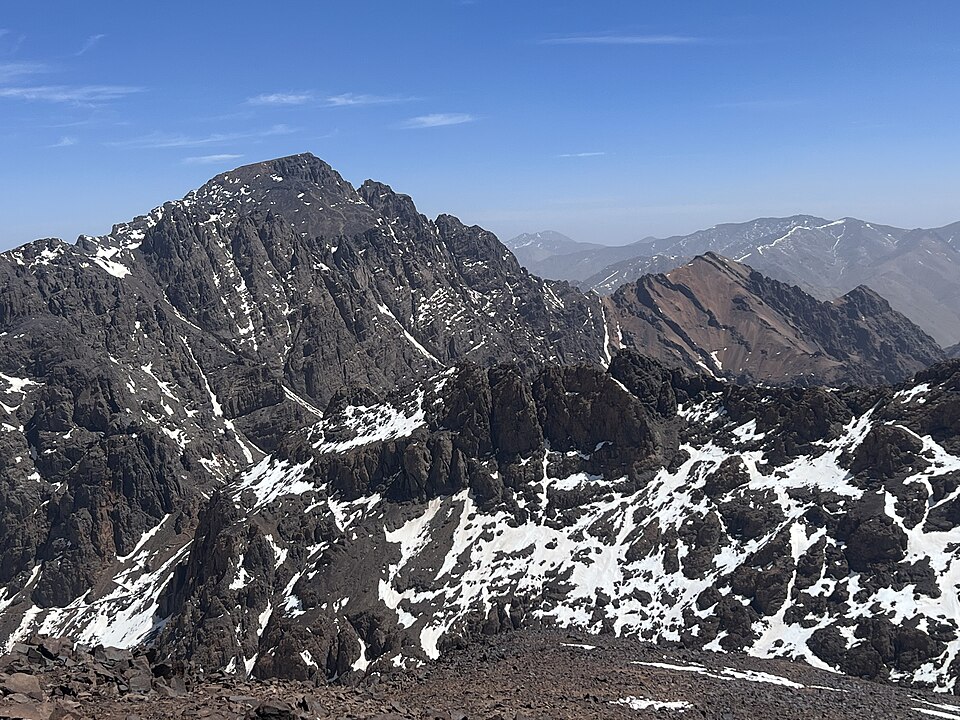 Photo: SimonKing74 · CC0Trek Morocco
Mount Toubkal — North Africa's Highest Summit
Two days from a Berber village to the roof of North Africa at 4,167 m — mule tracks, a blue-painted shrine, a mountain refuge, and a long scree climb to a summit that sees the Sahara.
- Duration
- 2 days
- Distance
- 30 km
- Difficulty
- Hard
-
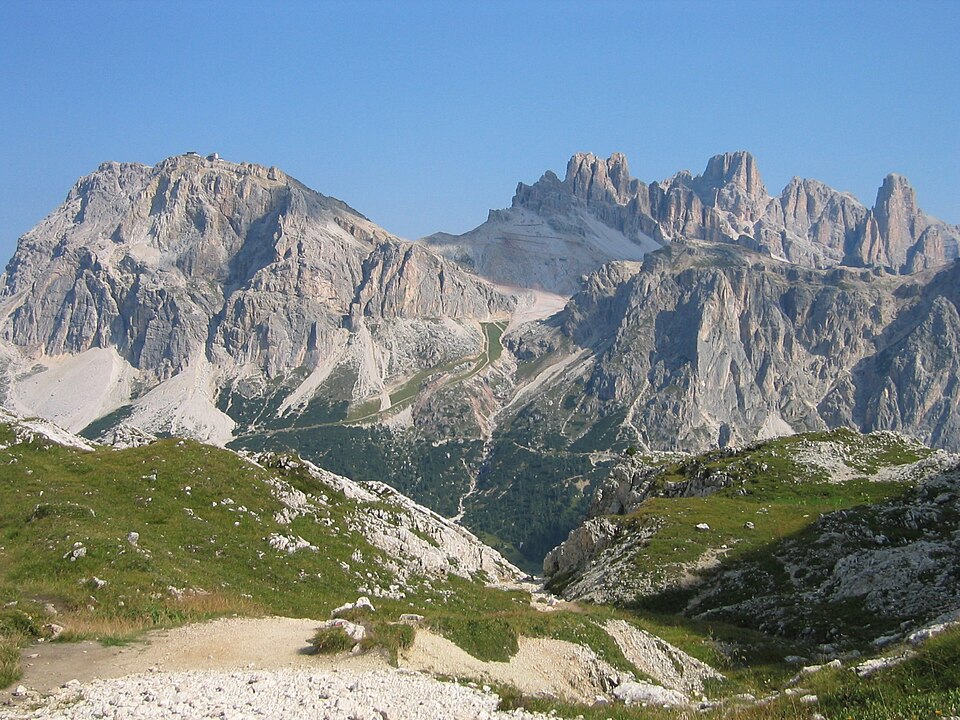 Photo: Clemens Stockner · Public domainTrek Italy
Alta Via 1 — The Classic Dolomites High Route
A six-day rifugio-to-rifugio highlights traverse of the Dolomites, from the emerald water of Lago di Braies over WWI passes and beneath the great walls of Civetta and Pelmo down towards Belluno.
- Duration
- 6 days
- Distance
- 120 km
- Difficulty
- Hard
-
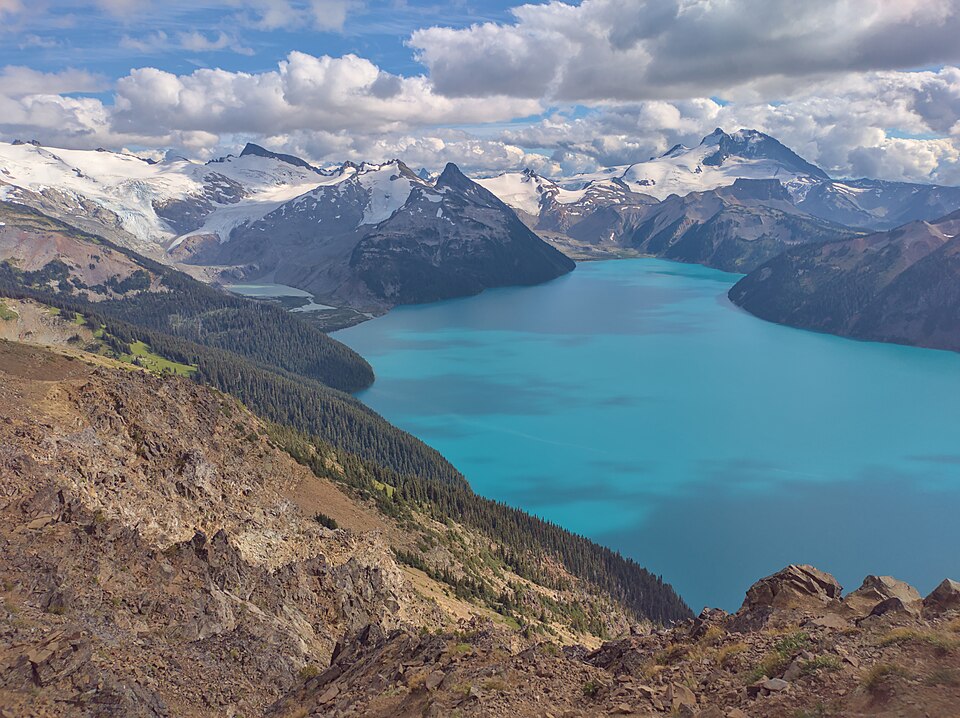 Photo: The Cosmonaut · CC BY-SA 2.5 caTrek Canada
Garibaldi Lake from Rubble Creek
The big day hike of the Sea-to-Sky: nine kilometres and about 900 metres up through old forest from Rubble Creek to a vast turquoise lake held back by a volcanic lava dam, with glaciers pouring into its far shore.
- Duration
- 1 day
- Distance
- 18 km
- Difficulty
- Hard