
Blog
Day Hikes to Do Before a Hut Trek
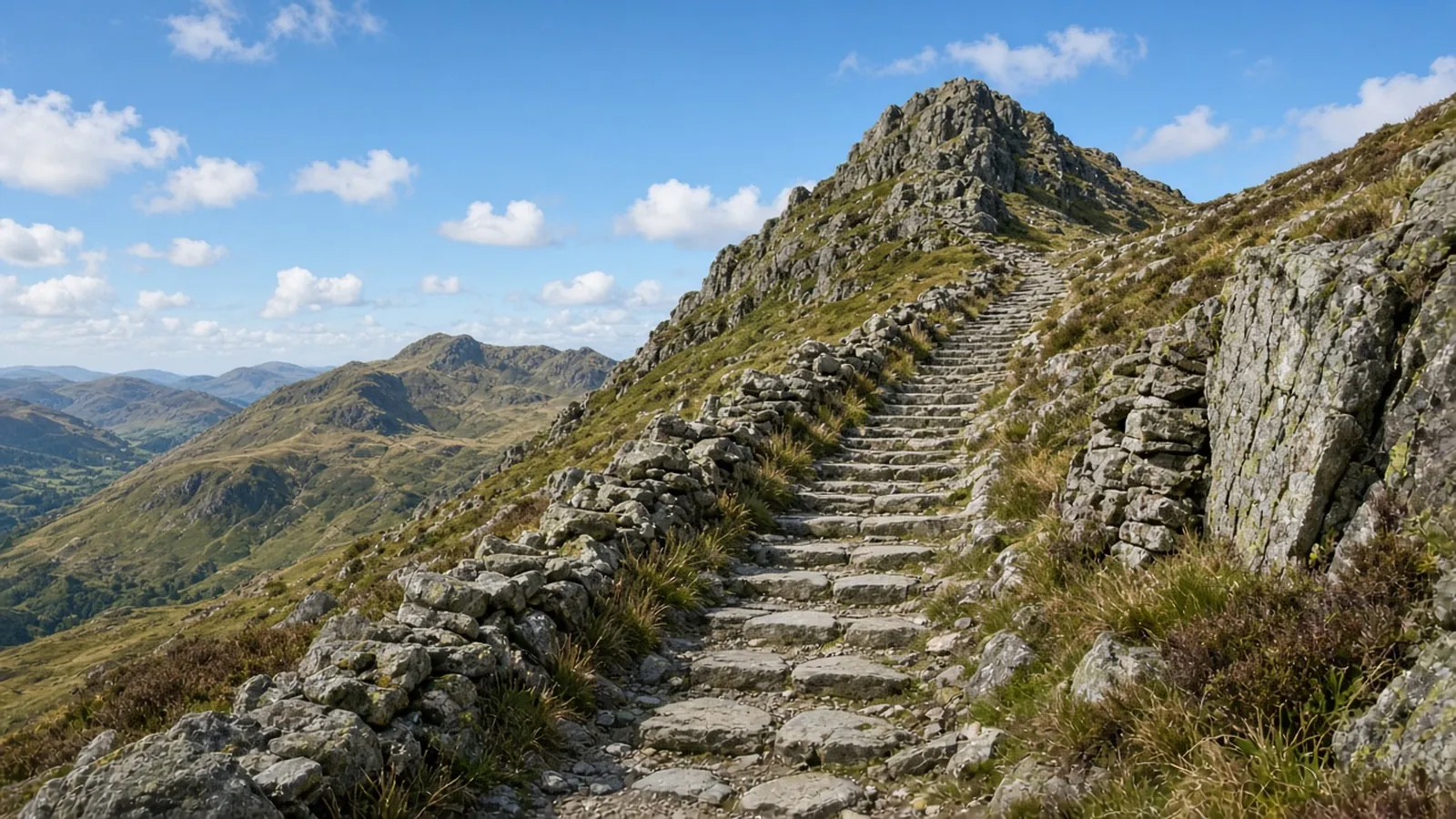
In short
Before the Tour du Mont Blanc (7 days, 170 km, 10,000 m, graded hard), use a day hike to rehearse one demand. Snowdon's Llanberis Path (14 km, 965 m) is one long ascent. Scafell Pike (9.6 km, 900 m, hard) is navigation in cloud. Olympus and Toubkal add a refuge night. Platteklip Gorge (5 km, 780 m, hard) is heat. None of them is a small version of the whole week.
Rehearse one demand, then book the week
The Tour du Mont Blanc is the hut trek people name when they want a first big alpine circuit. Waymark’s itinerary is 7 days, 170 km and 10,000 m of ascent, graded hard, from the Chamonix valley anti-clockwise through France, Italy, and Switzerland. The season is mid-June to mid-September. Most walkers take 7 to 11 days in refuges and village guesthouses. There is no technical climbing. The daily ascents are long, and weather at altitude turns quickly. A high traverse can hold snow into early summer. The passes are reliably clear of snow only in high summer. July and August are when the refuge chain has to be booked ahead.
No weekend contains that week. What a weekend can contain is one of the demands, isolated, so you find out which part is the actual problem: a long ascent, a summit that disappears in cloud, a night in a hut and a second morning, real altitude, or heat on a steep slope with no shade. The five walks below are those tests. Each figure is the figure on the route page.
If the question is the valley day in Chamonix itself, that is a separate walk: Chamonix before the Tour du Mont Blanc. The month the hut tours open is June.
Snowdon rehearses one long ascent
Yr Wyddfa by the Llanberis Path is 14 km and 965 m of ascent, graded moderate, in a single day. The summit is about 1,085 m, the highest ground in Wales. The season is May to September. Outside that window the page is blunt: this is a full winter mountaineering route, and snow and hard neve call for an ice axe, crampons, and the skill to use them.
In summer the Llanberis Path is the long, forgiving line. It shadows the mountain railway, the gradient is steady, and the work is the hours of uphill rather than route-finding. Allow about 6 hours for the round trip. That shape is the closest of these five to a single TMB pass day: a clear path, a lot of ascent, and a finish that is a viewpoint rather than a technical problem.
Do this one first if you have done little sustained climbing. A tired pair of legs at 965 m, in good weather, is useful information. A winter ascent is a different activity, and it is a bad stand-in for a July refuge day. The page warns that above Clogwyn the path crosses a convex slope where a slip on ice can carry you over the cliffs below. Leave that for people who already mountaineer.
Scafell Pike rehearses the cloud
Scafell Pike from Wasdale Head is 9.6 km and 900 m, graded hard, in a day. The summit is 978 m, the highest ground in England. The season is May to September, and outside summer the page again calls it a full winter mountaineering route.
The distance is short. The character is relentless: you start near the head of Wast Water and climb about 900 m in a little under 5 km, up Brown Tongue into Hollow Stones and onto a summit that is a field of boulders. In clear weather it is a hard half day, around 5 to 6 hours. In cloud, which arrives often and fast, the plateau gives you nothing to navigate by, and the crags sit close. The page’s instruction is a map and compass, and the skill to walk a bearing, before you set off.
This is the test for the sentence on the TMB page that weather at altitude turns quickly. The TMB is waymarked, and Scafell is not a rehearsal of painted paths. It is a rehearsal of the decision: visibility has gone, the top is a rock pile, and you either know where you are or you turn around. If that decision is uncomfortable on a 9.6 km English fell in July, a seven-day alpine circuit in a wet week will be worse.
Olympus rehearses the refuge night
Mount Olympus, from Prionia to Mytikas, is 2 days, 18 km and 1,900 m, graded hard. The season is late June to early October, when the high refuges are staffed and the summit ridge is clear of snow. Mytikas, the highest point in Greece, is 2,918 m.
The shape is the hut-trek shape in miniature. Day one climbs from Prionia, at about 1,100 m, through forest to the Spilios Agapitos refuge at 2,100 m. You sleep there. Day two leaves at first light for the summit, then descends. Refuge A has to be booked in summer. It fills. Above the refuge there is no water.
The part that does not transfer is the top. Above Skala the route crosses the Kaki Skala, a rock scramble with serious exposure. The page calls it class 3: no technical gear in good conditions, and nothing between you and a long drop. Many walkers stop at Skolio, the second summit, at 2,911 m. The Tour du Mont Blanc needs no technical climbing. Olympus rehearses the night at altitude and the second morning. It also asks for a scramble the TMB does not contain. Treat a hesitant hour on the Kaki Skala as information about exposure, and keep it separate from the question of whether you can walk hut to hut.
Outside the refuge season the page says Olympus becomes a mountaineering objective. The staffed window is the only window that resembles a TMB stage.
Toubkal rehearses height and a long way down
Mount Toubkal is 2 days, 30 km and 2,360 m, graded hard. The summit is 4,167 m, the highest point in North Africa. The season for the non-technical ascent is roughly May to October. From about November to April the mountain carries snow and ice, is avalanche-prone, and needs crampons, an ice axe, and the skills to use them.
The usual plan climbs the Ait Mizane valley from Imlil to the refuge at 3,207 m, then leaves before dawn for the scree to the summit and walks all the way back down. The second day on the page is about 19 km. Summer walking uses no ropes. The altitude and the scree are what make the two days hard. Since 2019 a licensed local guide has been required on the Imlil route, and you bring a passport for the checkpoints. That rule belongs to Toubkal. The TMB does not require a guide.
Use Toubkal when the question is how you feel on a second morning after sleeping high, and how a long descent sits in the legs. The summit is far above any night on the TMB, so a headache at 4,167 m is a warning about altitude, not a verdict on a pass above 2,400 m.
Table Mountain rehearses heat and the turn-around
Table Mountain via Platteklip Gorge is 5 km and 780 m, graded hard, in half a day. The season is Cape Town’s summer and autumn, November to April, and the page says to start early to beat the heat. The gorge faces the sun. Shade is almost absent. The climbing is packed into one cleft above the city.
This grade is hard because of gradient and sun, on a walk you can see the end of. It is the right test if hot valleys worry you more than snow. Carry more water than a 5 km walk suggests. If the cloud starts to pour over the summit, the page says to turn back. Many people ride the cable car down from the plateau. It closes in high wind and for maintenance, so a plan that depends on the ride needs a check that morning. The true high point on the plateau is Maclear’s Beacon, at about 1,086 m.
A November morning on Platteklip tells you how you climb in heat. It tells you nothing about day five of a refuge week. Keep those results in separate columns.
What a weekend cannot rehearse
Add the five tests up and you still do not have 10,000 m or seven mornings. Snowdon is the one comparable ascent. Scafell is the cloud and the decision to navigate or leave. Olympus is the booked refuge and an exposed scramble the TMB does not include. Toubkal is a higher summit and a long descent day. Platteklip is heat on a short, steep path. The week itself, the booking of a chain of beds, and the snow that can sit on a June pass are the parts that remain.
Read the grades as they are printed. Snowdon is moderate. Scafell, Olympus, Toubkal, and Platteklip are hard. The TMB is hard for the size of the week, which is a different reason, spelled out in what hard means. Where to walk in June is the month note beside the beds and the snow.
Questions
- Which single day hike is the closest rehearsal for a Tour du Mont Blanc stage?
- Snowdon by the Llanberis Path: 14 km and 965 m, graded moderate, summit about 1,085 m, in May to September. It is a long steady ascent on a clear path. Outside that season the same path is a winter mountaineering route.
- Does Mount Olympus prepare you for the Tour du Mont Blanc?
- It prepares you for a refuge night and a big second morning. Olympus is 2 days, 18 km and 1,900 m, graded hard, from late June to early October, with Mytikas at 2,918 m. The Kaki Skala scramble is more exposed than anything the TMB asks. The TMB needs no technical climbing.
- Is Toubkal a useful test before a hut trek?
- Yes, for altitude and a long second day. It is 2 days, 30 km and 2,360 m, graded hard, summit 4,167 m, from May to October. Winter and early spring need crampons and an ice axe. The height is above the TMB. The summer walking is non-technical.
- Why walk Table Mountain before an Alpine hut tour?
- Platteklip Gorge is 5 km and 780 m, graded hard, because it is steep and sun-baked. The season is November to April, and the page says to start early. It rehearses heat, water, and the decision to turn back. It does not rehearse a week of distance.
Sources
Routes in this post
-
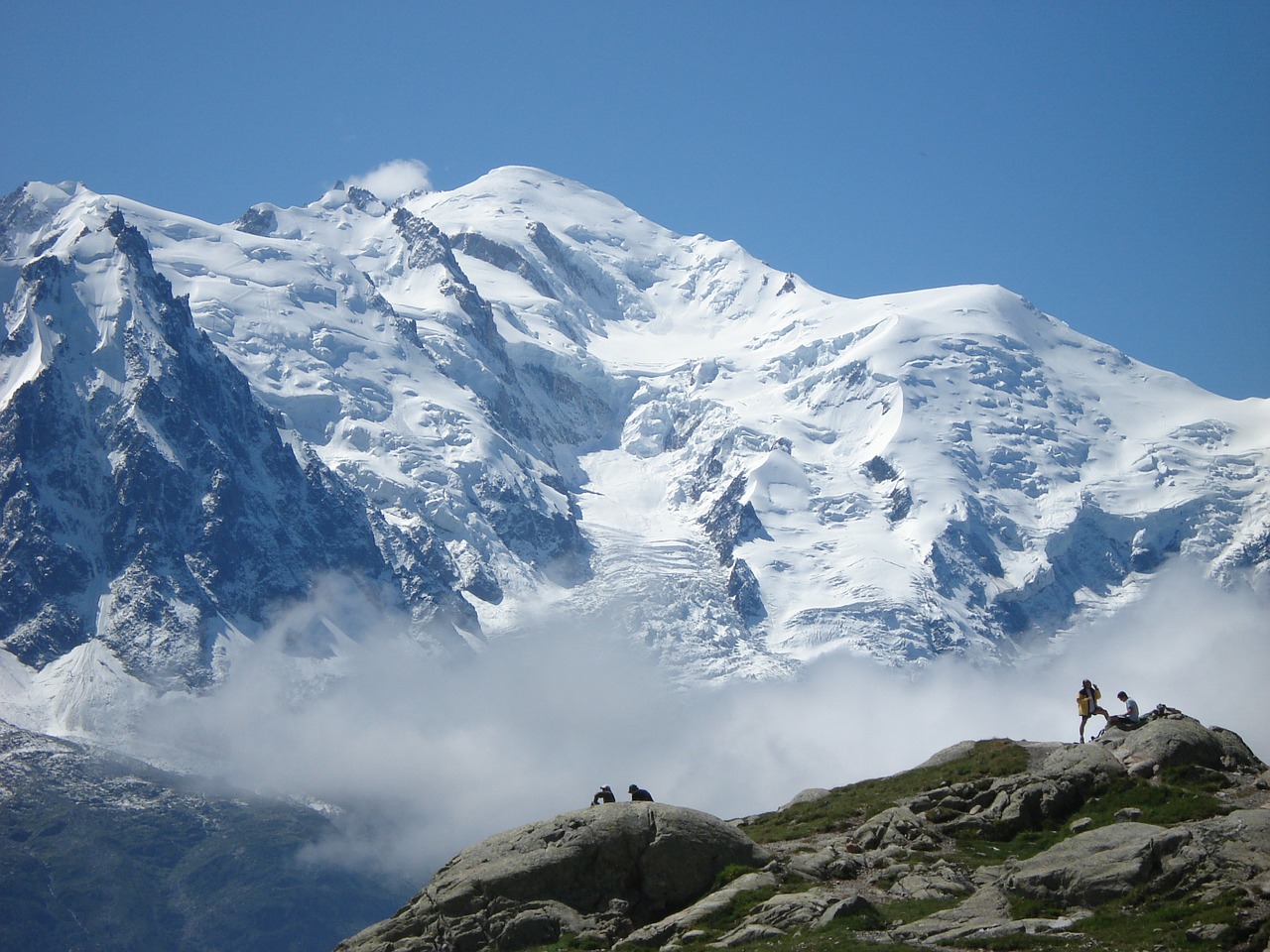 Photo: Hseugut · CC BY-SA 4.0Trek France, Italy, Switzerland
Tour du Mont Blanc
A circular alpine classic looping 170 km around the Mont Blanc massif through France, Italy and Switzerland.
- Duration
- 7 days
- Distance
- 170 km
- Difficulty
- Hard
-
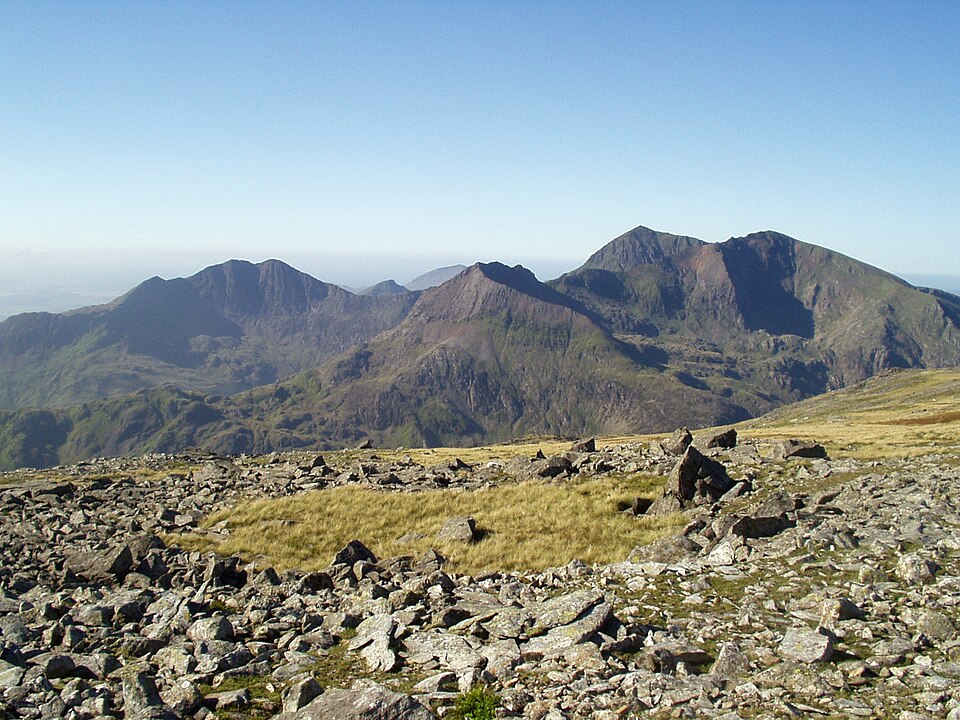 Photo: Wikimedia Commons · CC BY-SA 3.0Trek United Kingdom
Yr Wyddfa (Snowdon) by the Llanberis Path
The longest and most gradual way up the highest mountain in Wales — about 6.8 km of steady climbing beside the mountain railway, past the cliffs of Clogwyn Du'r Arddu to the summit at 1,085 m.
- Duration
- 1 day
- Distance
- 14 km
- Difficulty
- Moderate
-
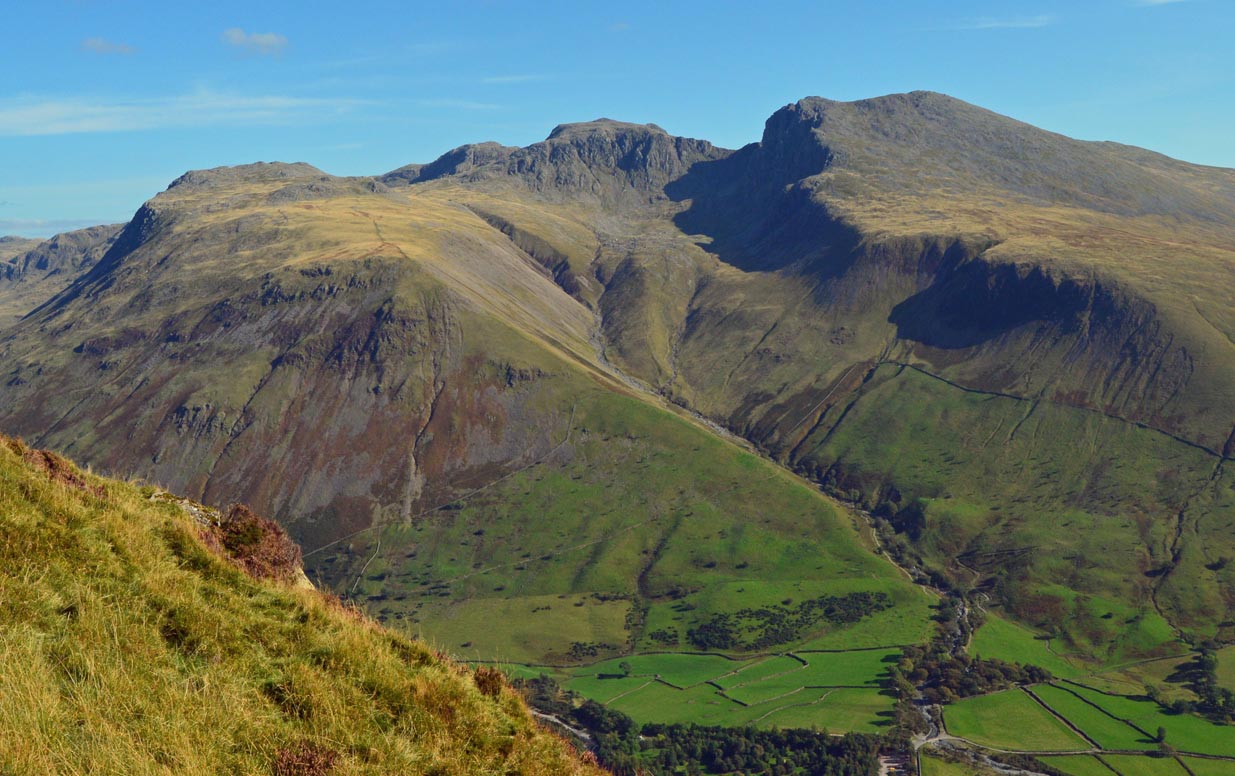 Photo: Doug Sim · CC BY-SA 4.0Trek United Kingdom
Scafell Pike from Wasdale Head
The shortest way up England's highest mountain (978 m) — about 900 m of climbing from Wasdale through Lingmell Gill and Hollow Stones onto a summit that is a bare field of boulders.
- Duration
- 1 day
- Distance
- 9.6 km
- Difficulty
- Hard
-
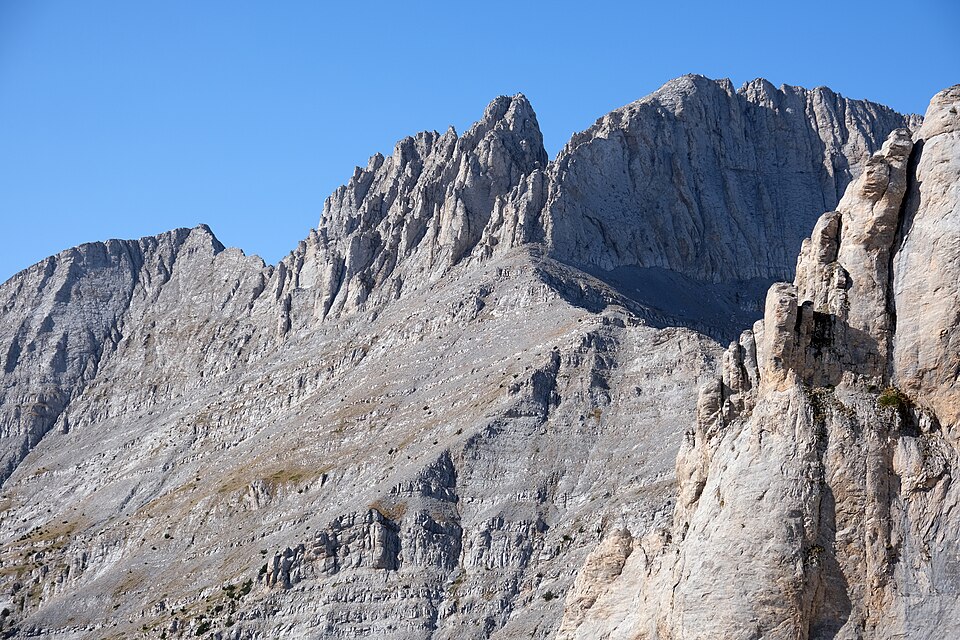 Photo: kallerna · CC BY-SA 4.0Trek Greece
Mount Olympus — Prionia to Mytikas, the Home of the Gods
Two days from the Prionia trailhead through beech forest to Refuge A, then up to Skala and across the exposed Kaki Skala scramble to Mytikas (2,918 m), the highest point in Greece.
- Duration
- 2 days
- Distance
- 18 km
- Difficulty
- Hard
-
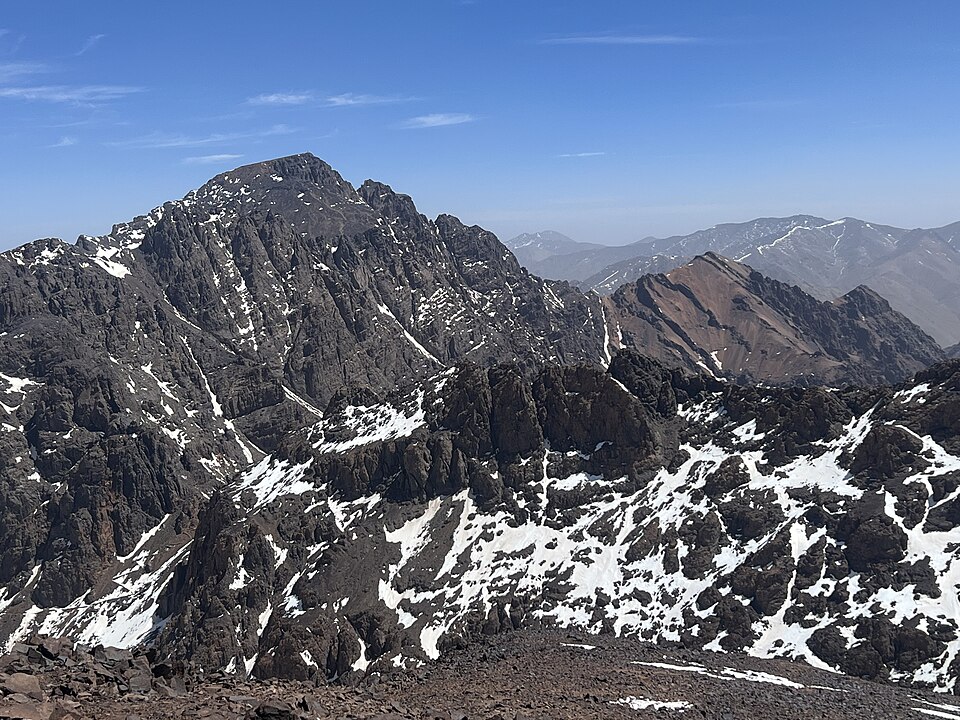 Photo: SimonKing74 · CC0Trek Morocco
Mount Toubkal — North Africa's Highest Summit
Two days from a Berber village to the roof of North Africa at 4,167 m — mule tracks, a blue-painted shrine, a mountain refuge, and a long scree climb to a summit that sees the Sahara.
- Duration
- 2 days
- Distance
- 30 km
- Difficulty
- Hard
-
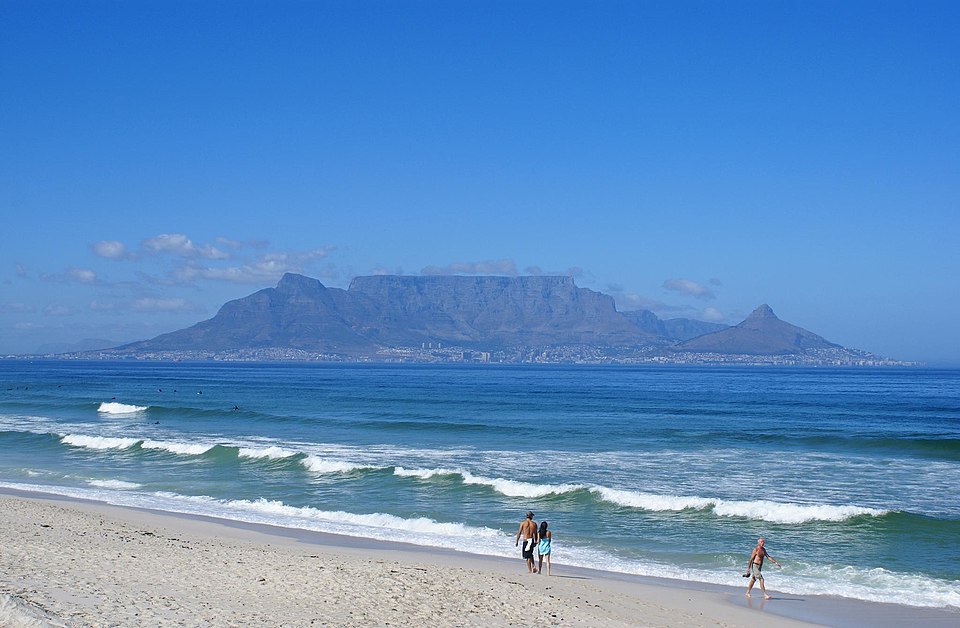 Photo: Danie van der Merwe from Cape Town, South Africa · CC BY 2.0Trek South Africa
Table Mountain via Platteklip Gorge
The classic direct ascent of Table Mountain — a steep, sun-baked climb up the great cleft in the cliffs to the flat summit high above Cape Town, with the option to ride the cable car back down.
- Duration
- 1 day
- Distance
- 5 km
- Difficulty
- Hard