
Blog
What Hard Means on a Waymark Route
In short
Hard is not one experience. The Grouse Grind is hard because 800 m of stairs sits in 2.5 km. Platteklip Gorge is hard because of sun on a 780 m climb. The Grand Canyon rim-to-rim is hard because of heat, water, and the climb out over 3 days. The Tour du Mont Blanc is hard because of 10,000 m across 7 days. Expert is a different word: the GR20 for scrambling, Kilimanjaro for altitude.
Read the reason, then the word
Waymark prints a grade on every route. Hard is one of those grades, and on the six walks below it does not describe one experience. Two short climbs are hard. A three-day canyon crossing is hard. A seven-day alpine circuit is hard. Then the scale changes word. Expert appears on a Corsican ridge and on an African summit, for two different reasons, and it is not a louder way of saying hard.
Use the grade that is printed. The comparisons below stay inside those words: four routes graded hard, two graded expert. The numbers are the numbers on each page. If you are choosing a first test before a hut week, the day-by-day version is day hikes before a hut trek.
Hard because it is stairs
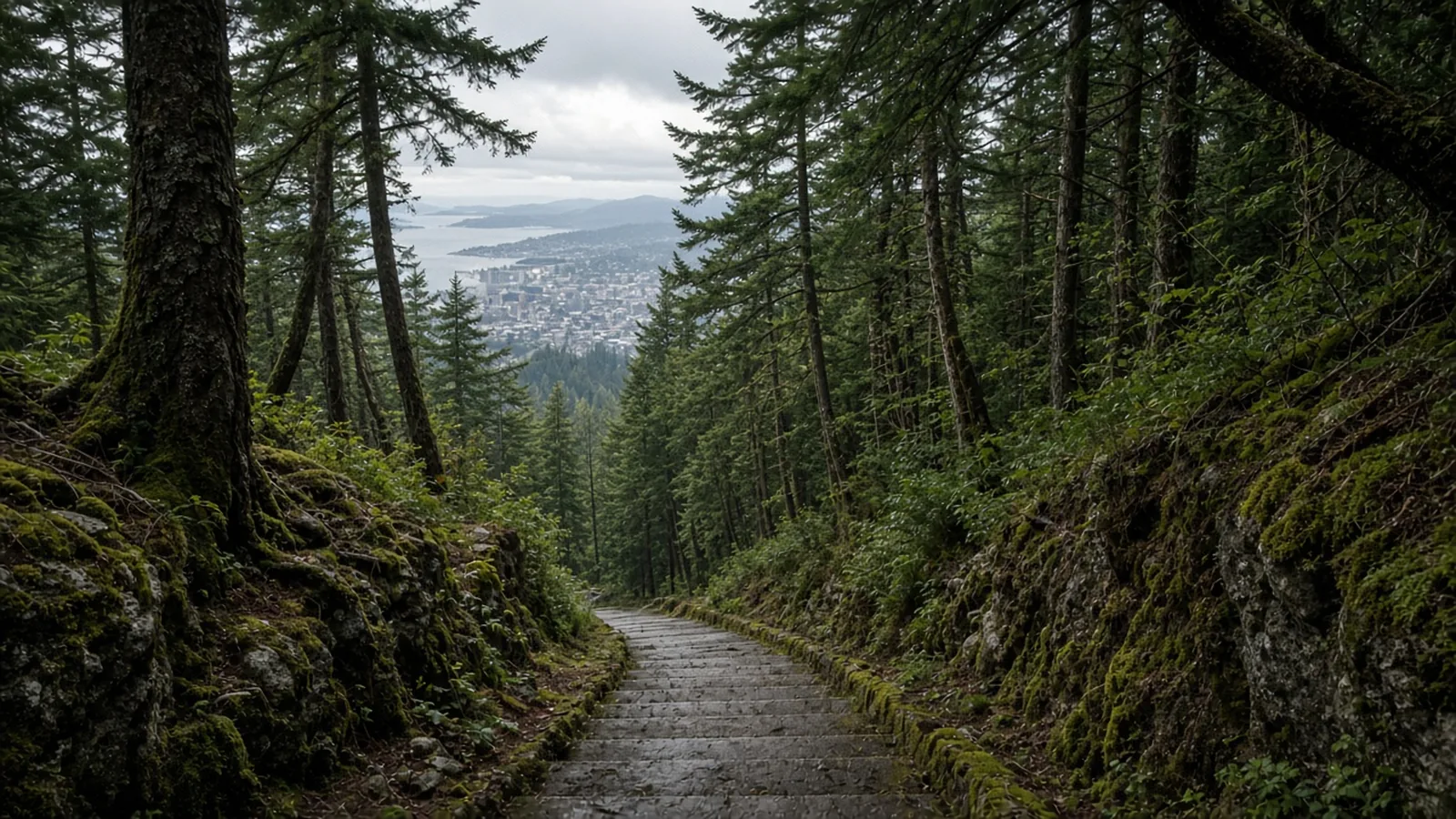
The Grouse Grind is 2.5 km and 800 m of ascent, graded hard, in a single push up the south face of Grouse Mountain in North Vancouver. The page’s own nickname is a stair machine. There is almost no flat ground. About 2,830 steps are built into the steepest sections. The forest hides the view until the chalet at the top. Most people take around two hours. The official guidance is about two to two and a half.
The trail is one-way. Hiking down is not allowed: the descent is hard on knees, dangerous on wet steps, and it clogs the narrow path. Everyone rides the Skyride or gondola down, which means a download ticket. The hike itself is free. The ticket price is whatever the mountain is charging that season, so check it on the day rather than trusting an old figure.
The season is late spring to autumn, when the trail is open. It is usually closed from about November to April. A winter plan that assumes the Grind is a fitness appointment will find a gate. Two and a half kilometres, and still hard: the grade is the gradient, not the distance and not the number of days.
The other Vancouver days, including the flat ones and the long lake walks, are sorted in Vancouver day hikes.
Hard because of the sun
Table Mountain via Platteklip Gorge is 5 km and 780 m, graded hard. The season is November to April, Cape Town’s summer and autumn, and the instruction is to start early to beat the heat.
The route is the cleft in the famous face. It is not a rock climb. It is a relentless uphill in a gorge with almost no shade, from a trailhead on Tafelberg Road to the plateau. The summit plateau’s high point is Maclear’s Beacon, at about 1,086 m. The gorge faces the sun. The page calls summer heat in that cleft dangerous, and it tells you to turn back if the tablecloth cloud pours over the top. Carry a lot of water and a warm layer, because the weather on the plateau changes even on a hot day.
Many walkers ride the cable car down. It closes in high wind and for maintenance. A plan that needs the cable car has to confirm it is running. Five kilometres looks like a morning stroll. The grade says hard because of the angle and the heat. December sits inside this season. It does not make the gorge gentle.
Hard because the canyon is a crossing
The Grand Canyon rim-to-rim is 3 days, 38 km and 1,450 m of ascent, graded hard. The standard line drops the North Kaibab Trail, spends a night near the river at Bright Angel Campground or Phantom Ranch, and climbs the Bright Angel Trail to the South Rim.
The page calls it a serious undertaking, and it says so because the inner canyon is brutally hot in summer, long stretches have no shade, and the climb out gains well over a thousand metres. Water, timing, and fitness are the whole plan. Overnight trips need a backcountry permit. Phantom Ranch beds are allotted by lottery far ahead. The North Rim and its facilities are seasonal, open roughly mid-May to mid-October. Outside that window the North Kaibab trailhead is snowbound and unserviced. The page also notes the 2025 Dragon Bravo Fire and a staged reopening of the North Rim, and it tells you to check current operations before a plan assumes the lodge is there.
The Park Service warning on the page is specific: do not attempt rim-to-rim in a single day in summer heat. The two rims are about 16 km apart in a straight line and hundreds of kilometres apart by road, so the logistics are a shuttle or two cars, not a loop back to the same parking lot.
This is hard as a desert expedition with beds that are rationed. The distance, 38 km, is shorter than many moderate weeks. The grade comes from heat, water, and the climb back to the rim. Late spring and early autumn are the weeks the page prefers, inside the North Rim season, clear of the worst inner-canyon summer.
Hard because the week is enormous
The Tour du Mont Blanc is 7 days on the Waymark itinerary, 170 km and 10,000 m of ascent, graded hard. The season is mid-June to mid-September. Most walkers take 7 to 11 days. They sleep in refuges and village guesthouses. The route is waymarked. It needs no technical climbing. Daily ascents are long, and weather at altitude turns quickly. The page compares the climbing to ascending Everest twice, spread around the Mont Blanc massif through France, Italy, and Switzerland.
A high traverse can hold snow into early summer. The passes are reliably clear of snow only in high summer. July and August are the busy weeks, and the refuge chain for those weeks is booked ahead, not on arrival. You can shorten a stage with valley transport and cable cars when the weather turns. That flexibility does not change the grade.
Both are graded hard, for different obstacles: 2.5 km of stairs in a morning, or 10,000 m across a week of passes with no scramble required. June opens the TMB season. It does not guarantee a bare pass.
Expert is a different word
The GR20 asks for your hands
GR20 North, from Calenzana to Vizzavona, is graded expert. The figures are 6 days, 98 km and 6,450 m of ascent. The season is mid-June to September, and snow lingers on the high passes into early summer.
The page notes that the GR20 is routinely called Europe’s toughest waymarked trail, and that the northern half holds the hardest of it. The itinerary compresses refuge-to-refuge stages into long days of scrambling over granite, crossing high cols on chained rock, and camping under Corsican peaks. It asks for sure footing, a head for exposure, and real hill fitness. The high point of the whole GR20, the Pointe des Éboulis at about 2,607 m below Monte Cinto, falls on the fourth day of this highlights route.
Staffed refuges take bookings, July and August bunks go ahead, and the safe window the page names is roughly mid-June to late September. The TMB is hard and needs no technical climbing. The GR20 north is expert because the terrain is exposed scrambling.
Kilimanjaro asks for your lungs
The Machame route on Kilimanjaro is also graded expert, and the reason on the page is different. The figures are 6 days, 62 km and 4,900 m of ascent. The dry seasons are January to March and June to October. The long rains of April and May are the months to avoid.
The page is explicit: the main challenge is altitude, not technical difficulty. There is no climbing. The thin air on summit night is the hardest thing many trekkers ever do. Machame uses a climb-high, sleep-low pattern that helps acclimatisation, and the page urges six or seven days rather than five, because the extra day improves the chance of reaching the summit and staying well. Independent trekking is not allowed. You go with a licensed operator, guides, and porters. Summit night leaves around midnight from Barafu. Temperatures fall well below freezing, with strong wind.
Expert, on this page, means height and the consequences of going on when you feel ill. It does not mean a scramble. A person who is comfortable on the GR20’s chains can still be stopped by altitude on Machame, and a person who walks Machame slowly with a guide has not practiced Corsican exposure. The shared word is the grade. The preparation is not shared.
January and June both sit in a dry season. April does not.
Use the printed grade
Hard on these pages is stairs, sun, canyon heat, or a week of non-technical ascent. Expert is a different word: scrambling and exposure on the GR20 north, altitude and a required operator on Machame. Keep the two words apart. The distance and the ascent tell you which obstacle the word is naming.
Questions
- Does hard mean the same thing on every Waymark route?
- No. Grouse Grind (2.5 km, 800 m) is hard because it is stairs. Table Mountain's Platteklip Gorge (5 km, 780 m) is hard because of steep sun-baked climbing. Rim-to-rim (3 days, 38 km, 1,450 m) is hard because of inner-canyon heat and the climb out. The Tour du Mont Blanc (7 days, 170 km, 10,000 m) is hard because of the size of the week. All four are graded hard.
- How is expert different from hard?
- Expert is a separate grade. GR20 North is expert: 6 days, 98 km, 6,450 m, with scrambling and exposure on granite. Kilimanjaro's Machame route is expert: 6 days, 62 km, 4,900 m, where the page says the challenge is altitude, not technical climbing. Neither route is graded hard.
- Is the Tour du Mont Blanc a technical climb?
- The page says it needs no technical climbing. It is graded hard because the days are long and the ascent is about 10,000 m over the 7-day Waymark itinerary, across 170 km. The season is mid-June to mid-September, in refuges.
- When is the Grouse Grind open?
- Usually from late spring to autumn. The page says it is usually closed from about November to April. It is 2.5 km and 800 m, graded hard, and one-way: you ride the gondola down, and hiking down is not allowed.
Sources
Routes in this post
-
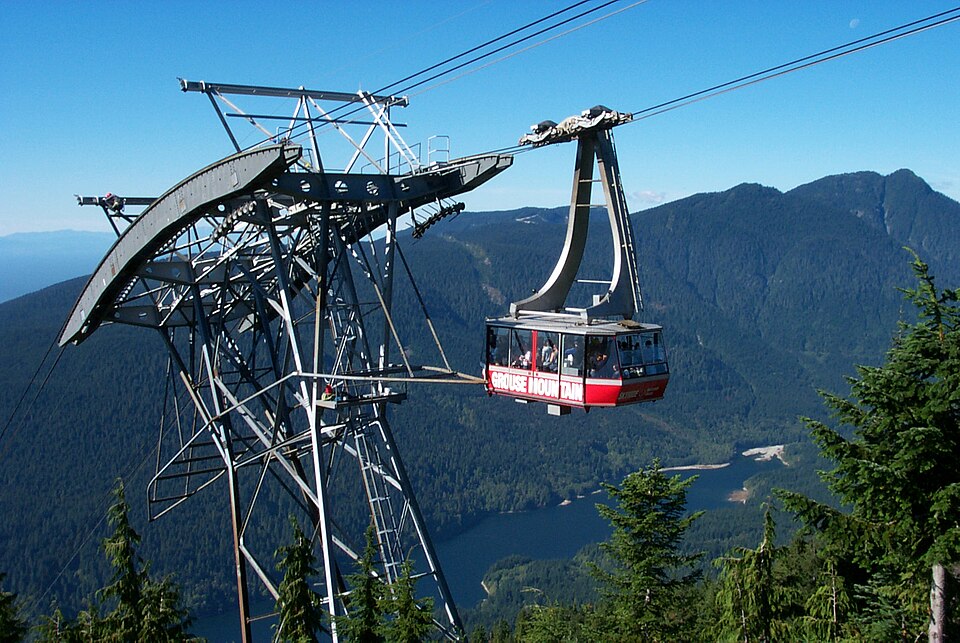 Photo: Pburka at English Wikipedia · Public domainTrek Canada
The Grouse Grind
Vancouver's famous fitness test: 2.5 kilometres and about 800 metres of relentless climbing, much of it on stairs, straight up the face of Grouse Mountain through rainforest to a chalet with a view over the whole city. You ride the gondola down.
- Duration
- 1 day
- Distance
- 2.5 km
- Difficulty
- Hard
-
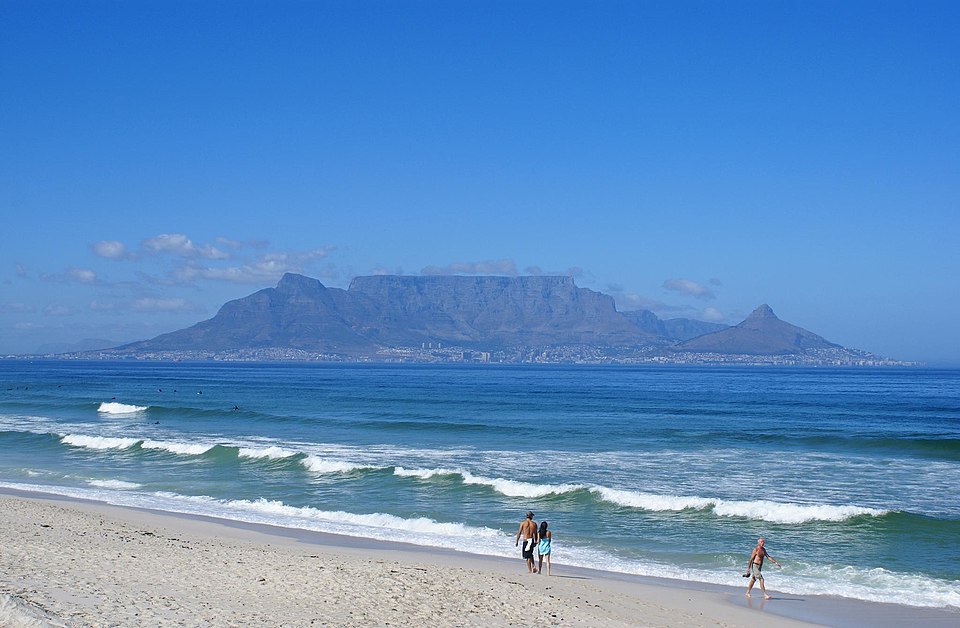 Photo: Danie van der Merwe from Cape Town, South Africa · CC BY 2.0Trek South Africa
Table Mountain via Platteklip Gorge
The classic direct ascent of Table Mountain — a steep, sun-baked climb up the great cleft in the cliffs to the flat summit high above Cape Town, with the option to ride the cable car back down.
- Duration
- 1 day
- Distance
- 5 km
- Difficulty
- Hard
-
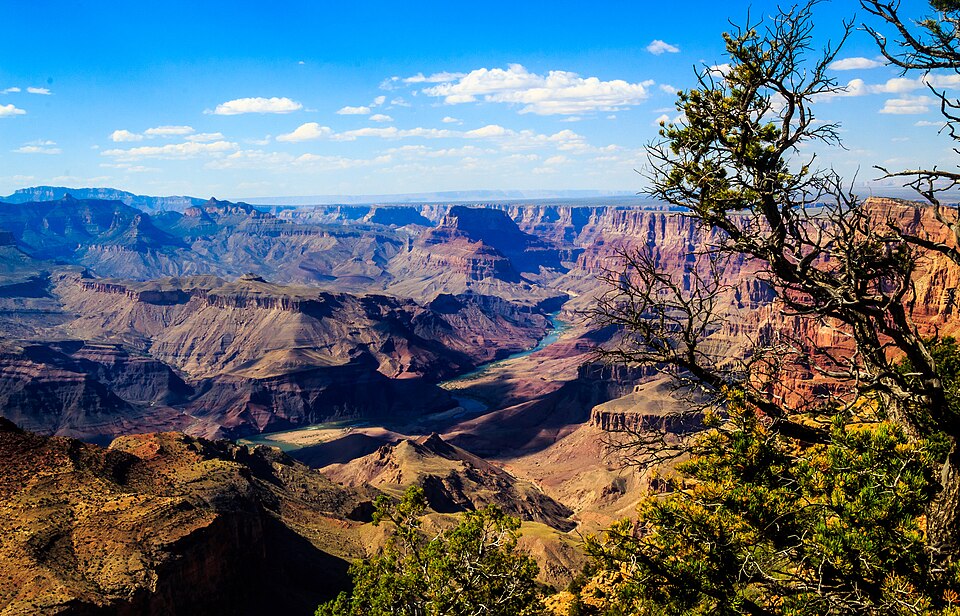 Photo: Lennart Sikkema · CC BY 3.0Trek USA
Grand Canyon Rim-to-Rim — North Kaibab to Bright Angel
The classic crossing of the Grand Canyon: down the North Kaibab Trail from the cool, forested North Rim to the Colorado River at Phantom Ranch, then up the Bright Angel Trail to the South Rim.
- Duration
- 3 days
- Distance
- 38 km
- Difficulty
- Hard
-
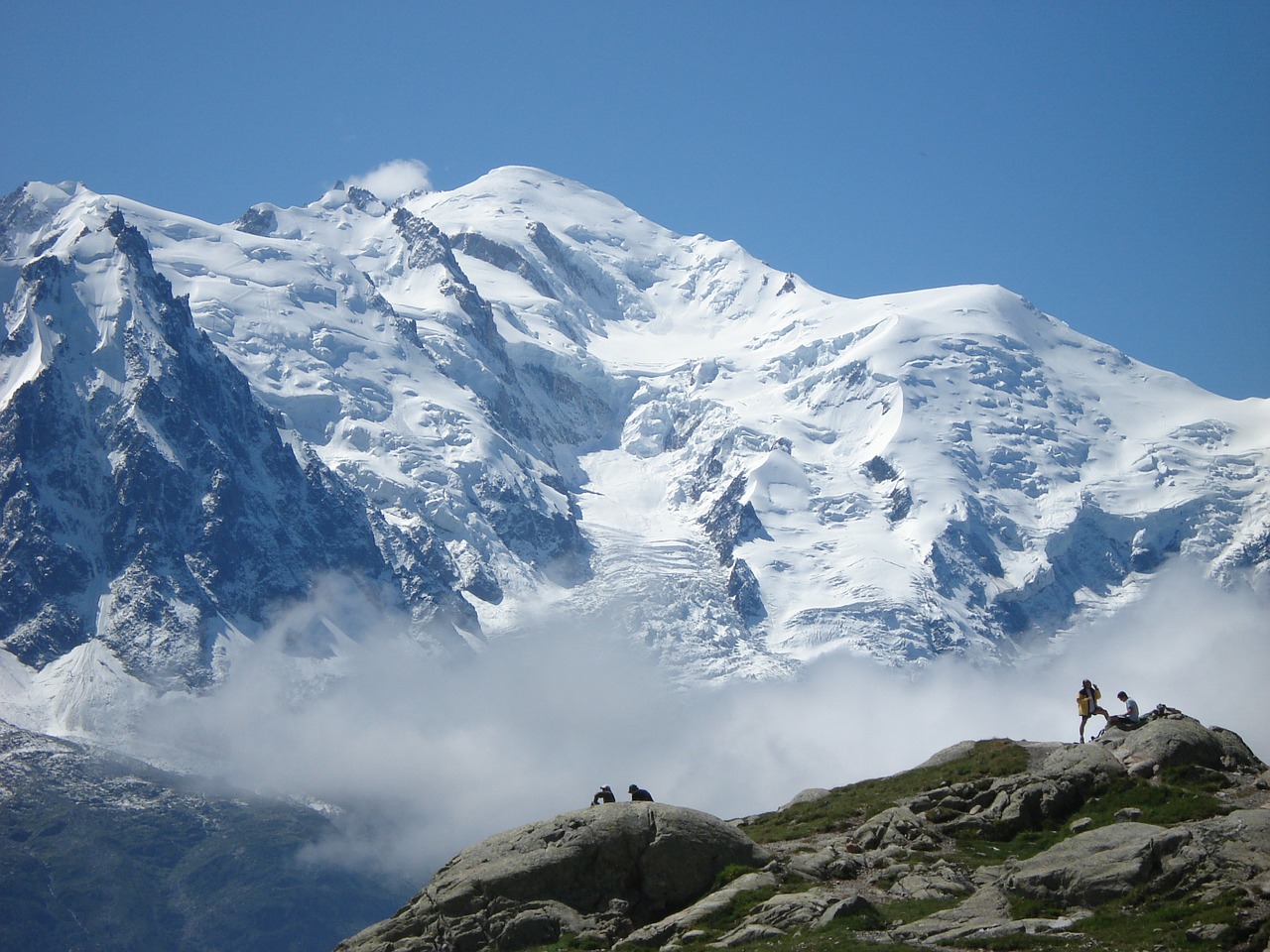 Photo: Hseugut · CC BY-SA 4.0Trek France, Italy, Switzerland
Tour du Mont Blanc
A circular alpine classic looping 170 km around the Mont Blanc massif through France, Italy and Switzerland.
- Duration
- 7 days
- Distance
- 170 km
- Difficulty
- Hard
-
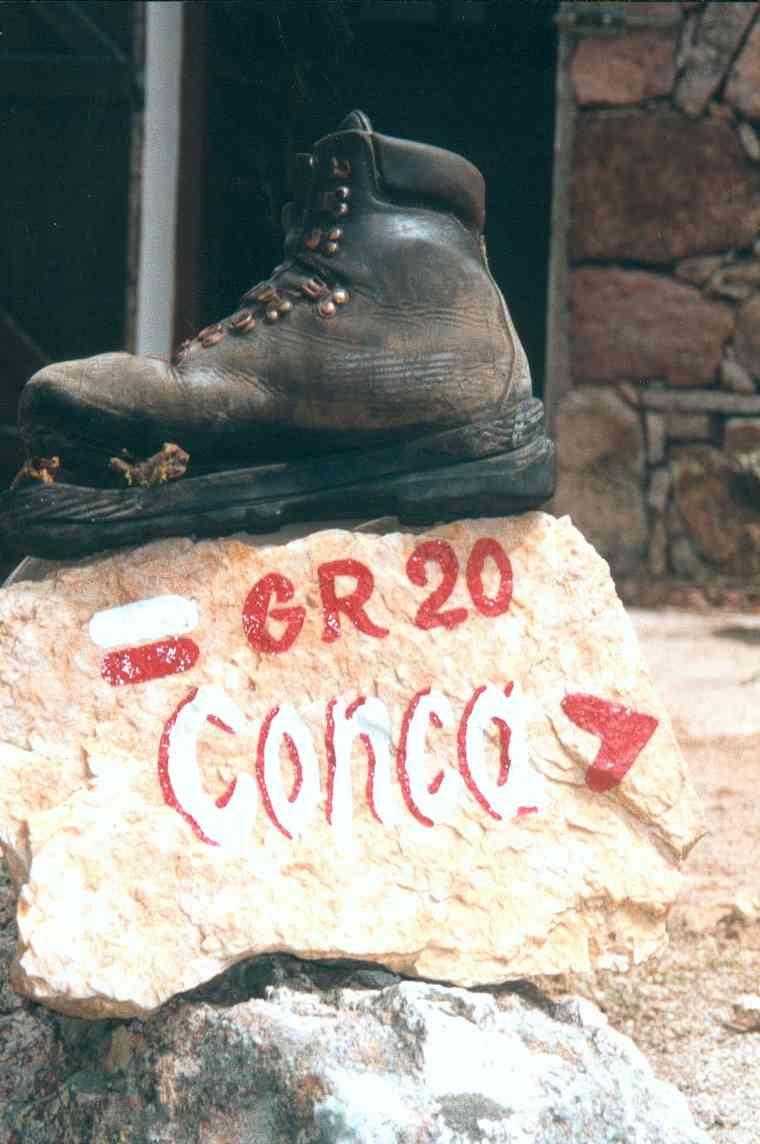 Photo: User:Tcherome · Public domainTrek France
GR20 North — Calenzana to Vizzavona
Six demanding days across the granite spine of northern Corsica, from the maquis above Calenzana over the Monte Cinto massif and past Lac de Nino to the forests of Vizzavona.
- Duration
- 6 days
- Distance
- 98 km
- Difficulty
- Expert
-
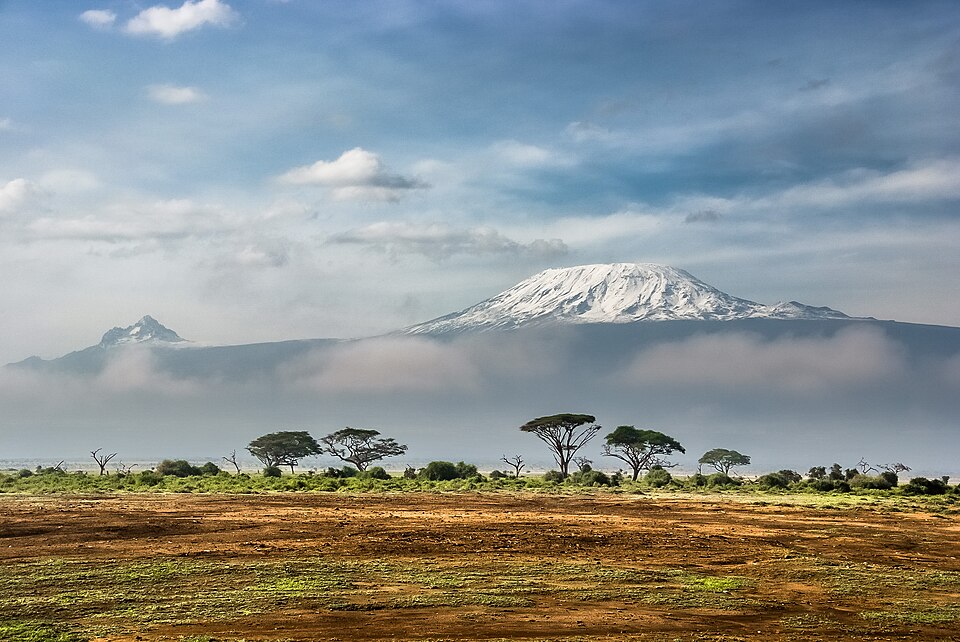 Photo: Sergey Pesterev · CC BY-SA 4.0Trek Tanzania
Kilimanjaro: The Machame Route to Uhuru Peak
Six days from rainforest to glaciers on the 'Whiskey Route', the most scenic way up Kilimanjaro, camping from gate to gate and topping out at Uhuru Peak (5,895 m), the roof of Africa.
- Duration
- 6 days
- Distance
- 62 km
- Difficulty
- Expert