A gentle circuit that starts in deep shade at the springs and ends up on the open archaeological mound above.
Segments
-
 Paradise Springs & the head of the Dan
Reserve entrance → Paradise Springs
Shaded gravel path
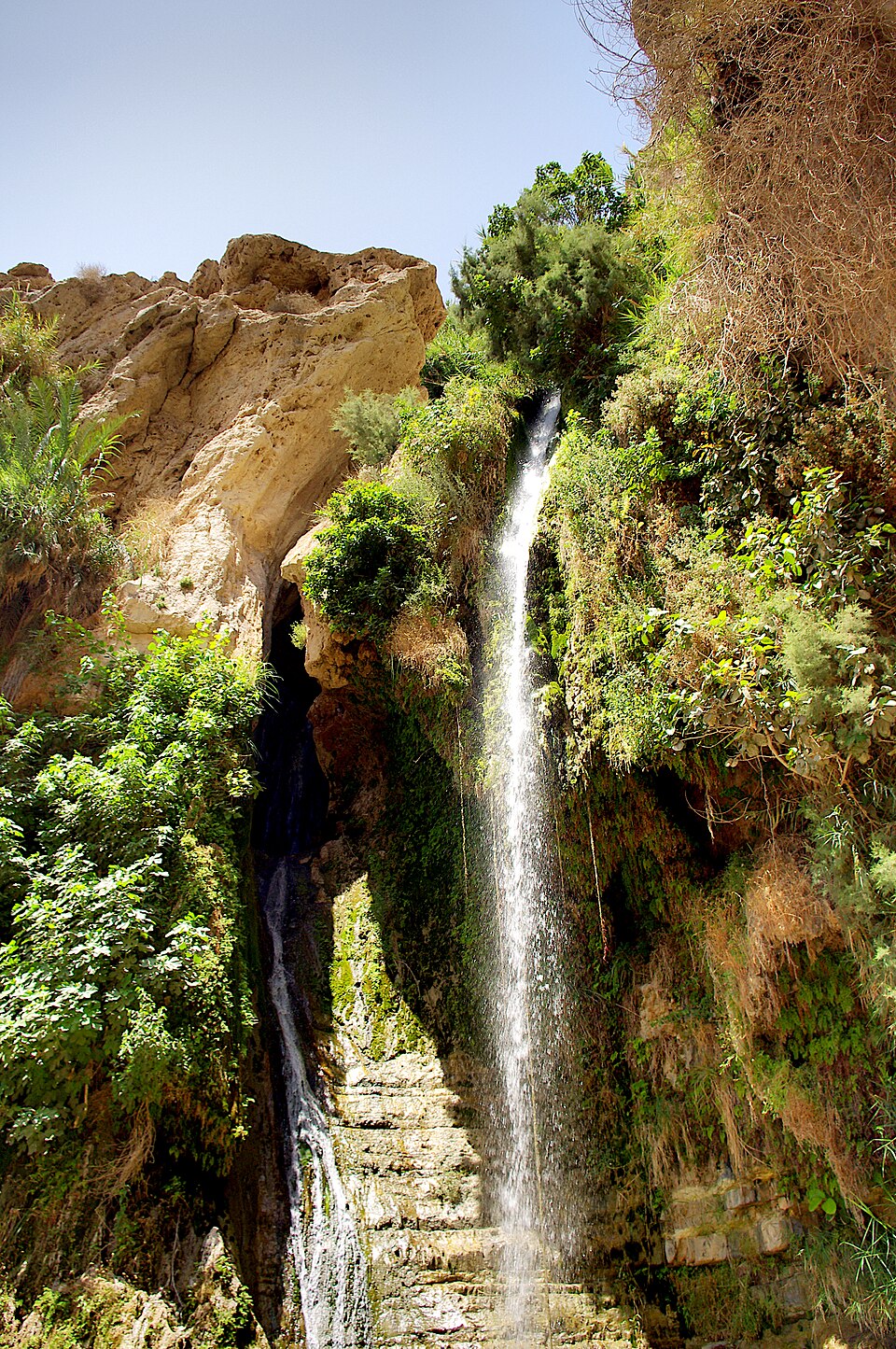
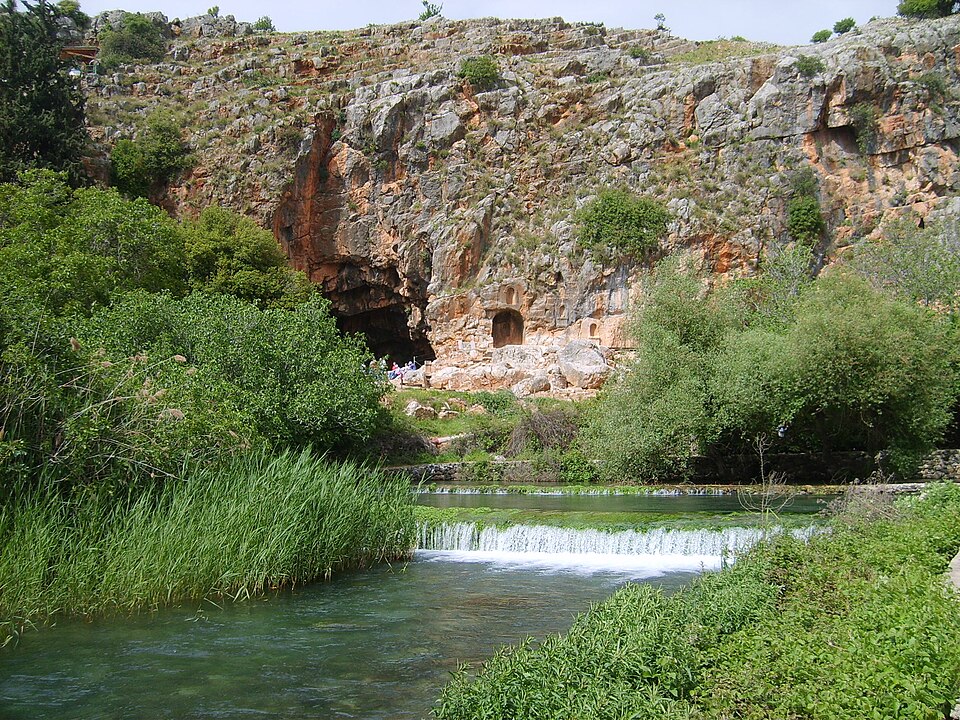
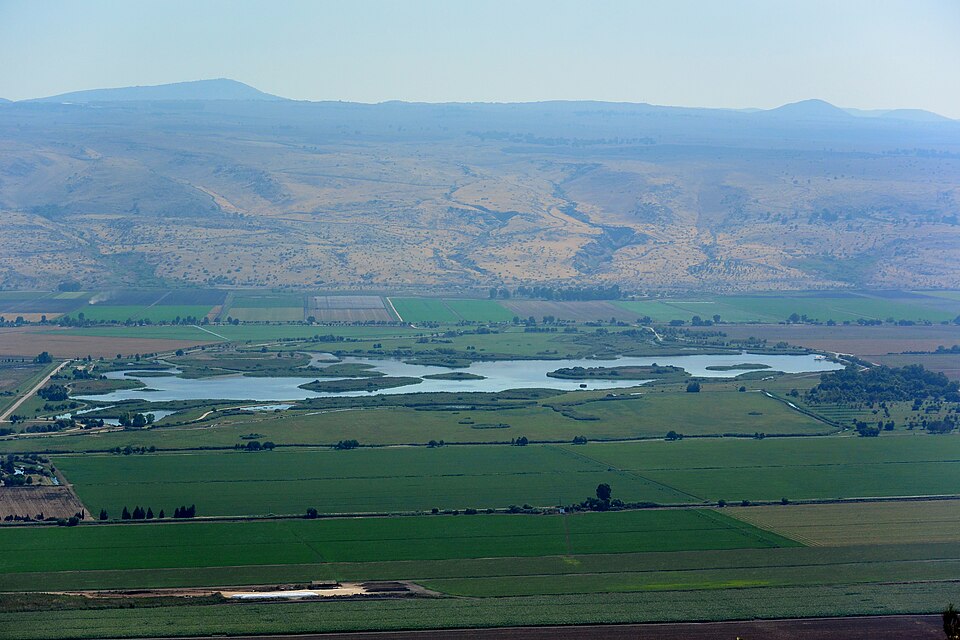
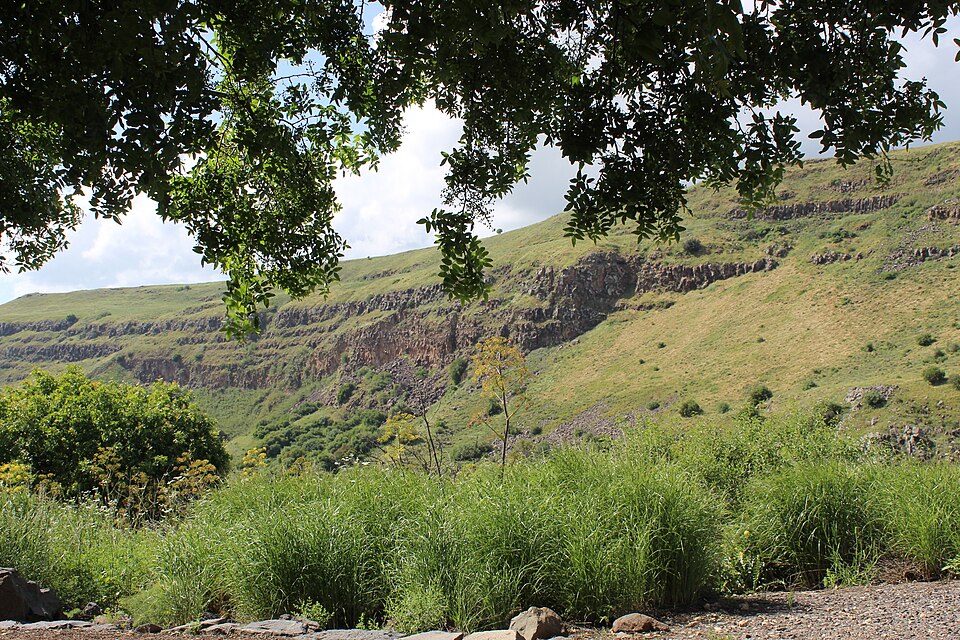
Start where the Dan Stream is born — cold springs welling up under a dense canopy of Syrian ash and fig, fed by snowmelt from Mount Hermon. The Dan is the largest of the three headwaters of the Jordan River (about 240 million cubic meters a year), and it runs cold and full every month of the year. About 30 minutes.
About this place
The Jordan River or River Jordan, also known as Nahr Al-Sharieat, is a 251-kilometre-long (156 mi) endorheic river in the Levant that flows roughly north to south through the Sea of Galilee and drains to the Dead Sea. The river passes by or through Jordan, Syria, Israel, and Palestine.
Read more on Wikipedia - The wading trail
Paradise Springs → The flour mill pool
Stream bed and boardwalk
Step down into the streambed and wade a stretch of the Dan itself, the water clear and ankle-to-shin deep over pale gravel. This is the reserve's signature stretch — bracingly cold on the hottest day, which is exactly why it is a joy in summer. About 30 minutes.
About this place
The Jordan River or River Jordan, also known as Nahr Al-Sharieat, is a 251-kilometre-long (156 mi) endorheic river in the Levant that flows roughly north to south through the Sea of Galilee and drains to the Dead Sea. The river passes by or through Jordan, Syria, Israel, and Palestine.
Read more on Wikipedia - The Canaanite arched gate
The flour mill pool → Abraham's Gate
Dirt path up the tel
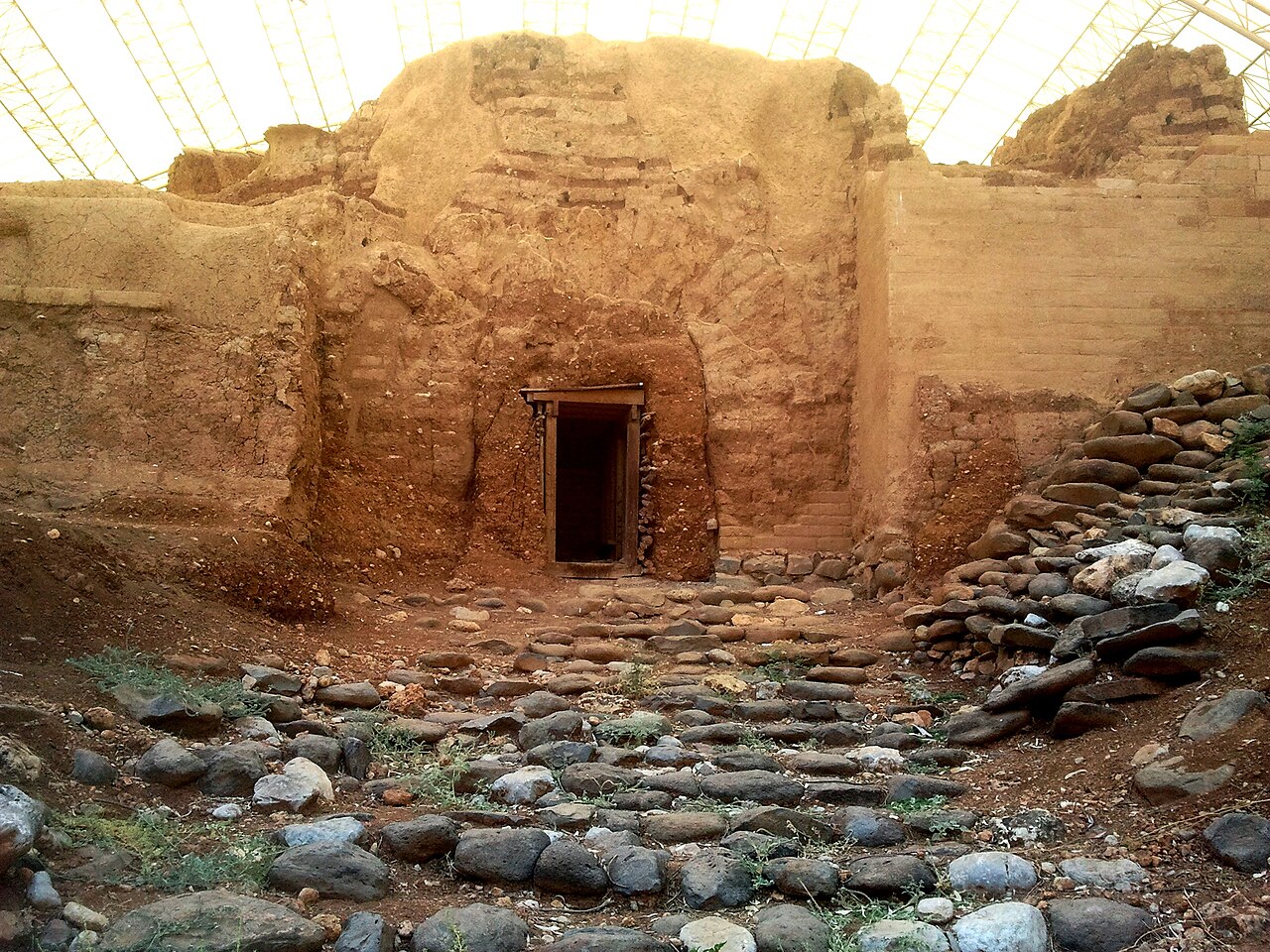
Climb onto the tel to a mud-brick gate built about 1750 BCE, in the Middle Bronze Age, when the city was still the Canaanite Laish. Its three true arches, standing on massive basalt blocks, are among the oldest complete free-standing mud-brick arches known anywhere; local tradition ties it to Abraham, so it is often called Abraham's Gate. About 30 minutes.
- The Israelite gate & the 'House of David'
Abraham's Gate → The Iron Age city gate
Exposed archaeological mound
Reach the great Iron Age Israelite gate complex, with its paved courtyard and the low stone platform thought to have held the king's seat for judgment. It was here, in 1993, that a basalt slab carved in Old Aramaic came to light — the Tel Dan Stele, whose 'bytdwd' is read by most scholars as 'House of David', one of the earliest references to David's dynasty outside the Bible. About 30 minutes.
- The high place
The Iron Age city gate → The sacred precinct
Open mound
Finish at the sacred compound at the top of the tel, where excavators uncovered a large four-horned altar and a raised platform. This is the high place the Book of Kings connects with Jeroboam I, who — after the kingdom split — is said to have set up one of his two golden calves at Dan. A quiet, panoramic end to the walk. About 20 minutes.
Comments
Sign in to join the conversation.
No comments yet — be the first.