A mostly downhill line following the Hermon Stream from its cave-mouth source to the reserve’s roaring waterfall, taking in the ancient sanctuary and palace on the way.
Segments
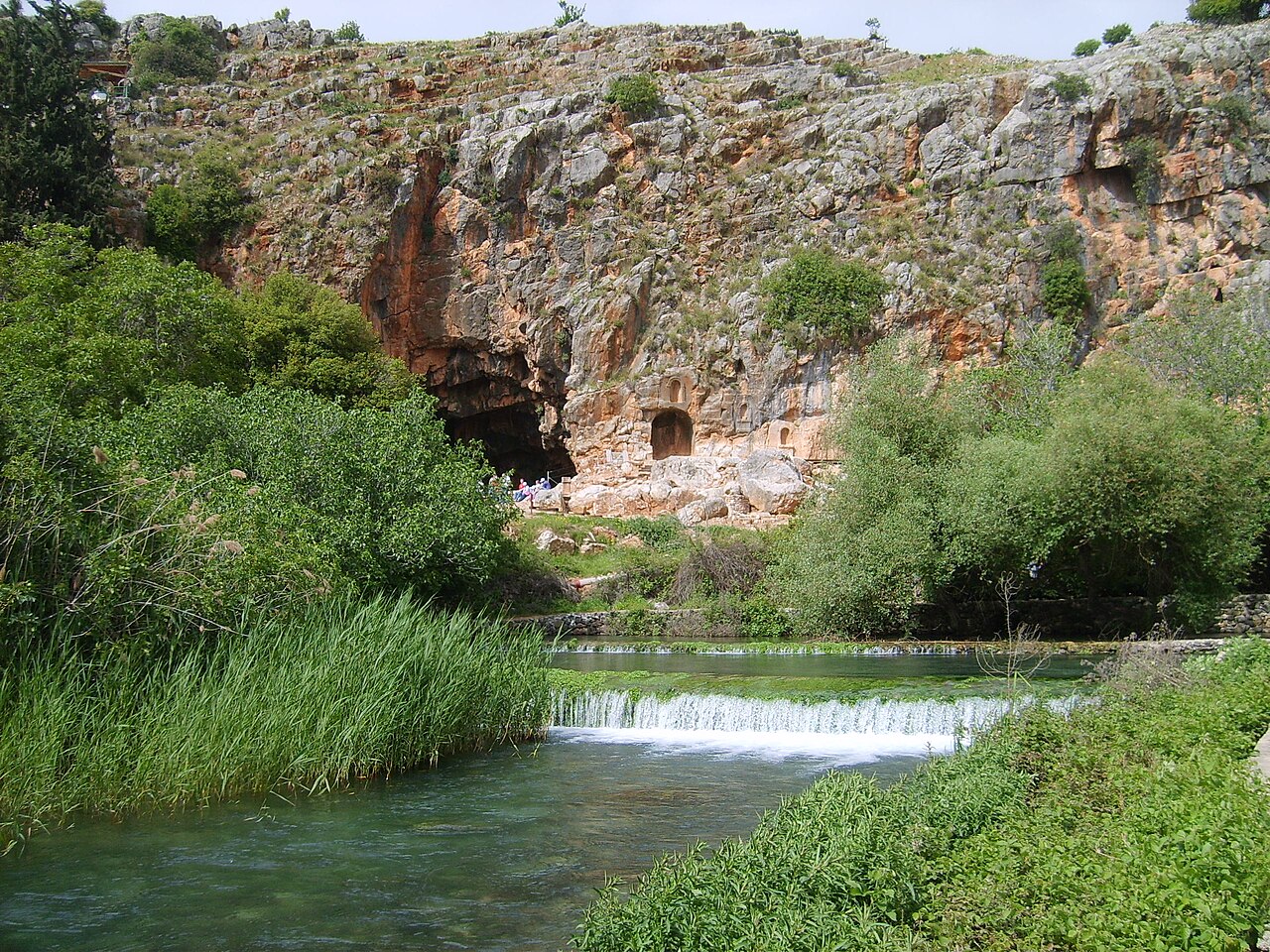
- The Spring & Cave of Pan
Upper entrance → Sanctuary of Pan
Paved path and rock terrace
Begin at the great cliff-face cave from which the Hermon Stream once burst, sacred in antiquity to the Greek god Pan. Along the 80-metre natural terrace you can still read the carved niches that once held statues and the ruins of the temples of the Pan sanctuary. Allow about 45 minutes.
- The suspended (hanging) trail
Sanctuary of Pan → Riverside boardwalk
Suspended boardwalk over the river
Follow the stream onto the famous hanging trail — about 100 metres of boardwalk pinned to the basalt cliff with the cold, fast river roaring just below your feet. It threads the shaded gorge past pools and rapids. About 40 minutes at an easy pace.
-
 Agrippa's palace & Roman Banias
Riverside boardwalk → Palace ruins
Dirt paths among ruins
Reach the excavated remains of the Roman city of Caesarea Philippi, capital of Philip the Tetrarch, including the grand palace attributed to King Agrippa II. This was a real city on the Roman road, and its walls, halls and streets still trace its plan. About 45 minutes.
About this place
Banias, also spelled Banyas, is a site in the Israeli-occupied Golan Heights, Syria near a natural spring, once associated with the Greek god Pan. It had been inhabited for 2,000 years, until its Syrian population fled and their homes were destroyed by Israel following the 1967 Six-Day War. It is located at the foot of Mount Hermon, north of the Golan Heights, the classical Gaulanitis, in the part occupied by Israel. The spring is the source of the Banias River, one of the main tributaries of the Jordan River. Archaeologists uncovered a shrine dedicated to Pan and related deities, and the remains of an ancient city dating from the Hellenistic and Roman periods.
Read more on Wikipedia Photo: gugganij · CC BY-SA 3.0 - The Banias Waterfall
Palace ruins → Waterfall viewing deck
Forest path to viewing deck
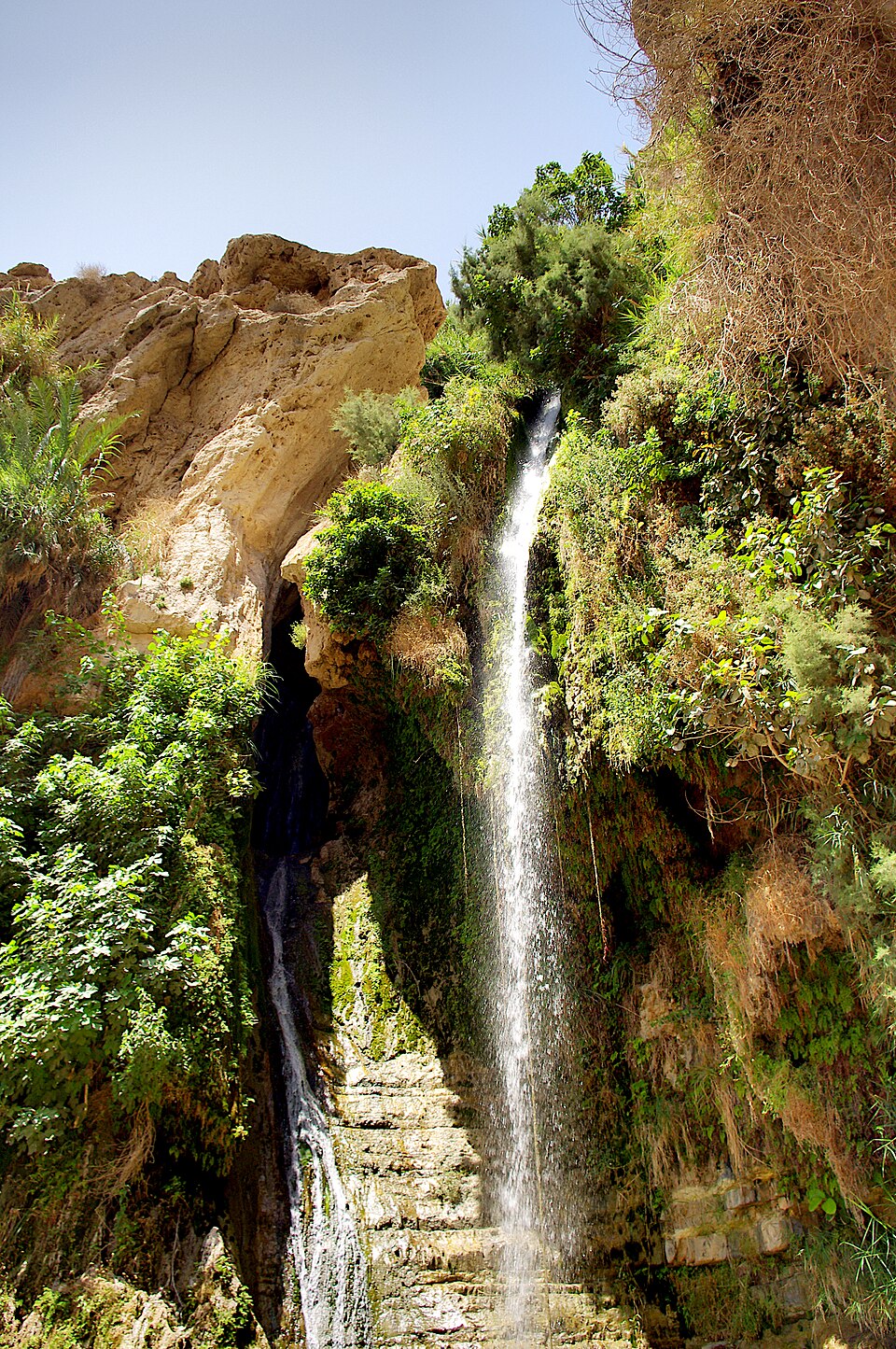
Finish at the Banias Waterfall, at about 10 metres the largest in Israel, where the full force of the stream crashes into a pool below a wooden viewing deck. In winter and spring the spray drifts over everyone who stands to watch. About 30 minutes down to the falls.
Comments
Sign in to join the conversation.
No comments yet — be the first.