
Blog
How to prepare for a multi-day trek
In short
Pick a route that matches the walking you already do, train for 8 to 12 weeks with back-to-back days and your full pack, book the hardest nights first, pack around 7 to 9 kg for hut treks, start each day early and know your escape routes. The West Highland Way is a popular first trek.
Why a multi-day trek is different
A day hike forgives a lot. If your boots rub or the forecast turns, you are home by evening. On a multi-day trek, small problems add up. A blister on day one becomes a limp on day three, a wet sleeping layer stays wet, and a missed booking can leave you with nowhere to sleep. The good news is that almost all of this is solved before you leave home.
This guide covers how to choose a first trek, how to train, how to book, what to pack and how to pace the days. It uses three classic routes as examples: the Tour du Mont Blanc, the West Highland Way and the Laugavegur Trail.
Choose the right first trek
Start with a route that matches the walking you already do. Three questions help.
- How long is each day? A trek of 15 to 20 km a day on good paths is very different from 20 km with 1,000 metres of climbing.
- How remote is it? On some routes you pass a village with a shop every few hours. On others the nearest road is a day away.
- Where do you sleep? Hotels and guesthouses mean a light pack. Staffed huts mean a sleeping bag liner and a bit more. Camping means a tent, stove and food.
The West Highland Way is a popular first trek. It runs 154 km from Milngavie, on the edge of Glasgow, to Fort William, along Loch Lomond and across Rannoch Moor. There are villages, inns and campsites along the way, and baggage transfer services are widely used.
The Laugavegur Trail is shorter. Ferðafélag Íslands, the Icelandic touring association that runs the huts, describes it as a 55 km route from the rhyolite mountains of Landmannalaugar to Þórsmörk, most often hiked over four days. It is more remote, the weather changes fast, and you sleep in mountain huts or camp. FÍ says the trail is open on average from 25 June to 15 September, depending on snow and on when the highland roads open.
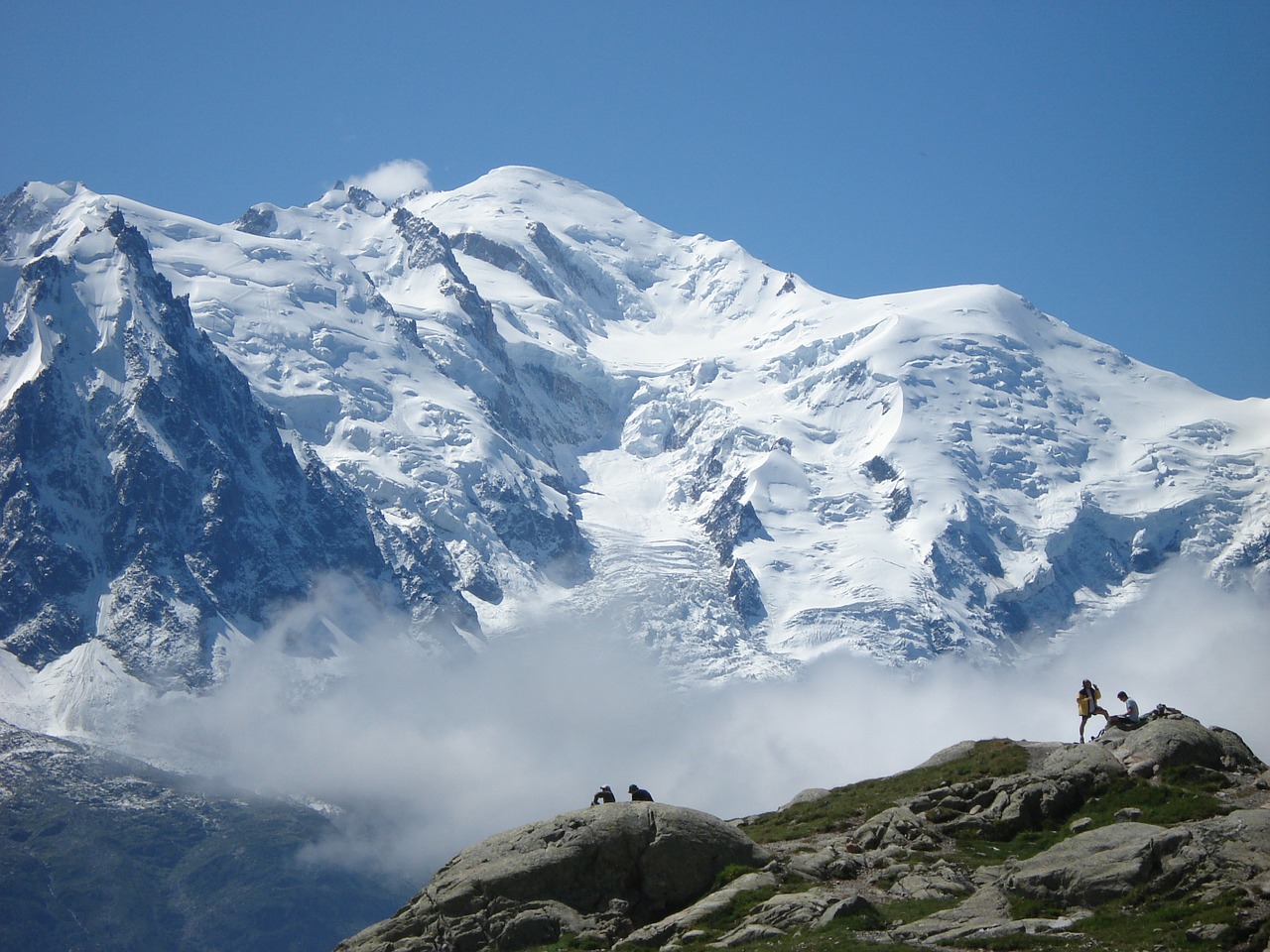
The Tour du Mont Blanc is the big step up. It loops about 170 km around the Mont Blanc massif through France, Italy and Switzerland, with long climbs to high passes every day. Our version samples the route in seven days. The season runs from mid-June to mid-September.
Train for the days, not the distance
The best training for a trek is walking, ideally on hills, with the pack you will carry.
- Build up over 8 to 12 weeks. Start with your normal walks and add distance and climbing gradually.
- Do back-to-back days. Two long walks on consecutive days teach you more than one very long walk. The second morning is the real test.
- Carry the real load. Train with your full pack for at least a few walks, so your shoulders and hips know what is coming.
- Practise descents. Long downhills are where knees and toes suffer. Walking poles help many people here.
- Wear the boots in. Never start a trek in new footwear. Walk at least 50 km in your boots first.
If you have a medical condition or have not done much exercise recently, talk to your doctor before you start training.
Book early, and know what you booked
On popular routes, beds sell out. Huts on the Tour du Mont Blanc and the Laugavegur Trail can be fully booked months ahead for July and August. On the West Highland Way, the smaller villages have only a few places to stay.
- Book the hardest nights first. These are the places with only one hut or inn.
- Check the cancellation rules. Many huts take a deposit, and some charge in full.
- Keep confirmations offline. Save them on your phone and carry a paper copy.
- Plan the start and finish. Know how you reach the trailhead and how you get home. Some buses run only in high season.
Pack light, but not too light
The aim is a pack that you can carry all day without thinking about it. For hut and hotel treks, many walkers aim for about 7 to 9 kg including water. Camping adds a lot more.
Everyone needs:
- Broken-in boots or trail shoes, and spare socks
- A waterproof jacket and trousers
- A warm layer, such as a fleece or light insulated jacket
- A hat and gloves, even in summer in the mountains
- Sun cream, sunglasses and a sun hat
- A first aid kit with blister plasters
- Navigation: a map, the route on your phone, and a power bank
- A head torch
- Water bottles or a bladder, and a way to treat water where needed
- Snacks for each day
For huts: a sleeping bag liner, light clothes for the evening, earplugs, cash and a small towel.
Leave behind: spare shoes you will not wear, full-size toiletries and “just in case” items you never used on your training walks.
Our day hike packing list covers the basics in more detail.
Pace each day
Most trekkers start too fast. A steady pace you can keep for hours beats a quick start and a slow afternoon.
- Start early. You walk in the cool hours, arrive before afternoon storms, and get the best beds.
- Eat and drink little and often. Do not wait until you feel hungry or thirsty.
- Take short breaks. Five minutes every hour keeps you fresher than one long stop.
- Look after your feet. Stop at the first hot spot and cover it. Air your feet at lunch.
- Know your escape routes. Most routes have places where you can leave by bus or road if the weather or your body says stop.
Weather and safety
Weather in the mountains can change quickly. On the Laugavegur Trail, strong wind, rain and cold can arrive even in summer, and river crossings can rise after rain. On the Tour du Mont Blanc, afternoon thunderstorms are common in summer, so plan to be off high passes by early afternoon. In Scotland, rain is part of the experience, and midges peak from June to August.
- Check the forecast every evening and again in the morning.
- Tell someone your plan and when you expect to finish.
- Carry the emergency number for each country. The European Commission says 112 works everywhere in the EU, including France and Italy. In Switzerland, the Federal Office of Communications lists 112 as the European emergency number, free of charge. In Iceland, 112 is the national emergency number.
- Turn back or wait if conditions are beyond you. The trail will still be there.
Plan with the route pages
Each route page on Waymark has the stages in order, the best months and a GPX file you can load into your phone. Use Plan to build your own itinerary, and see our guide on how to use a GPX file before you go.
After the trek
Rest for a day or two, keep moving gently, and note what you carried but never used. That list is the best preparation for your next trek.
Questions
- What is a good first multi-day trek?
- The West Highland Way is a popular choice: 154 km with villages, inns and baggage transfer along the way.
- How long should I train?
- About 8 to 12 weeks of gradually longer walks, including back-to-back days with your full pack.
- When should I book huts?
- For July and August on popular routes, book months ahead, starting with nights that have only one place to stay.
Sources
Routes in this post
- Photo: Hseugut · CC BY-SA 4.0Trek France, Italy, Switzerland
Tour du Mont Blanc
A circular alpine classic looping 170 km around the Mont Blanc massif through France, Italy and Switzerland.
- Duration
- 7 days
- Distance
- 170 km
- Difficulty
- Hard
-
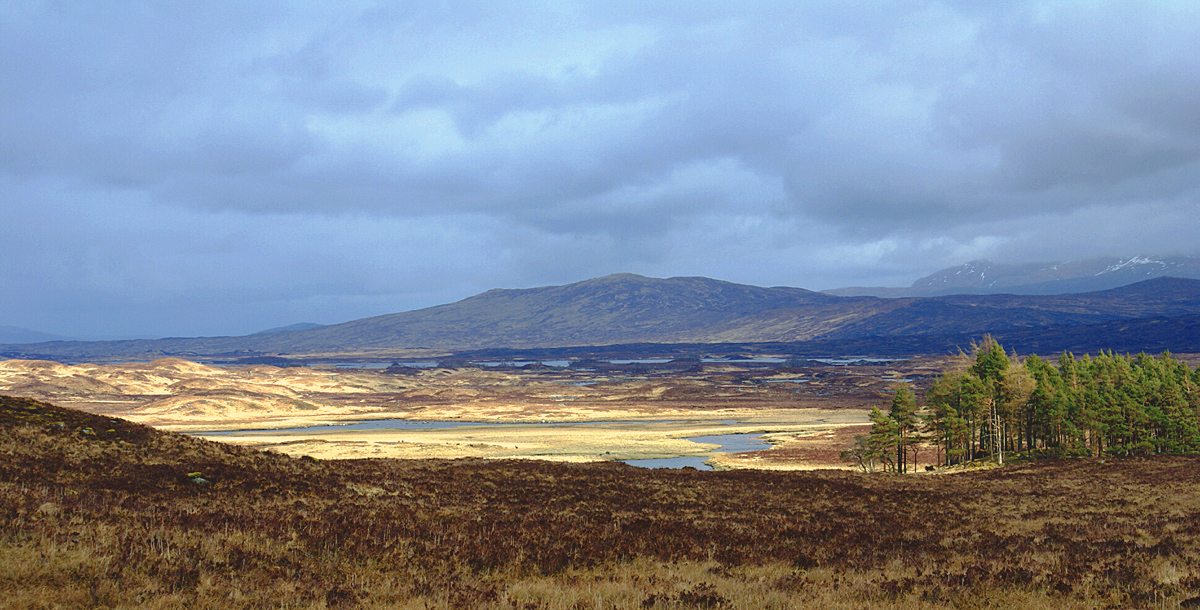 Photo: Mogens Engelund · CC BY-SA 3.0Trek United Kingdom
The West Highland Way: Milngavie to Fort William
Scotland's best-loved long-distance walk — 154 km from the edge of Glasgow along Loch Lomond, across the wilds of Rannoch Moor and through Glen Coe to Fort William beneath Ben Nevis.
- Duration
- 7 days
- Distance
- 154 km
- Difficulty
- Moderate
-
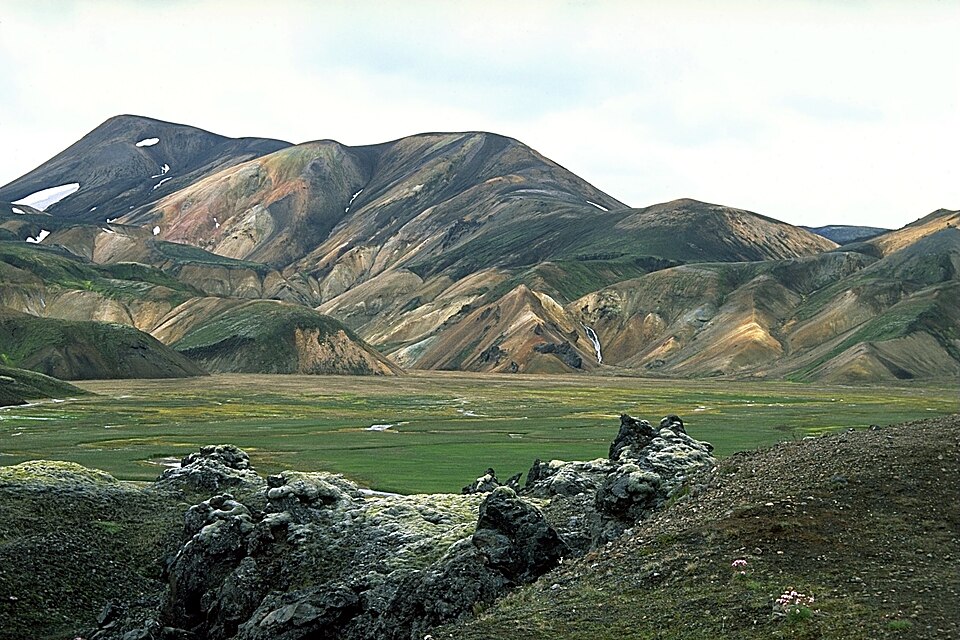 Photo: Andreas Tille · CC BY-SA 4.0Trek Iceland
The Laugavegur Trail — Landmannalaugar to Þórsmörk
Four days across Iceland's southern highlands, from the rhyolite mountains and hot springs of Landmannalaugar over an obsidian plateau and black-sand deserts to the birch woods of Þórsmörk.
- Duration
- 4 days
- Distance
- 55 km
- Difficulty
- Moderate