
Blog
National park passes explained
In short
In the US, the America the Beautiful annual pass costs $80 for residents and $250 for nonresidents. Nonresidents aged 16 and over now pay a $100 extra fee at 11 parks, including Grand Canyon, Yosemite and Zion, unless they hold a pass. In Canada, the Discovery Pass covers more than 80 Parks Canada places for 12 months.
Why passes are worth understanding
National park fees can be confusing. Some parks charge per vehicle, some per person, some nothing at all, and the rules for visitors from abroad can be different from the rules for residents. A few minutes of planning can save you money and a long queue at the gate. This guide explains the main passes in the United States and Canada, and what they do and do not cover.
Prices and rules change, so always check the official pages before you travel. The figures below were checked on the official sites in October 2026.
The United States: America the Beautiful
The US National Park Service says that most of the sites it manages are free to visit, but some require an entrance pass. At the busy western parks, an entrance fee is normal. The main option for frequent visitors is the America the Beautiful pass, which covers entrance fees at national parks and other federal recreation lands.
According to the National Park Service, the main annual passes are:
- Resident Annual Pass: $80, for US citizens and residents.
- Non-Resident Annual Pass: $250, for visitors who are not US residents.
- Senior passes: $20 a year or $80 for life, for US citizens and residents aged 62 and over.
- Military passes: free for current US military and their dependents, with lifetime passes for some groups.
A pass usually covers one private vehicle and its passengers, or the pass holder plus three adults where fees are charged per person.
The nonresident fee at 11 parks
This is the change most international visitors need to know about. At 11 national parks, nonresidents aged 16 and over must now pay a $100 nonresident fee on top of the regular entrance fee, unless they enter with an annual or America the Beautiful pass. The parks named by the National Park Service are Acadia, Bryce Canyon, Everglades, Glacier, Grand Canyon, Grand Teton, Rocky Mountain, Sequoia and Kings Canyon, Yellowstone, Yosemite and Zion.
Several of our most popular routes are in these parks:
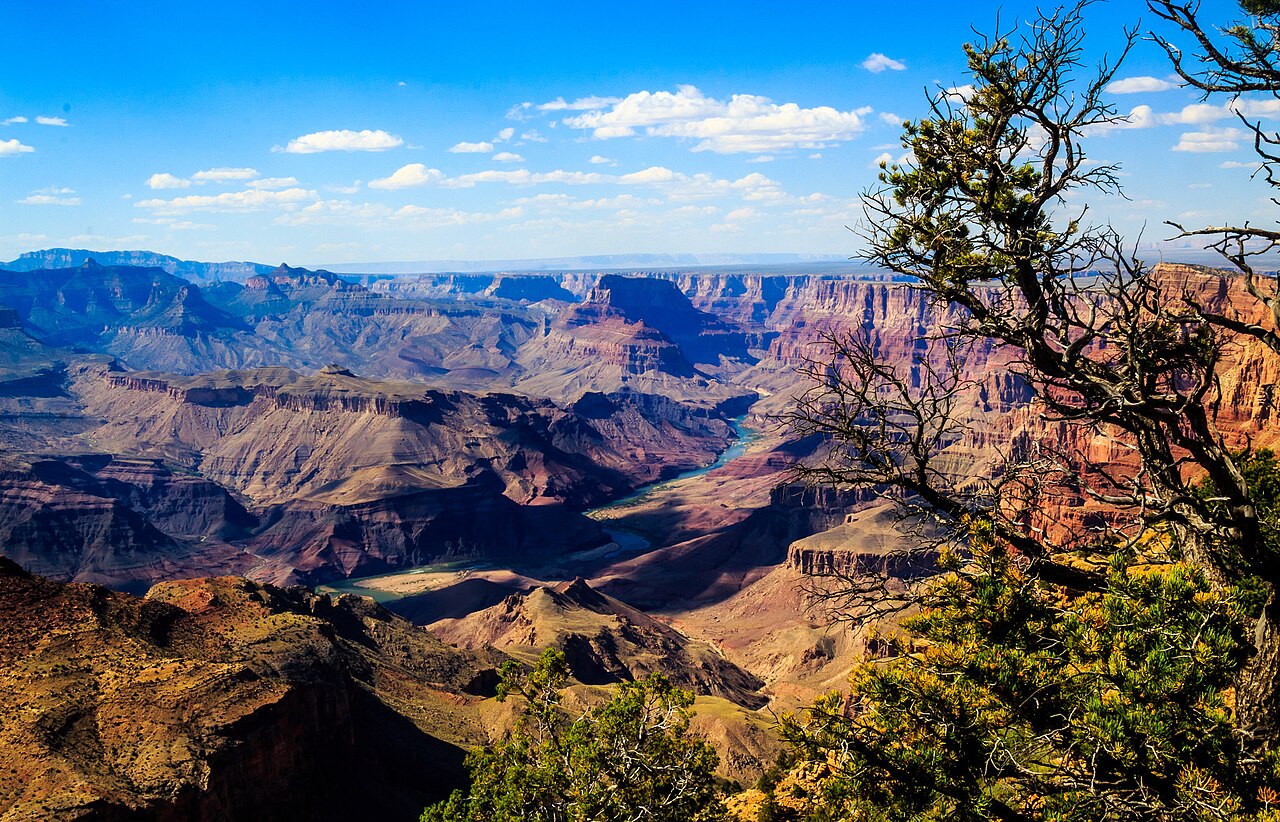
- Grand Canyon Rim-to-Rim
- Yosemite’s Mist Trail
- The Narrows in Zion
- The Upper Geyser Basin in Yellowstone
The Non-Resident Annual Pass covers the entrance fee and any nonresident fees for the pass holder and passengers in a private vehicle. If you are visiting from abroad and plan to see even two of these parks, the $250 pass is likely to cost less than paying at each gate. Do the sums for your own trip, and remember that the pass is signed by the holder and is not transferable.
Free entrance days
The National Park Service runs a number of free entrance days each year. The 2026 dates were 16 February, 25 May, 14 June, 3 to 5 July, 25 August, 17 September, 27 October and 11 November. We checked this point again against the NPS page: beginning in 2026, free entrance on these days is for US citizens and residents only. Nonresidents pay the regular entrance fee and any nonresident fees unless they hold the Non-Resident Annual Pass.
Timed entry and permits are separate
A pass pays the entrance fee. It does not always get you in. Some parks use timed entry or reservation systems in busy seasons, and many popular hikes need a separate permit. Overnight trips into the backcountry, such as camping in the inner canyon on a rim-to-rim crossing, need a backcountry permit. Check each park’s own page for reservations and permits as soon as you know your dates.
Canada: the Parks Canada Discovery Pass
In Canada, the equivalent is the Parks Canada Discovery Pass. Parks Canada says it gives unlimited admission for 12 months at more than 80 Parks Canada destinations, including national parks, national marine conservation areas and national historic sites. It is a good choice if you plan to visit several Parks Canada places in a year, for example Banff and Jasper on the same trip.
Rouge National Urban Park, on the edge of Toronto, is managed by Parks Canada and is Canada’s first national urban park. Check the Parks Canada page for current admission and parking details before you go.
Provincial parks are different
This catches many visitors out. Not every park called “national” in Canada is run by Parks Canada. In Quebec, the parks named “parc national” are provincial parks run by the Quebec government agency Sépaq, and the Discovery Pass does not cover them. Jacques-Cartier National Park, with its glacial valley and the Les Loups trail, is one of these. You pay a separate daily access fee or buy a Sépaq pass.
Other provinces also have their own park systems and their own fees. If a park website does not end in parks.canada.ca, assume your Discovery Pass does not apply.
Parks elsewhere
Outside North America, most parks sell tickets at the gate or online, with no national pass. Some popular parks now ask you to book a time slot in high season. At Plitvice Lakes in Croatia, for example, booking ahead in summer is strongly advised. Check the official park site, not a reseller.
A quick checklist
- List the parks on your trip and check who manages each one.
- Check whether you are a resident or nonresident for fee purposes.
- Compare the annual pass price with the gate fees you would pay.
- Check for timed entry, reservations and permits separately.
- Carry your pass and photo ID, and keep a photo of the pass on your phone.
- Recheck the official pages close to your trip, because fees change.
Plan your park trip
Each route page shows the best months to walk, the stops in order and a GPX file. Use Plan to build a trip around several parks, and see best hikes by month to pick the right season. If you are heading into a hot canyon, read our guide to hiking in the heat too.
Questions
- Is the Non-Resident Annual Pass worth it?
- If you visit two or more of the 11 parks with the $100 nonresident fee, it is likely to cost less than paying at each gate.
- Do free entrance days apply to tourists?
- No. The National Park Service says that beginning in 2026, free entrance on these days is for US citizens and residents only. Nonresidents pay the regular entrance fee and any nonresident fees.
- Does the Discovery Pass cover Quebec national parks?
- No. Quebec's parcs nationaux are run by Sépaq and have their own fees.
Sources
Routes in this post
-
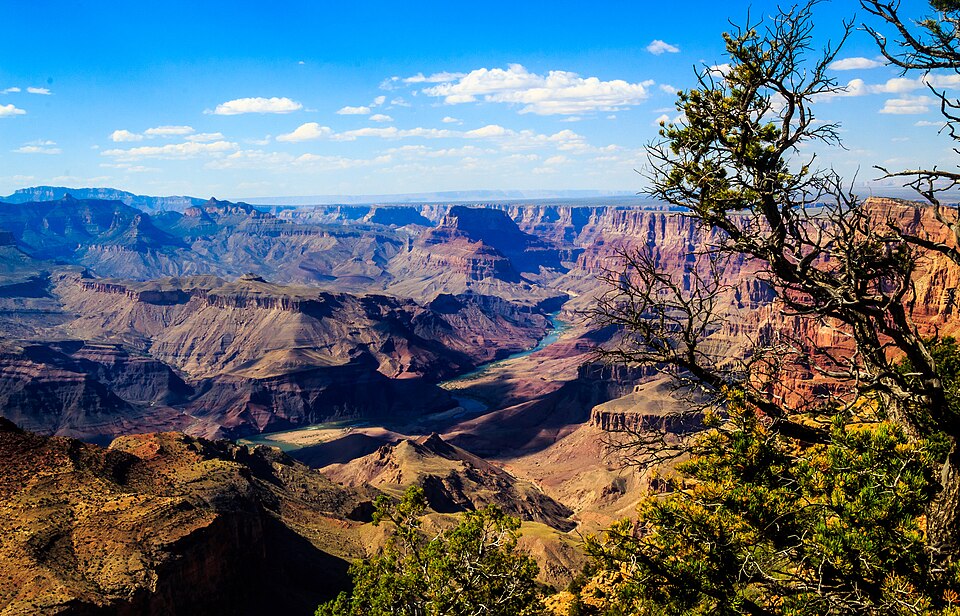 Photo: Lennart Sikkema · CC BY 3.0Trek USA
Grand Canyon Rim-to-Rim — North Kaibab to Bright Angel
The classic crossing of the Grand Canyon: down the North Kaibab Trail from the cool, forested North Rim to the Colorado River at Phantom Ranch, then up the Bright Angel Trail to the South Rim.
- Duration
- 3 days
- Distance
- 38 km
- Difficulty
- Hard
-
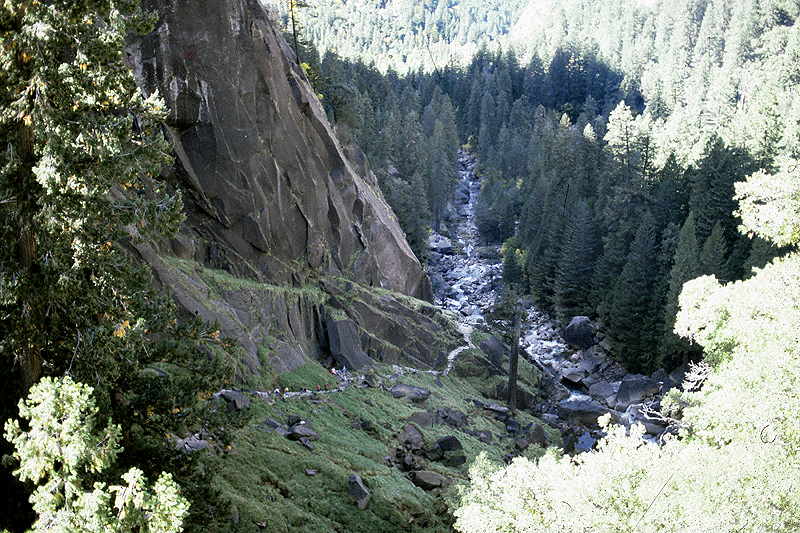 Photo: TFNorman · Public domainTrek USA
Yosemite's Mist Trail: Vernal & Nevada Falls
One of Yosemite's greatest day hikes — a steep granite staircase drenched in waterfall spray, climbing past Vernal Fall to the top of Nevada Fall and looping back on the John Muir Trail.
- Duration
- 1 day
- Distance
- 11 km
- Difficulty
- Hard
-
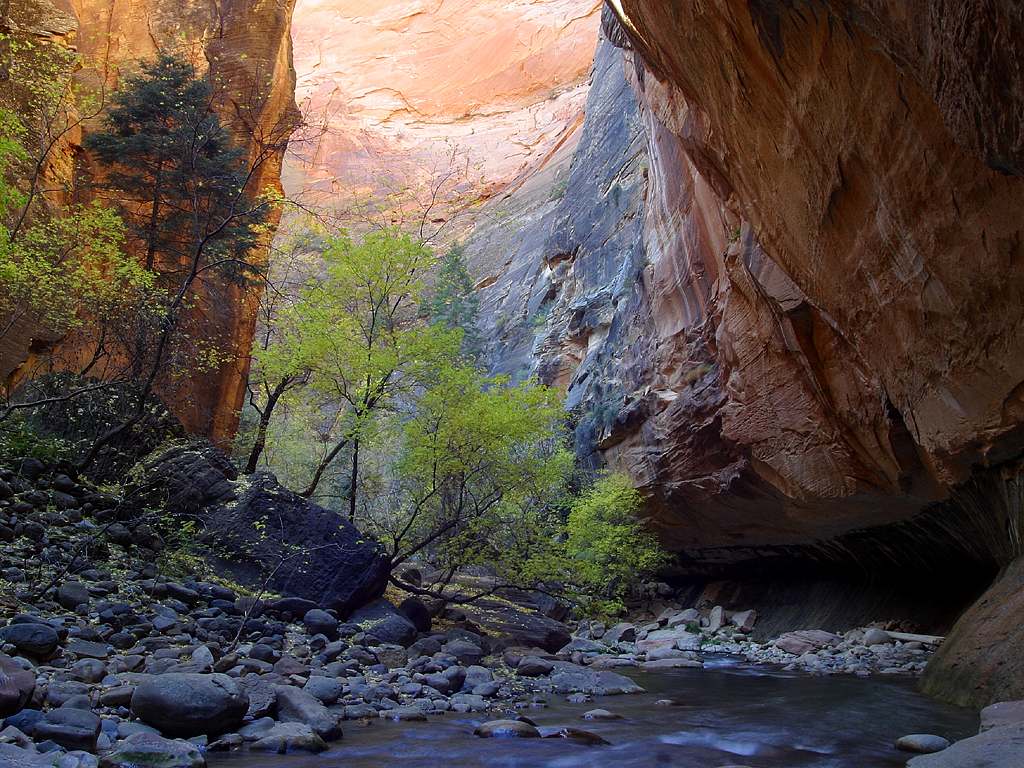 Photo: Jon Sullivan · Public domainTrek USA
The Narrows — Bottom-Up Day Hike
A one-day out-and-back wade up the Virgin River from the Temple of Sinawava, through the towering Wall Street slot canyon to Big Spring and back.
- Duration
- 1 day
- Distance
- 14 km
- Difficulty
- Moderate
-
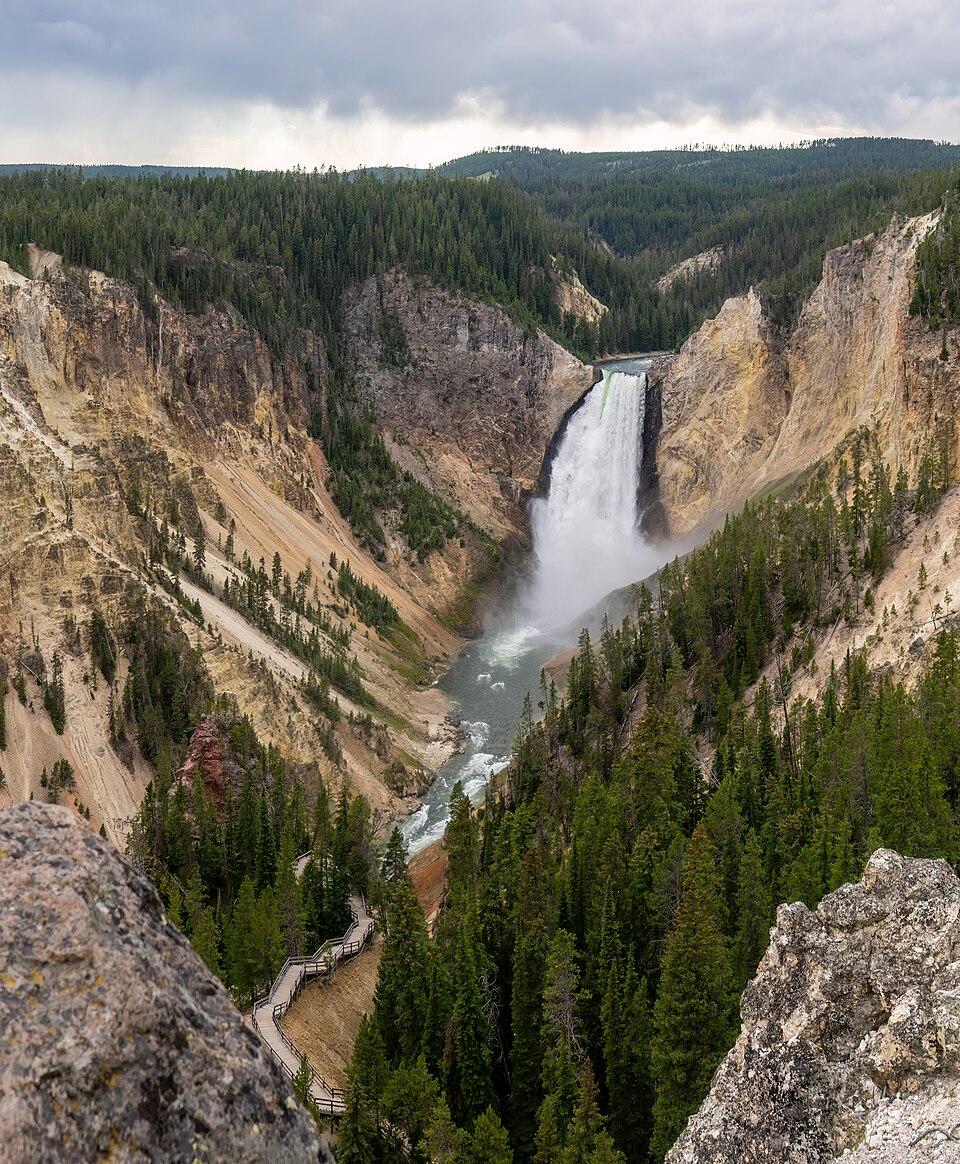 Photo: Rhododendrites · CC BY-SA 4.0Trek USA
The Upper Geyser Basin Boardwalk Walk
An easy day on the boardwalks of the Upper Geyser Basin — Old Faithful, the Castle, Grand and Riverside geysers, Morning Glory Pool, and a loop through Black Sand Basin.
- Duration
- 1 day
- Distance
- 8 km
- Difficulty
- Easy
-
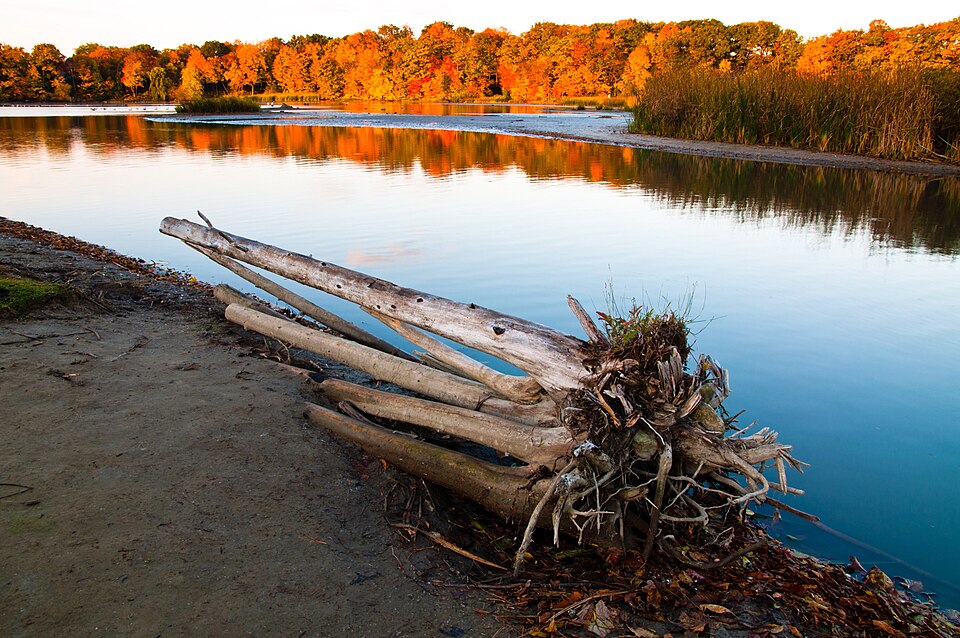 Photo: Eddar27 · CC BY-SA 4.0Trek Canada
Rouge National Urban Park: Vista and Mast Trails
Canada's first national urban park on foot: up to the Vista Trail's viewing platform over two river valleys, then the old Mast Trail through Carolinian forest to Glen Rouge and back.
- Duration
- 1 day
- Distance
- 7.2 km
- Difficulty
- Moderate
-
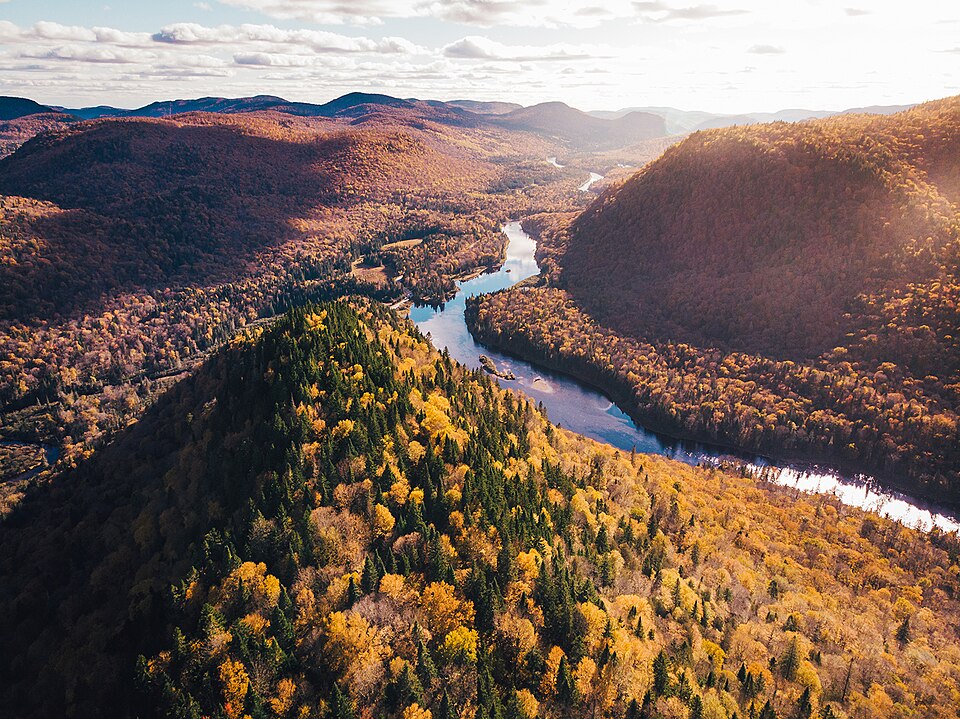 Photo: Clementp.fr · CC BY-SA 4.0Trek Canada
Jacques-Cartier National Park: The Les Loups Trail
A day hike from Quebec City into a glacial valley 550 metres deep, climbing the Les Loups trail to two cliff-edge lookouts over the Jacques-Cartier River.
- Duration
- 1 day
- Distance
- 11 km
- Difficulty
- Moderate
-
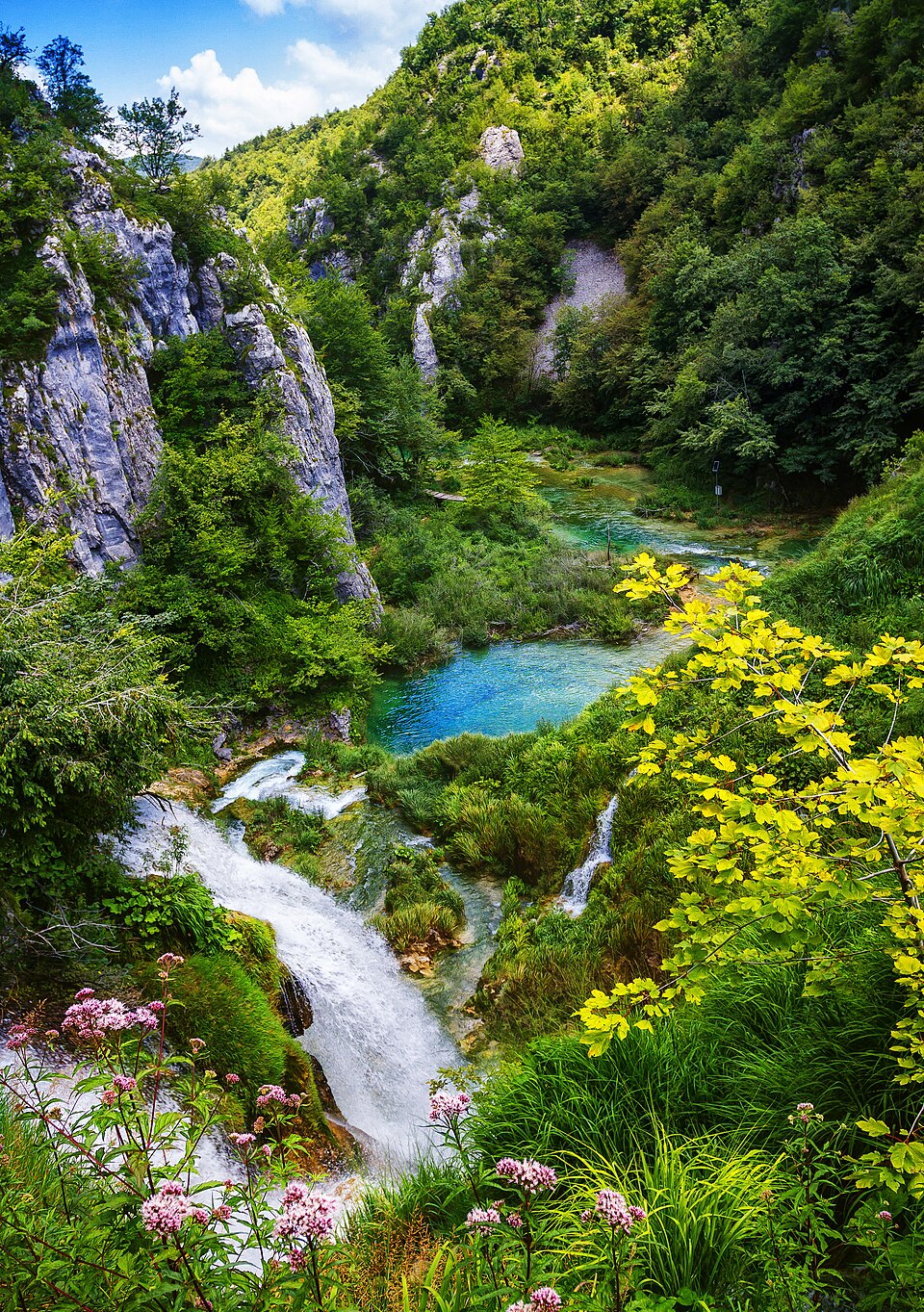 Photo: Zysko serhii · CC BY-SA 4.0Trek Croatia
Plitvice Lakes: The Full Traverse
One day walking the length of Croatia's oldest national park on boardwalks laid across sixteen terraced turquoise lakes, with an electric boat over Kozjak and the 78-metre Veliki Slap at the end.
- Duration
- 1 day
- Distance
- 18 km
- Difficulty
- Easy