
Blog
Hiking in the heat: how to plan, what to carry and warning signs
In short
Choose the right season first, start at first light and rest through the hottest hours. Sip water often and eat salty snacks, keep your clothes wet to cool down, and know the signs of heat exhaustion. Heatstroke, with hot dry skin and confusion, is an emergency.
Heat is the hazard you can plan around
Of all the risks on a walk, heat is one of the most predictable. You know the forecast, you know where the shade is, and you know when the sun is highest. Yet heat illness is one of the most common reasons walkers need help, from desert canyons to Mediterranean coast paths in July. This guide explains how to plan a hot-weather walk, what to carry, and how to recognise and treat heat exhaustion before it becomes an emergency.
Know the numbers for your route
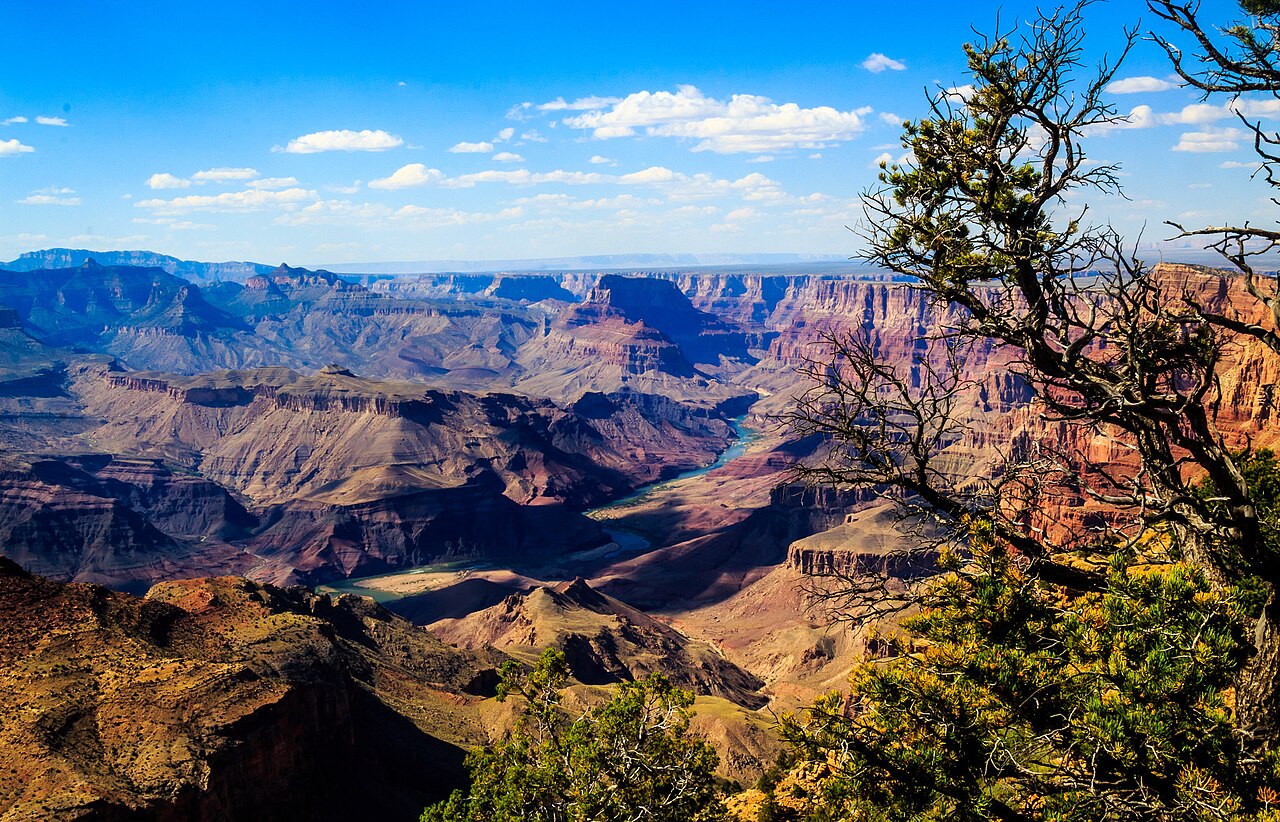
Some routes are famous for heat. At the Grand Canyon, the National Park Service warns that daytime summer temperatures in the inner canyon can exceed 110°F (43°C), and strongly discourages attempting exposed routes during the heat of the day, from 10 a.m. to 4 p.m. It also warns that rescue may be delayed in extreme heat, because helicopters are limited. That is why our Grand Canyon Rim-to-Rim route page recommends late spring and early autumn.
Closer to the Mediterranean, the same pattern holds. Ein Gedi by the Dead Sea and Timna Park in the Arava are best from October to April, and their route pages warn about the summer heat. Southern European cities such as Seville and Granada are fierce in high summer, and coast paths such as the Path of the Gods are best avoided in midsummer.
Check the route page’s best season first. If you must walk in summer, change the plan, not just the water bottle.
Plan the day around the sun
- Start at first light. The coolest hours are early morning. On hot routes, aim to finish before late morning.
- Rest through the middle of the day. If the walk is long, find deep shade or go indoors from late morning to late afternoon, then continue in the evening.
- Choose shade and water. Forested valleys, north-facing slopes and routes along rivers are cooler. The Banias in northern Israel, for example, is mostly flat and well shaded, which makes it a rare summer-friendly walk.
- Shorten the route. Heat makes everything harder. Plan a shorter day than you would in spring, and set a turnaround time.
- Check for heat warnings. Many countries issue heat alerts; take them seriously.
Give your body time to adjust
If you arrive from a cool climate, your body needs several days to adjust to heat. Plan the easiest walks for the first days of the trip, keep them short, and build up. Pre-existing medical conditions can also be made much worse by extreme heat, as the Grand Canyon rangers point out, so check with your doctor before a hot-weather trip if this applies to you.
Drink and eat salt
The National Park Service at the Grand Canyon advises sipping water regularly throughout the hike, even if you do not feel thirsty, and replacing lost electrolytes by eating salty snacks, which help the body retain fluids. The same page says inner canyon rangers list pretzels, Pringles, chips and cheese crackers among their favourite salty snacks.
- Carry more water than you think you need, and know where you can refill.
- Drink small amounts often rather than large amounts rarely.
- Eat salty snacks along the way, or use electrolyte tablets or drinks.
- Do not save water for later. Water in the bottle does not help you.
Cool your body
At the Grand Canyon, rangers recommend staying soaked: wetting your shirt, hat or a bandana in streams and letting evaporation cool you. It is one of the simplest and most effective ways to manage heat on a dry day. Wear light-coloured, loose clothing that covers your skin, a wide-brimmed hat and sunglasses, and use sunscreen.
Recognise heat exhaustion
The NHS lists the symptoms of heat exhaustion as tiredness, dizziness, headache, feeling sick or being sick, excessive sweating with pale, clammy skin, cramps in the arms, legs and stomach, a high temperature, being very thirsty and feeling irritable. The symptoms are often the same in adults and children.
If someone in your group shows these signs, the NHS advises four steps:
- Move them to a cool place.
- Remove unnecessary clothing.
- Give them plenty of water, or a sports drink or rehydration solution.
- Cool their skin with water and fan them. Cold packs under the armpits or on the neck help too.
They should start to cool down and feel better within 30 minutes.
Heatstroke is an emergency
Heatstroke is more serious. The NHS lists its symptoms as a very high temperature, hot skin without sweating, fast breathing and a fast heartbeat, confusion and restlessness, a seizure or loss of consciousness. Heatstroke is a medical emergency: call for help immediately, and keep cooling the person while you wait.
Children and heat
Children heat up faster and may not tell you they feel unwell. Watch for irritability, flushed faces and fatigue, keep them in the shade, and make them drink at every stop. Choose short, shaded walks with water, such as the Banias, rather than exposed desert routes in summer.
A hot-day checklist
- Check the route’s best season and the day’s forecast.
- Start at first light and plan to finish before the heat.
- Carry extra water and salty snacks.
- Wear a hat, light clothing and sunscreen.
- Know the signs of heat exhaustion and heatstroke.
- Tell someone your plan and your expected return.
For a full packing list, see our day hike packing list, and for routes by season, the best walks by month.
Questions
- When is it too hot to hike in the Grand Canyon?
- The park strongly discourages exposed inner-canyon routes between 10 a.m. and 4 p.m. in summer, when temperatures can exceed 43°C.
- What are the signs of heat exhaustion?
- Tiredness, dizziness, headache, nausea, heavy sweating with pale clammy skin, cramps, high temperature and strong thirst.
- Why eat salty snacks?
- Sweat removes salts as well as water. Salty snacks help the body keep fluids and stay in balance.
Sources
Routes in this post
-
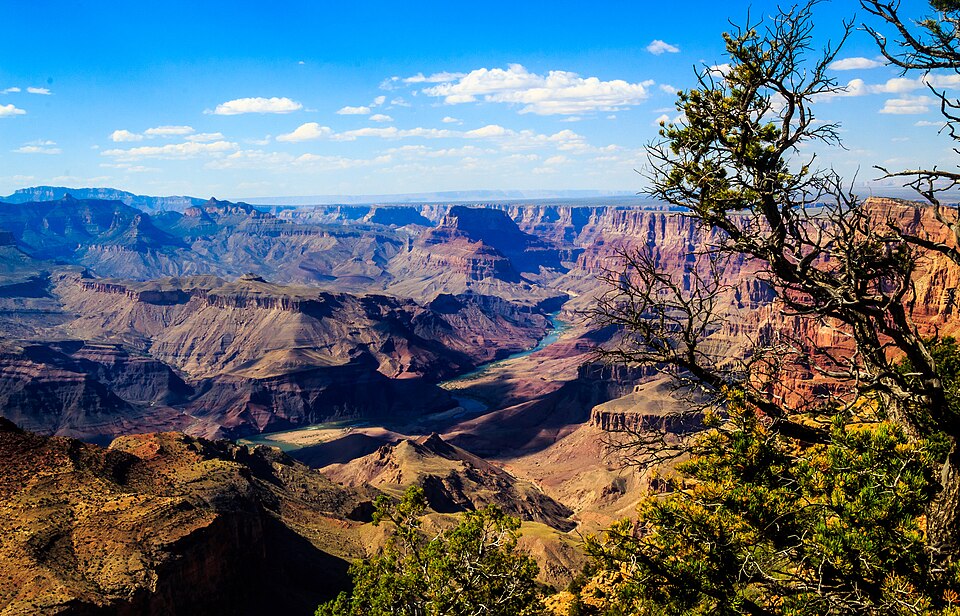 Photo: Lennart Sikkema · CC BY 3.0Trek USA
Grand Canyon Rim-to-Rim — North Kaibab to Bright Angel
The classic crossing of the Grand Canyon: down the North Kaibab Trail from the cool, forested North Rim to the Colorado River at Phantom Ranch, then up the Bright Angel Trail to the South Rim.
- Duration
- 3 days
- Distance
- 38 km
- Difficulty
- Hard
-
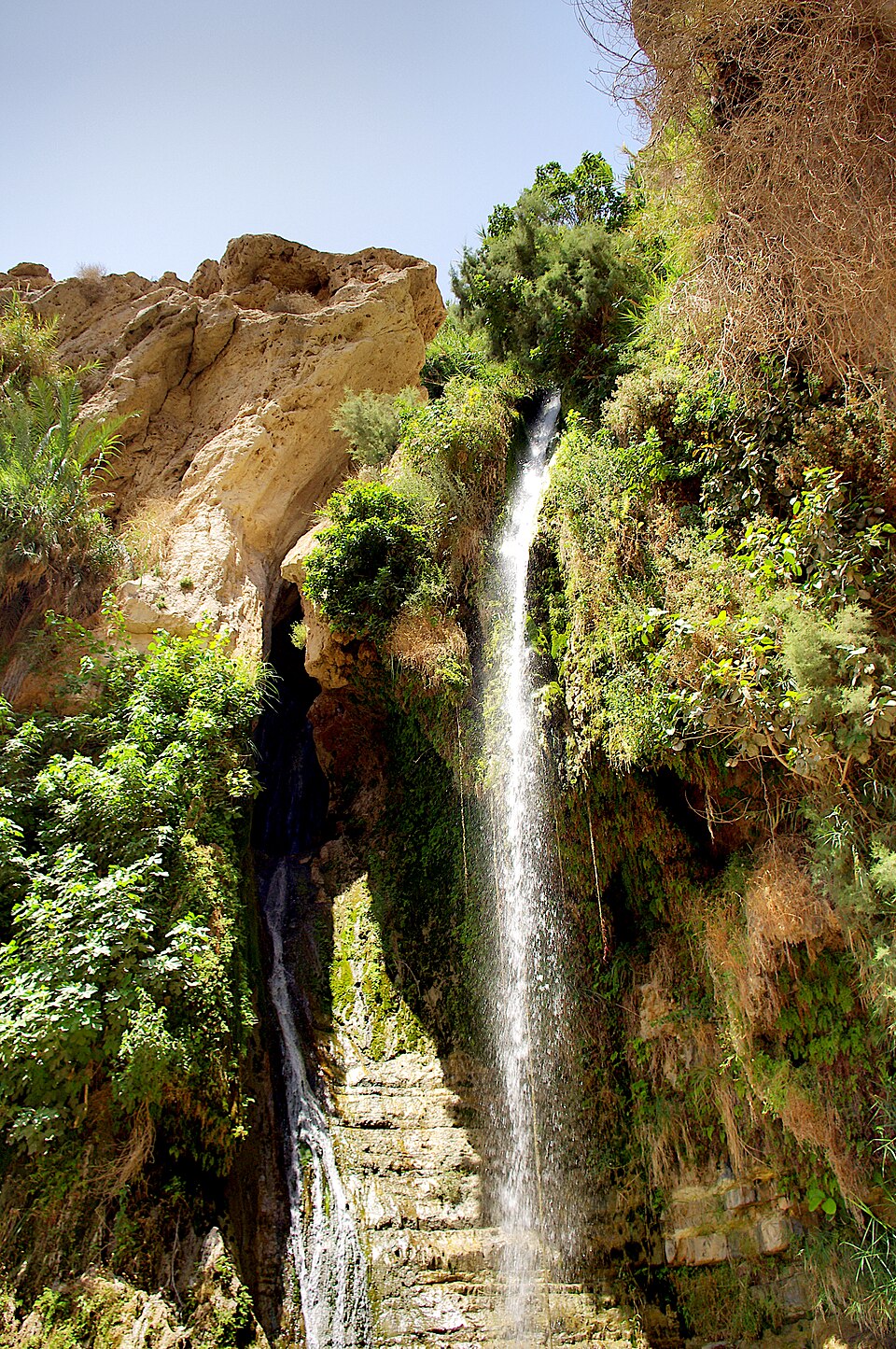 Photo: Jan Helebrant · CC0Trek Israel
Ein Gedi Nature Reserve: Nahal David and the David Waterfall
A short, water-rich hike up a desert canyon to the David Waterfall, then higher to a hidden cave, a spring and a 5,000-year-old temple above the Dead Sea.
- Duration
- 1 day
- Distance
- 4 km
- Difficulty
- Easy
-
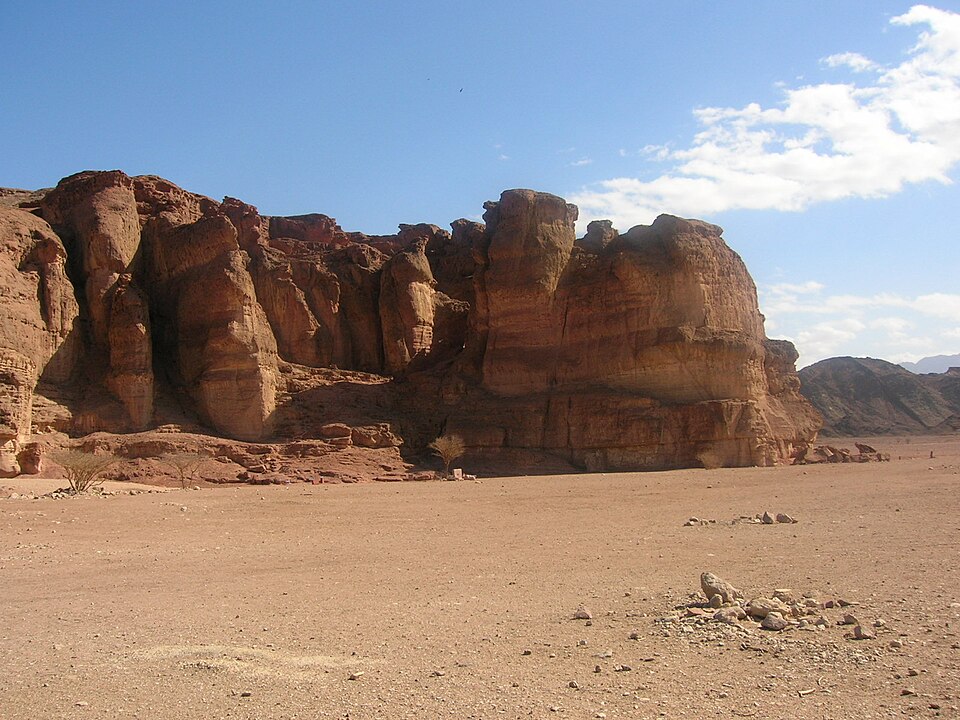 Photo: Little Savage · Public domainTrek Israel
Timna Park — Copper, Sandstone and Solomon's Pillars
A full day threading the red sandstone of the southern Negev: the Mushroom, the Arches, ancient Egyptian copper mines and rock carvings, and the towering Solomon's Pillars.
- Duration
- 1 day
- Distance
- 10 km
- Difficulty
- Moderate
-
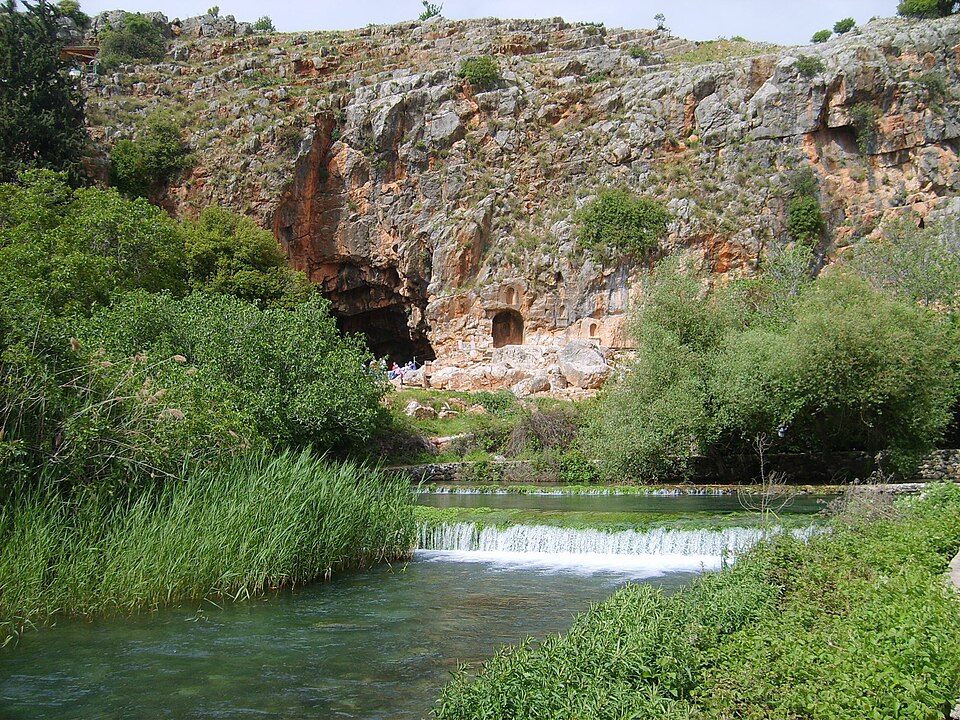 Photo: gugganij · CC BY-SA 3.0Trek Israel
The Banias: Spring of Pan to the Waterfall
An easy day through the Hermon Stream reserve — from the cave and spring of Pan along a suspended riverside trail past Roman palace ruins to Israel's largest waterfall.
- Duration
- 1 day
- Distance
- 4 km
- Difficulty
- Easy