Alta Via 1 — The Classic Dolomites High Route
Practical, route-specific tips and insights for Alta Via 1 — The Classic Dolomites High Route.
Packing list
Filled in for this route from the kit a walk like this needs and the gear its tips mention. Tick things off as you pack.
Sleeping & booking
-
Book rifugios ahead — and pack the dorm kit
The rifugios open roughly late June to late September, half board (dinner, bed, breakfast) is the standard play, and for July–August the popular huts fill months ahead — repeat walkers book the whole chain in winter, because one full hut breaks the entire itinerary. Bring cash, earplugs and a sleeping-bag liner — the three things every AV1 walker wishes they’d packed.
-
There is no tent option — the huts are the only legal beds
The AV1 crosses nature parks where wild camping and bivouacking are forbidden, and there are no campsites along the high route. That’s not a hardship, it’s the design: the rifugio chain is the accommodation system, so plan the route as a series of confirmed beds rather than hoping to improvise.
Safety
-
Start early to dodge the afternoon storms
Weather turns fast at altitude and afternoon thunderstorms are a Dolomites signature. Leave at first light, aim to be off the exposed passes by early afternoon, and check the forecast at each hut before committing to the next stage.
Gear & packing
-
A headtorch and poles earn their weight
The descent through the Lagazuoi war tunnels is dark enough to need a headtorch, and the long stony descents punish knees — trekking poles pay for themselves by day two.
Local insights
-
You're walking through a WWI front line
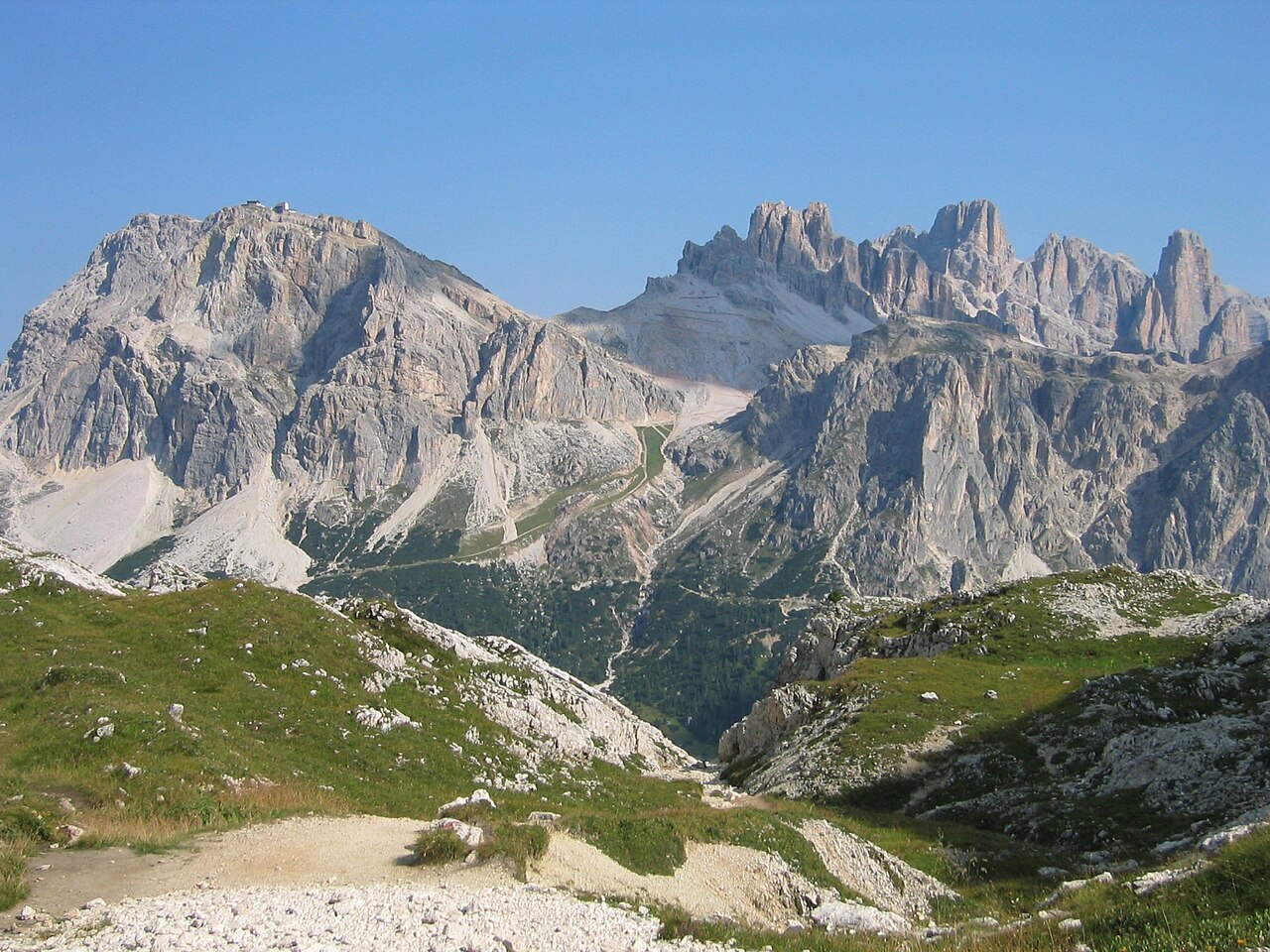
Lagazuoi and Cinque Torri are open-air museums of tunnels and trenches from the First World War’s mountain front. Build in an hour to explore them — it’s the most haunting history on any alpine trail.
-
Nuvolau is the sunrise worth building the plan around
Rifugio Nuvolau, perched alone on its summit near Cinque Torri, is the oldest hut in the Dolomites and its 360-degree dawn — Tofane, Civetta, Marmolada catching first light — is the single best photograph on the AV1. It’s small, so if you want that sunrise, reserve this specific hut early and shape the stages around it.
Getting there
-
Braies in, Belluno out
The northern trailhead at Lago di Braies is reached by bus from Dobbiaco/Toblach (connections from Bolzano and Cortina). The route ends near Belluno, with trains and buses on to Venice — a one-way traverse with genuinely easy logistics at both ends.
-
The Lagazuoi cable car is the honest escape hatch
From Rifugio Lagazuoi — the highest sleep on the route — a cable car drops to Passo Falzarego in minutes, and buses run from the pass toward Cortina. Second-time walkers use it without shame: to skip a stage on a storm day, to shortcut tired legs, or to slot a rest day in Cortina into the middle of the traverse.
Best time to go
-
Late June to September, once the passes clear
The season is set by the rifugios opening and the high passes shedding snow. Early July still finds snow patches on north-facing slopes; September brings quieter huts and sharper light.
Water & food
-
Refill at every rifugio
Reliable water between huts is scarce on the limestone plateaus — karst country swallows streams. Fill up at each rifugio and carry at least two litres on the longer stages. One wrinkle worth knowing: some huts collect rainwater and post their taps as non potabile, so ask when you arrive and be ready to buy or treat.
Navigation
-
The final day splits — decide before you get there
The classic ending over the Schiara massif is genuine via ferrata terrain, needing a kit and a head for exposure. Nearly everyone walking hut-to-hut takes the marked walkers’ variant instead, finishing at the La Pissa bus stop with a direct connection to Belluno. Choose your ending when you plan the trip, not standing at the junction.
You might also like
-
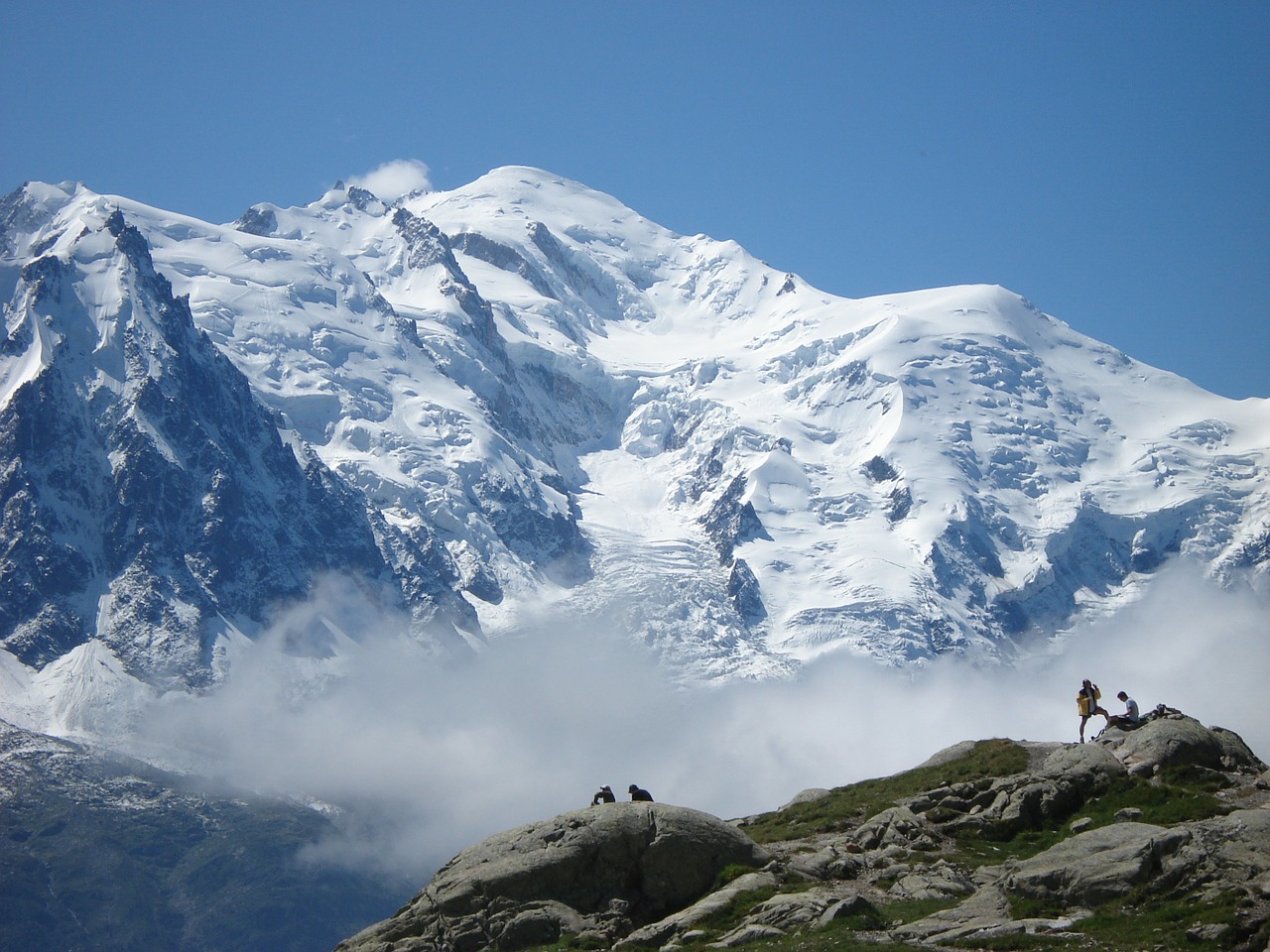 Photo: Hseugut · CC BY-SA 4.0Trek France, Italy, Switzerland
Tour du Mont Blanc
A circular alpine classic looping 170 km around the Mont Blanc massif through France, Italy and Switzerland.
- Duration
- 7 days
- Distance
- 170 km
- Difficulty
- Hard
-
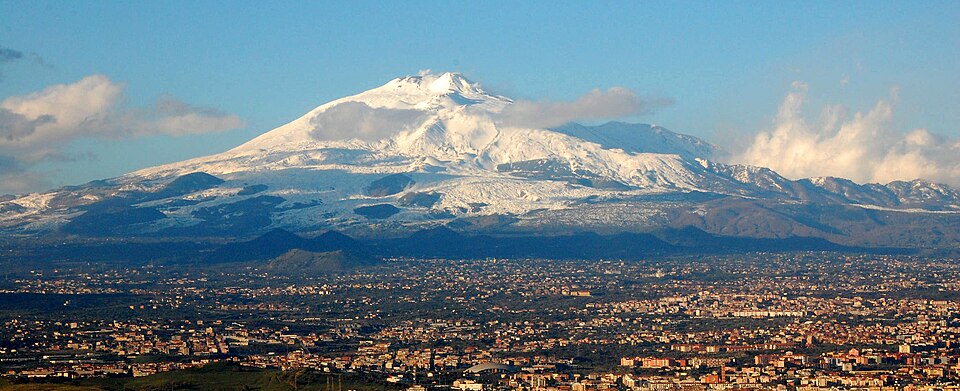 Photo: BenAveling · CC BY-SA 4.0Trek Italy
Mount Etna from the South — Rifugio Sapienza to the Summit Craters
A single big day on Europe's most active volcano: lava cones at the road head, a cable car into the ash desert, and a guided walk to the steaming summit craters above the Valle del Bove.
- Duration
- 1 day
- Distance
- 12 km
- Difficulty
- Hard
-
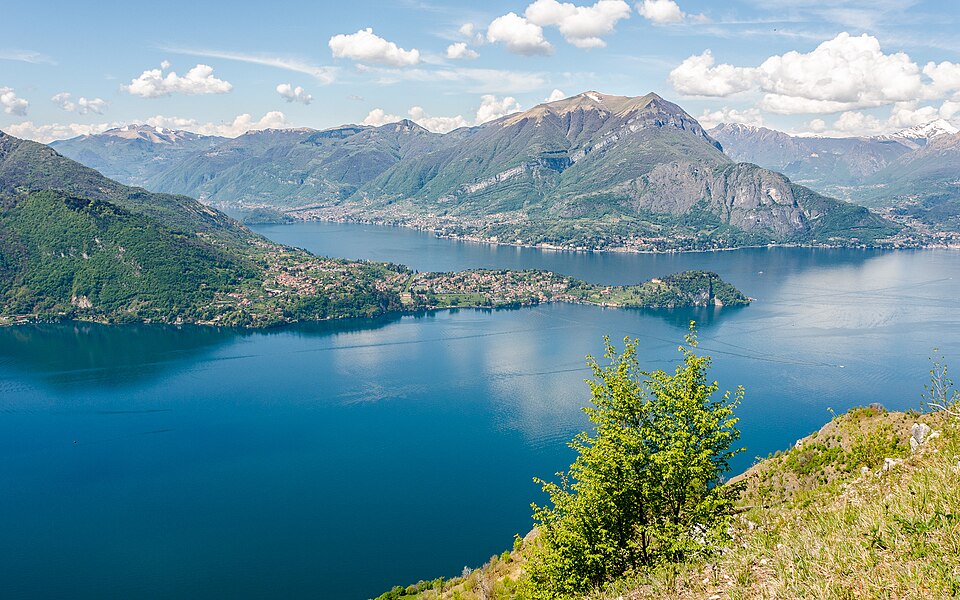 Photo: Luca Casartelli · CC BY-SA 2.0Trek Italy
The Greenway del Lago di Como — Colonno to Griante
An easy day on foot along the western shore of Lake Como, from Colonno to Griante through lakeside villages, great villas and old mule tracks — finished with a ferry to Bellagio.
- Duration
- 1 day
- Distance
- 10 km
- Difficulty
- Easy
-
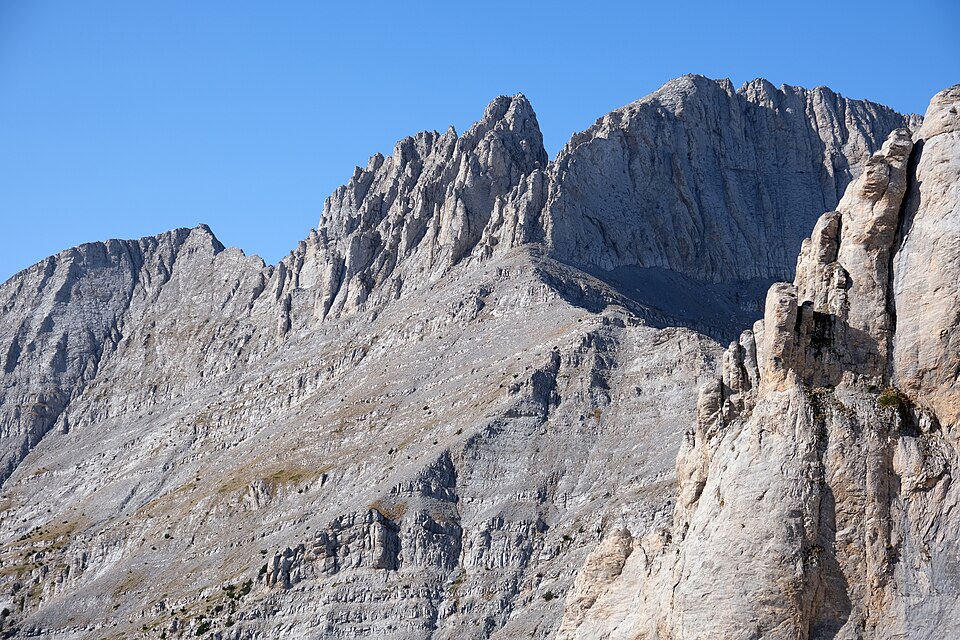 Photo: kallerna · CC BY-SA 4.0Trek Greece
Mount Olympus — Prionia to Mytikas, the Home of the Gods
Two days from the Prionia trailhead through beech forest to Refuge A, then up to Skala and across the exposed Kaki Skala scramble to Mytikas (2,918 m), the highest point in Greece.
- Duration
- 2 days
- Distance
- 18 km
- Difficulty
- Hard