The Camino Francés: Seven Iconic Stages to Santiago
Practical, route-specific tips and insights for The Camino Francés: Seven Iconic Stages to Santiago.
Packing list
Filled in for this route from the kit a walk like this needs and the gear its tips mention. Tick things off as you pack.
Permits & fees
-
Carry a credencial if you want the Compostela
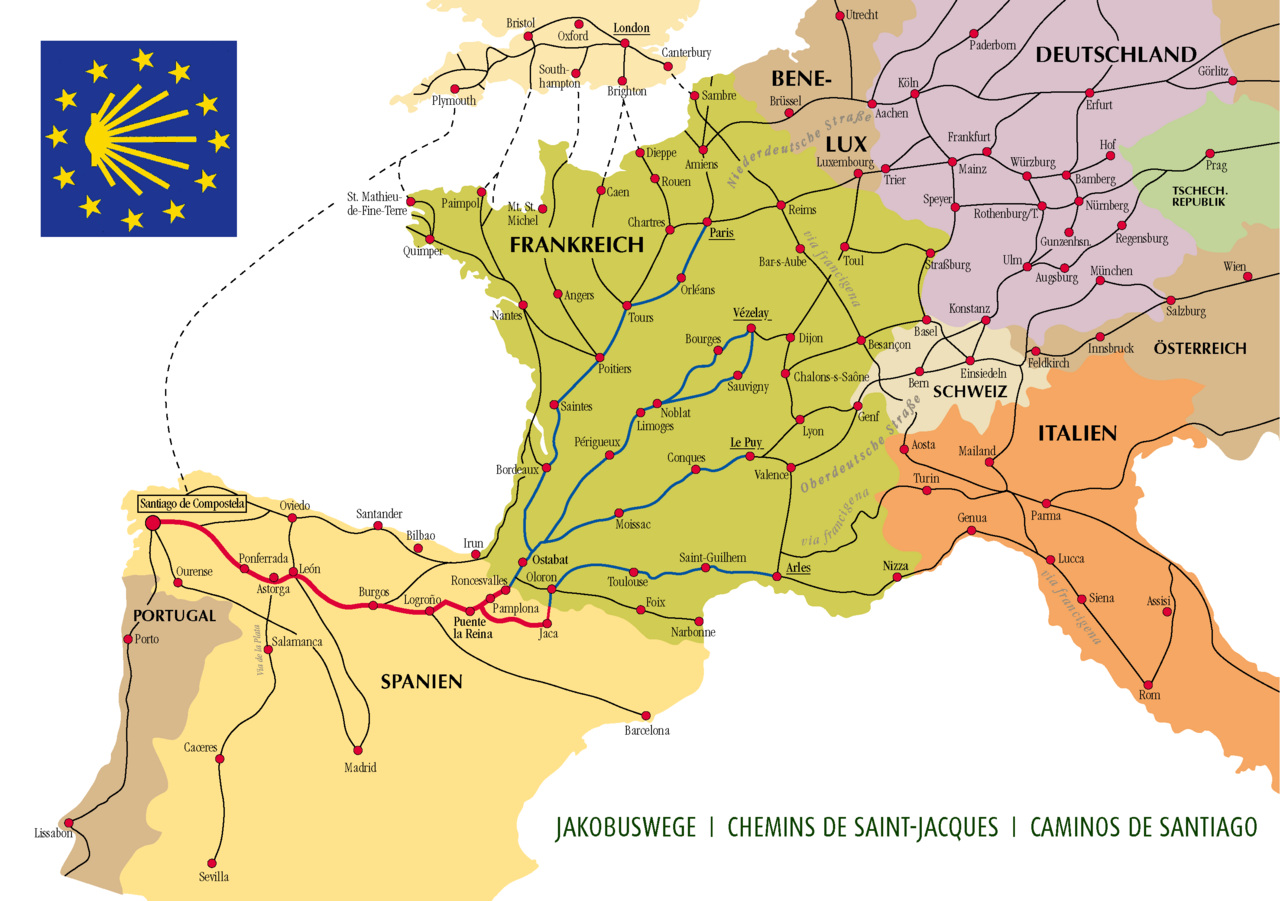
No permit is needed to walk, but the Compostela certificate requires a credencial (pilgrim passport) stamped twice a day over the final stretch, and at least the last 100 km on foot — which is exactly why Sarria is the busiest starting point on the route.
Sleeping & booking
-
Albergues fill early in summer
Pilgrim hostels line the whole way, but in high season beds go fast — finish your walking day early rather than late. A sleeping-bag liner and earplugs make dorm nights much better.
-
Municipals are first-come, privates take bookings
The albergue world runs on two systems: municipal and parish hostels are, as a rule, first-come-first-served for walkers, while private albergues can be reserved a day or two ahead by phone or WhatsApp. In high season the smart rhythm is to walk with a private booking as your safety net and take a municipal bed when you land one early. Donation-based parish albergues with communal dinners are the ones people remember for years.
Navigation
-
Follow the yellow arrows
Yellow arrows and the scallop shell mark the entire route — you rarely need a map. One trap: the direction the shell’s rays point is not consistent from region to region, so trust the arrows, not the shell. If you haven’t seen an arrow in ten minutes, backtrack to the last one rather than improvising.
Getting there
-
Saint-Jean and Santiago are both well connected
The classic start at Saint-Jean-Pied-de-Port is reached by train from Bayonne; Santiago has its own airport and rail links. Since these seven stages are sampled highlights rather than a continuous walk, Spain’s regional buses and trains between Pamplona, Burgos, León and Ponferrada are your friends.
Best time to go
-
May to September, but never the Pyrenees in winter
Late spring to early autumn is the sweet spot. The day-1 mountain crossing from Saint-Jean to Roncesvalles is the most weather-exposed stage of the whole Camino — in winter it is genuinely dangerous and routed differently.
Local insights
-
The Cruz de Ferro is the emotional summit
The route’s highest ground (about 1,515 m) comes near Manjarín just after the Cruz de Ferro, where pilgrims traditionally leave a stone carried from home. If you adopt one Camino ritual, make it that one.
-
Your pack can ride ahead of you
Luggage-transfer services — including one run by Spain’s postal service, Correos — carry your bag from albergue to albergue for a small per-stage fee: you book by the previous evening, tag the bag, and walk with a daypack. It’s how many walkers with knee or back issues finish the whole route. Note that some donation-based albergues only take pilgrims carrying their own packs, and the service has historically run seasonally on parts of the route.
-
Sarria is where the Camino changes character
The final 100 km from Sarria qualifies for the Compostela, so the trail suddenly fills with school groups, weekend walkers and tour buses. Don’t let it sour you — treat the last days as a moving festival rather than a wilderness walk, start earlier in the morning to walk ahead of the wave, and savour the quieter stretches before Sarria while you have them.
Water & food
-
Pace yourself on the meseta
The Burgos-to-Hornillos stage crosses the open meseta: long horizons, little shade, and services spaced far apart. Fill water at every town and carry food — village bars are the Camino’s refuelling system.
Smart savings
-
Order the pilgrim menu, and make lunch the big meal
Bars and restaurants along the whole route serve a menú del peregrino — three courses with bread and usually wine, at a walker’s price. The weekday lunchtime menú del día is often even better value than the evening sitting. Eat your main meal at midday, walk it off, and keep the evening light.
You might also like
-
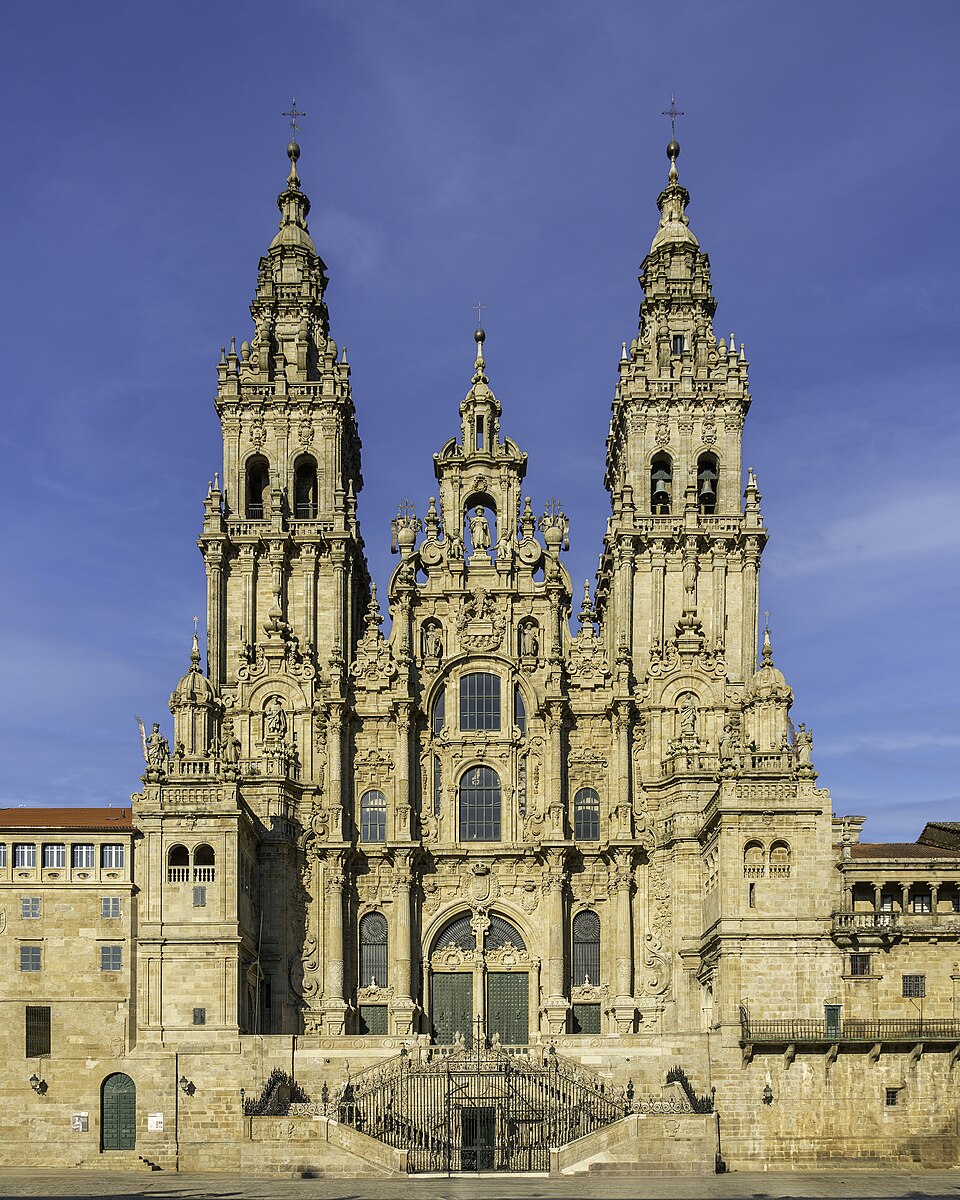 Photo: Fernando · CC BY-SA 4.0Trek Portugal & Spain
Camino Portugués — the Coastal Way Highlights
Six sampled stages of the Caminho da Costa, from Porto's boardwalks up the Atlantic shore to the Minho ferry, across into Galicia and on to the Obradoiro square at Santiago.
- Duration
- 6 days
- Distance
- 142 km
- Difficulty
- Moderate
-
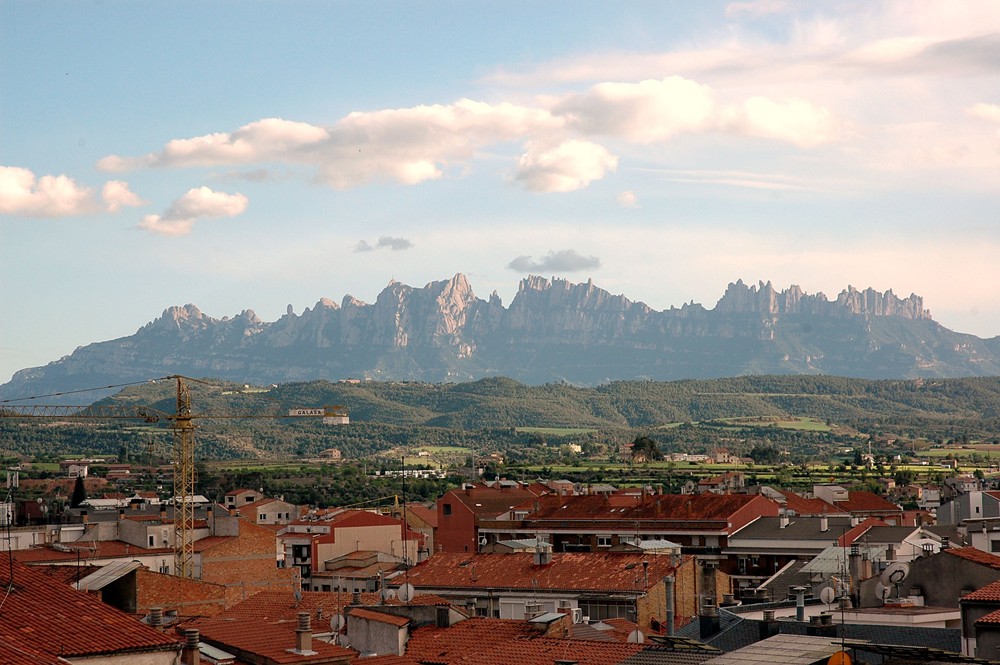 Photo: Josep Renalias · CC BY-SA 3.0Trek Spain
Montserrat: the Abbey and the Walk to Sant Jeroni
A day on the serrated mountain outside Barcelona — rack railway or cable car to the Benedictine abbey and the Black Madonna, then the funicular and a ridge walk to the summit of Sant Jeroni.
- Duration
- 1 day
- Distance
- 7 km
- Difficulty
- Moderate
-
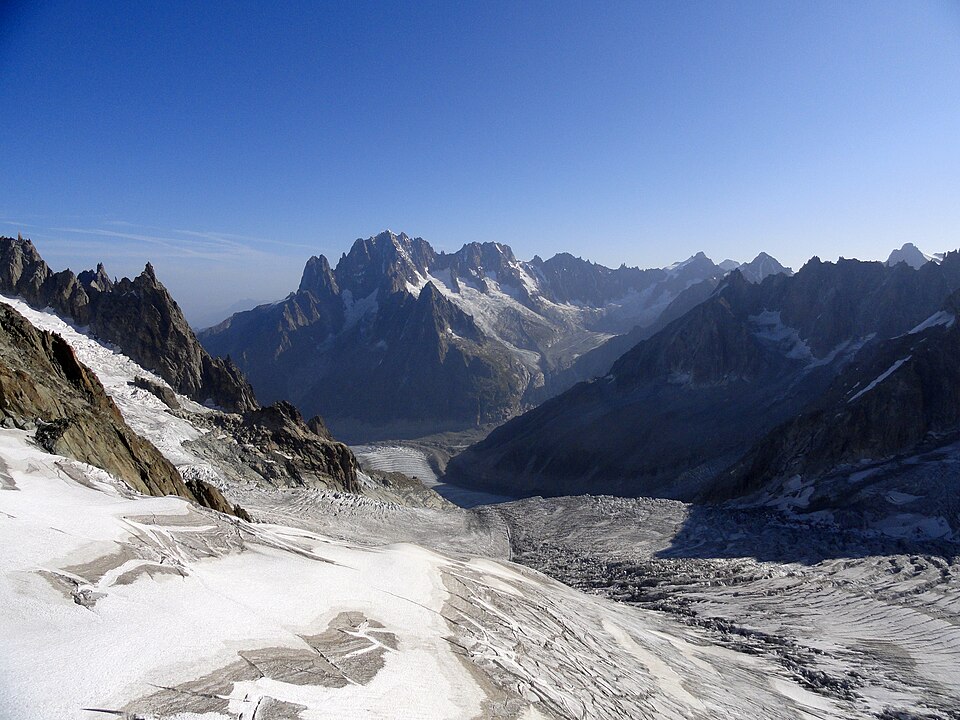 Photo: Kristoferb · CC BY-SA 3.0Trek France
Chamonix, the Mer de Glace and the Grand Balcon Nord
A day combining a rack railway, France's largest glacier and its ice cave, a high balcony path under the Chamonix aiguilles, and the cable car to the Aiguille du Midi.
- Duration
- 1 day
- Distance
- 8 km
- Difficulty
- Moderate
-
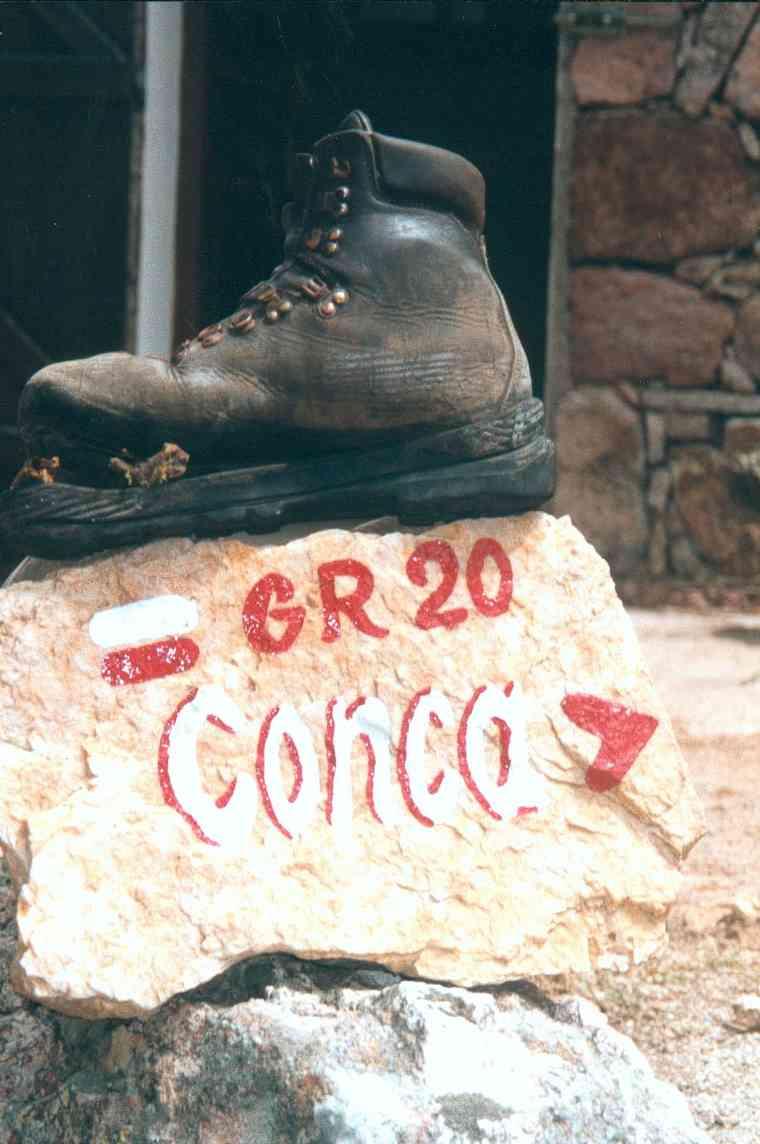 Photo: User:Tcherome · Public domainTrek France
GR20 North — Calenzana to Vizzavona
Six demanding days across the granite spine of northern Corsica, from the maquis above Calenzana over the Monte Cinto massif and past Lac de Nino to the forests of Vizzavona.
- Duration
- 6 days
- Distance
- 98 km
- Difficulty
- Expert