Annapurna Base Camp — the Sanctuary Trek
Practical, route-specific tips and insights for Annapurna Base Camp — the Sanctuary Trek.
Packing list
Filled in for this route from the kit a walk like this needs and the gear its tips mention. Tick things off as you pack.
Permits & fees
-
ACAP is the permit that matters — the rest keeps shifting
You need the Annapurna Conservation Area Permit (ACAP), issued in Pokhara or Kathmandu before the trek — it’s what the checkpoints actually inspect. The TIMS card and Nepal’s guide requirement have both changed shape several times since 2023, and agencies handle whichever currently applies, so confirm the rules when you book rather than trusting an old blog post. Carry passport photos for the paperwork — it’s the classic thing people forget.
Sleeping & booking
-
Teahouses run the whole way
No tent or stove needed: villages and lodges cover every night of the route. That keeps packs light — which matters, because this trail is a rollercoaster of stone staircases.
-
Above Chhomrong, have someone phone ahead
The lodges at Deurali, Machapuchare Base Camp and ABC are few and small, and in October they fill to the point of trekkers sleeping in dining halls. The system is informal but real: your guide — or the owner of tonight’s lodge — calls tomorrow’s lodge and holds you a room. Use it every day in the upper valley in high season.
Safety
-
Respect the avalanche section above Deurali
Between Deurali and base camp the trail crosses several avalanche paths. In snow conditions this section is genuinely dangerous — ask at the lodges about current conditions and cross early in the day, when the slopes are coldest.
Local insights
-
The Chhomrong staircase is the real test
It’s not the altitude that breaks people on this trek — it’s the descent to the Chhomrong Khola and the climb back out. Treat day 2–3 with respect, and consider the extra night at Chhomrong if you’re feeling the gain.
-
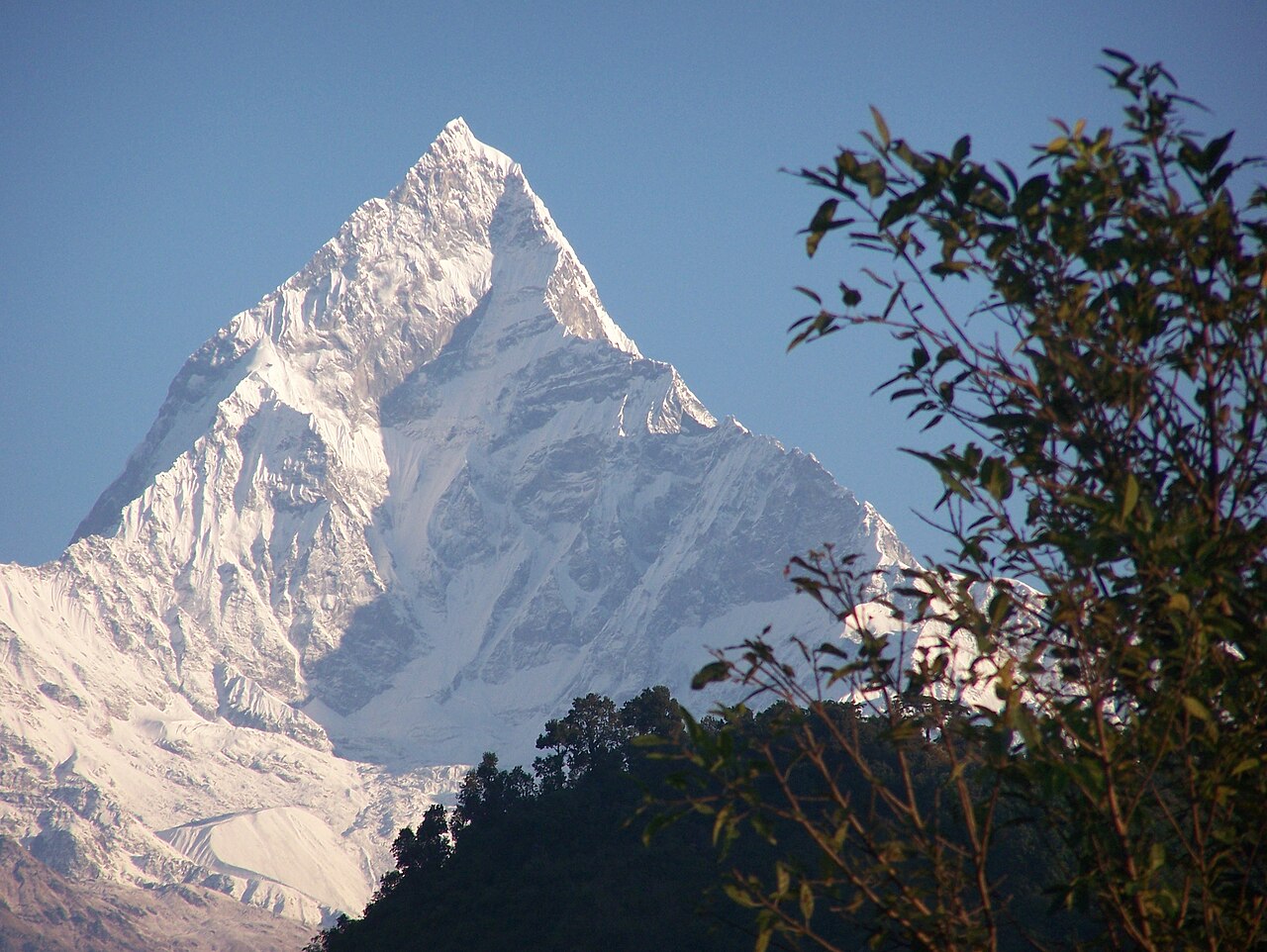
Machapuchare is sacred — and unclimbed
The fishtail peak guarding the Sanctuary gate is closed to climbers; no one has stood on its summit. You walk beneath it for days — one of the great free sights of the Himalaya.
-
Save your last afternoon for the Jhinu hot springs
Twenty minutes below Jhinu Danda, stone pools fed by natural hot springs sit right beside the Modi Khola river. After a week of stone staircases it’s the best recovery stop in the Annapurnas — plan your last night in Jhinu, pack a swimsuit, and soak before dinner.
Best time to go
-
October–November or March–April
Autumn and spring are the windows; the June–September monsoon soaks the gorge, and deep winter snow makes the upper valley avalanche-prone. Sunrise inside the Sanctuary in clear autumn air is the payoff.
Getting there
-
Pokhara is the base, jeeps do the ends
Fly or drive to Pokhara, take a jeep to the roadhead at Nayapul or Siwai, and jeep back from Jhinu Danda or Siwai at the end. Book the return jeep through your last lodge rather than hoping for one at the roadhead.
Water & food
-
Altitude gain from Bamboo up is fast
Base camp is ‘only’ 4,130 m, but the gain from Bamboo upward comes quickly. Drink steadily, walk slowly, and let the teahouse dal bhat do its job — unlimited refills are the trek’s best-value calories.
Smart savings
-
Electricity thins out as you climb — plan your charging
Lower villages have mains power, but the upper lodges run on solar, and phone charging becomes a paid per-device service with queues on cloudy evenings. Carry a power bank sized for the whole upper section, top everything up in Chhomrong, and switch to airplane mode — signal mostly disappears inside the Sanctuary anyway.
You might also like
-
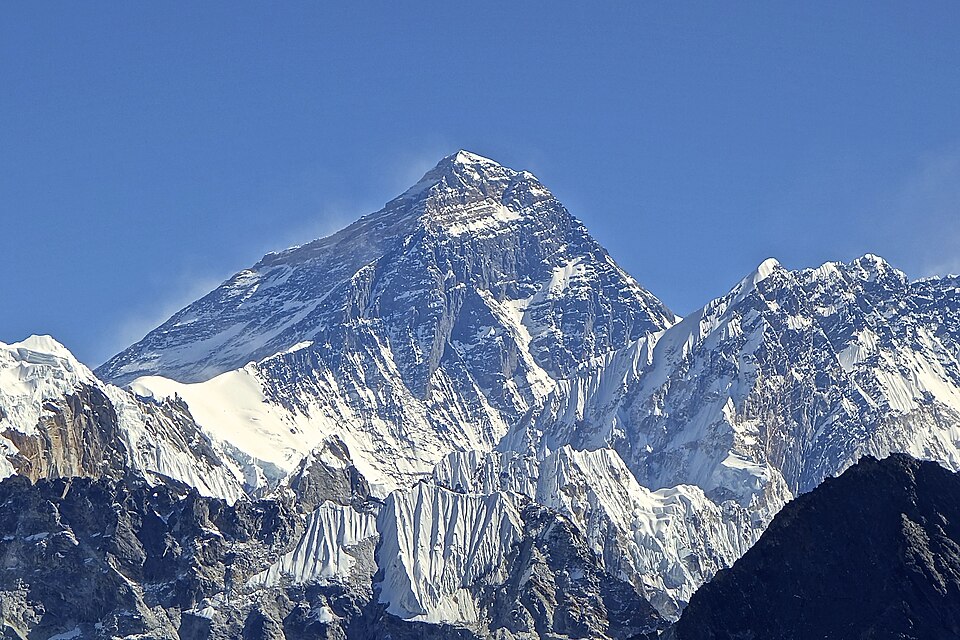 Photo: Rdevany · CC BY-SA 3.0Trek Nepal
Everest Base Camp Trek: The 8-Day Highlights
An accelerated highlights version of the classic trek through the Khumbu — from the airstrip at Lukla up the Sherpa valleys to the foot of the world's highest mountain at 5,364 m.
- Duration
- 8 days
- Distance
- 110 km
- Difficulty
- Hard
-
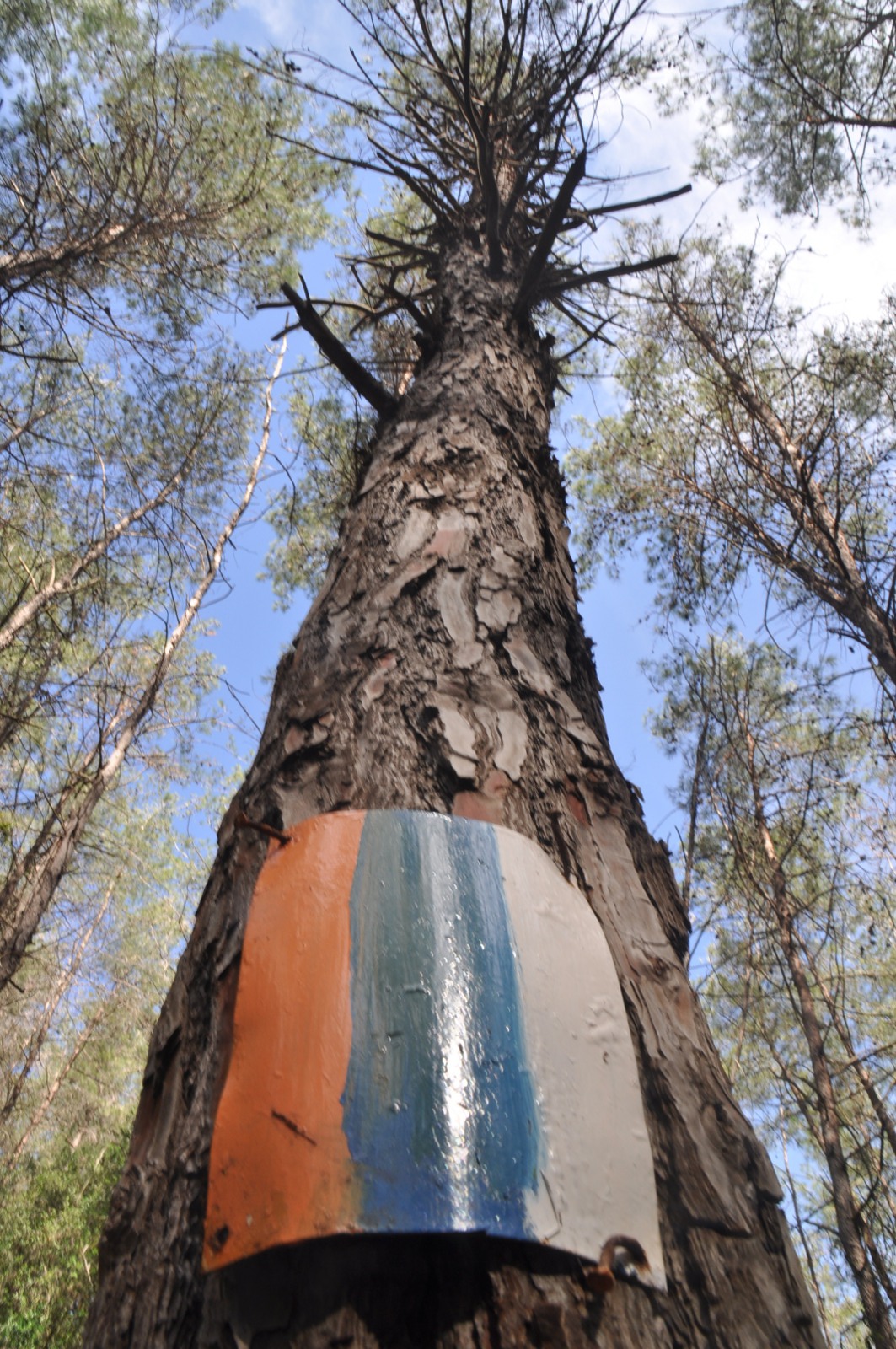 Photo: אורן פלס · CC BY 2.5Trek Israel
Israel National Trail: Five-Day Highlights
The most beautiful five days of the 1,100 km Israel National Trail — the Galilee ridges, Mount Carmel, the Wilderness of Zin, the Ramon Crater and the Eilat Mountains down to the Red Sea.
- Duration
- 5 days
- Distance
- 92 km
- Difficulty
- Hard
-
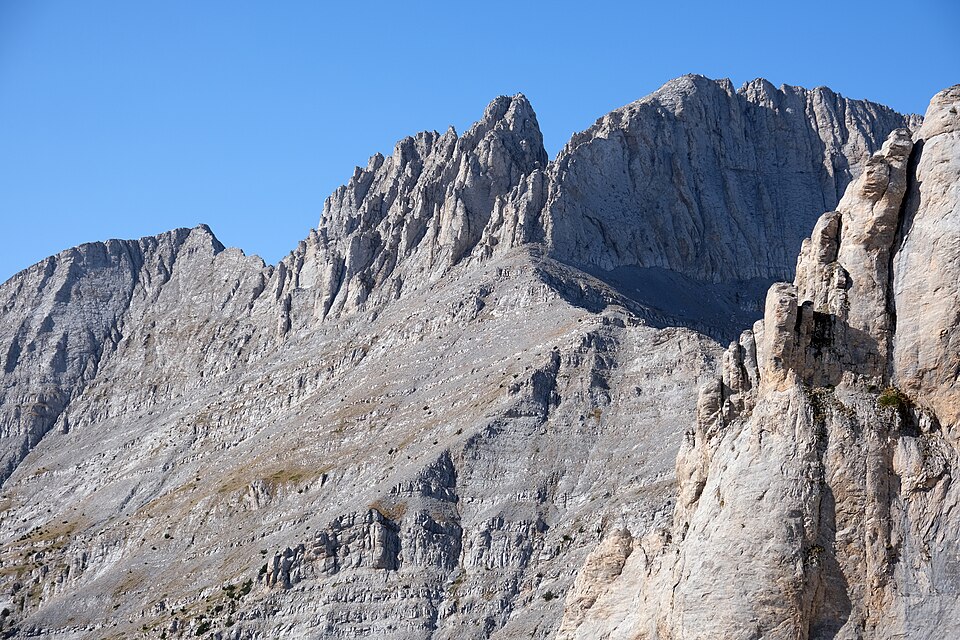 Photo: kallerna · CC BY-SA 4.0Trek Greece
Mount Olympus — Prionia to Mytikas, the Home of the Gods
Two days from the Prionia trailhead through beech forest to Refuge A, then up to Skala and across the exposed Kaki Skala scramble to Mytikas (2,918 m), the highest point in Greece.
- Duration
- 2 days
- Distance
- 18 km
- Difficulty
- Hard
-
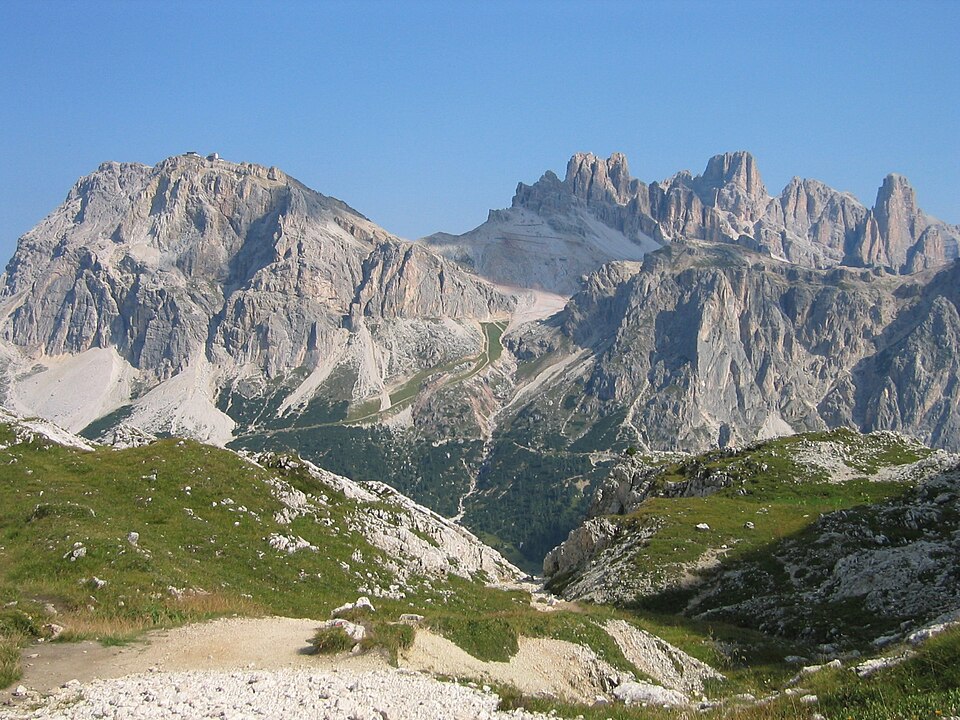 Photo: Clemens Stockner · Public domainTrek Italy
Alta Via 1 — The Classic Dolomites High Route
A six-day rifugio-to-rifugio highlights traverse of the Dolomites, from the emerald water of Lago di Braies over WWI passes and beneath the great walls of Civetta and Pelmo down towards Belluno.
- Duration
- 6 days
- Distance
- 120 km
- Difficulty
- Hard