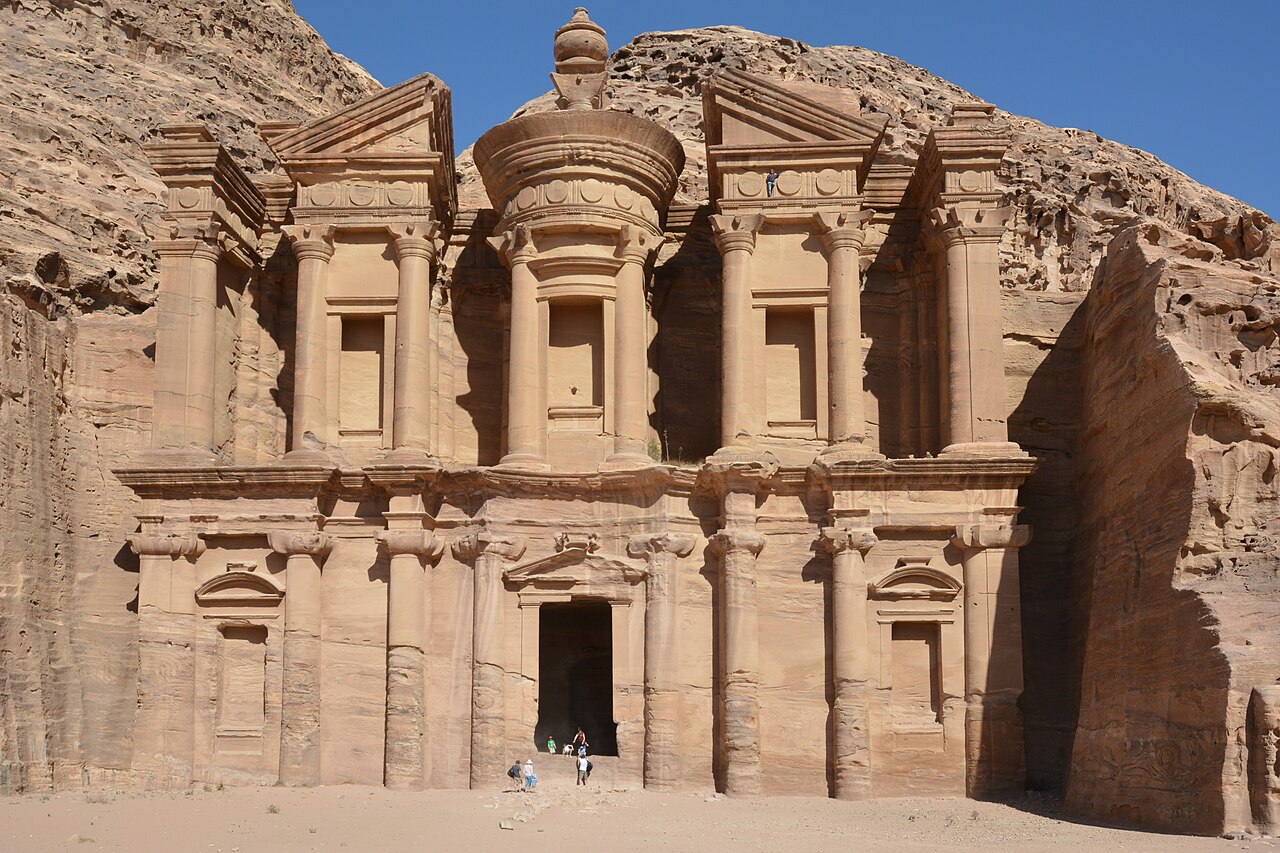
Petra on Foot: The Siq, the Treasury and the Monastery
Practical, route-specific tips and insights for Petra on Foot: The Siq, the Treasury and the Monastery.
Packing list
Filled in for this route from the kit a walk like this needs and the gear its tips mention. Tick things off as you pack.
Local insights
-
Be at the gate for the 6am opening
Walking the Siq in early light, before the tour buses, is a different experience of the Treasury entirely — and you’ll do the day’s 12–16 km before the worst heat. The site rewards early risers more than almost anywhere.
-
The Monastery is worth the whole climb
Ad Deir is the farthest carving from the gate and, for many, the finest in Petra — bigger than the Treasury and far quieter. Save legs and daylight for it; late afternoon light on its facade is the day’s best reward.
-
Day two: come in through the back door
A shuttle has historically run from the visitor centre to Little Petra, where a back trail crosses the sandstone ridges to the Monastery in a couple of hours — you arrive at Ad Deir from above, skip the 800 steps entirely, then walk downhill through the whole site to the exit. You still need a valid Petra ticket, and guides can be hired at the Little Petra end — check the current shuttle and trail arrangements locally the day before.
-
Petra by Night is a separate ticket — plan around its schedule
The candlelit evening walk to the Treasury runs only on set nights of the week and is sold as its own ticket, not included in day entry or the Jordan Pass. If it matters to you, check the current schedule when you book your Wadi Musa nights so your stay overlaps a performance evening. Go with expectations set: it’s atmosphere and silence, not a light show.
-
For the Treasury-from-above photo, take the marked trail
Around the Treasury you’ll be offered guided scrambles to ‘the best viewpoint’ for a tip — informal, sometimes sketchy underfoot, and ending at a tea-shop ledge. The view they’re selling is real, but the Al-Khubtha trail from the Royal Tombs gets you the classic top-down Treasury view on a proper engineered path that’s already included in your ticket. It’s a stiff stair climb — bring water and take your time.
Permits & fees
-
The Jordan Pass usually pays for itself
The Jordan Pass bundles Petra entry with dozens of other sites and — the real trick — waives Jordan’s tourist visa fee, provided you buy it before arriving and stay the minimum number of nights the scheme requires. It comes in tiers by how many consecutive days you want inside Petra. Check the current conditions on jordanpass.jo before you fly, and bring your passport — it’s checked at the ticket office.
Water & food
-
Two litres minimum, more in the warm months
The site is exposed, dry and far bigger than photos suggest. Carry at least two litres of water per person, sun protection and salty snacks; kiosks inside exist but are sparse and pricey.
Gear & packing
-
Sturdy shoes for 800 rock-cut steps
The climb to the Monastery is roughly 800 ancient stone steps, worn smooth in places. Proper walking shoes matter more here than on many mountain trails.
Getting there
-
Base yourself in Wadi Musa
Petra sits beside the town of Wadi Musa — about three hours by road from Amman, two from Aqaba — and the visitor centre is walkable from most hotels. Staying the night before makes the 6am start painless.
Best time to go
-
Spring and autumn are the sweet spots
March–May and September–November give warm, walkable days. Midsummer heat makes the exposed climb to the Monastery genuinely punishing; in winter, check hours and weather — the site sits high and can be cold.
Smart savings
-
The second day costs a fraction of the first
Petra’s ticket tiers are built so that adding a second or third consecutive day costs only a small step up from the one-day price — and the site genuinely needs two days. Day one for the Siq, Treasury and city centre; day two for the high places without watching the clock. If you came all this way, the extra day is the cheapest world wonder upgrade you’ll ever buy.
You might also like
-
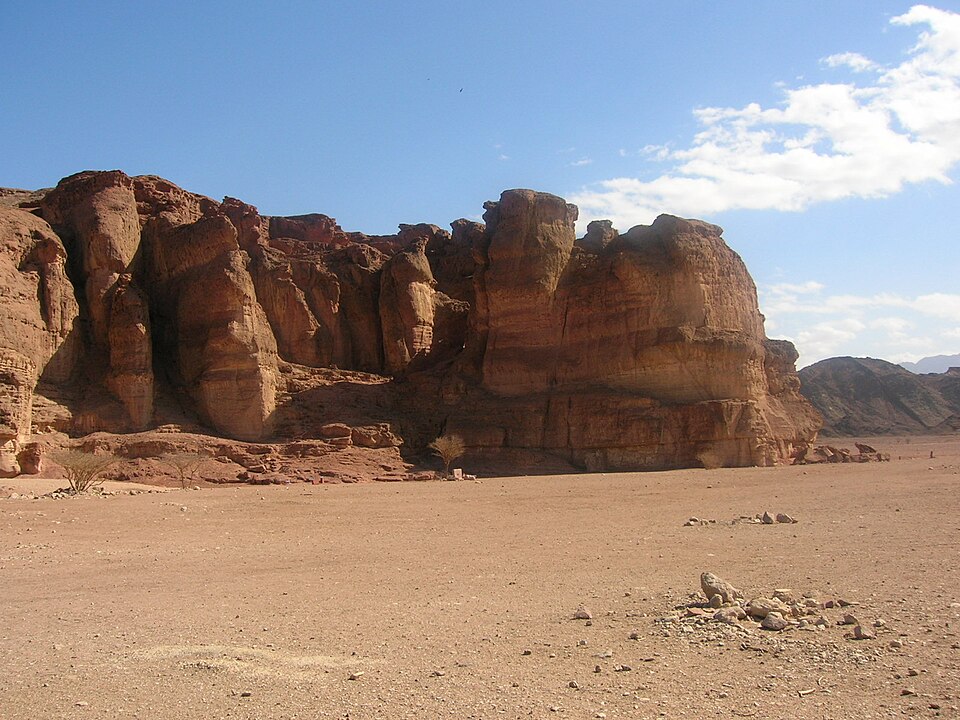 Photo: Little Savage · Public domainTrek Israel
Timna Park — Copper, Sandstone and Solomon's Pillars
A full day threading the red sandstone of the southern Negev: the Mushroom, the Arches, ancient Egyptian copper mines and rock carvings, and the towering Solomon's Pillars.
- Duration
- 1 day
- Distance
- 10 km
- Difficulty
- Moderate
-
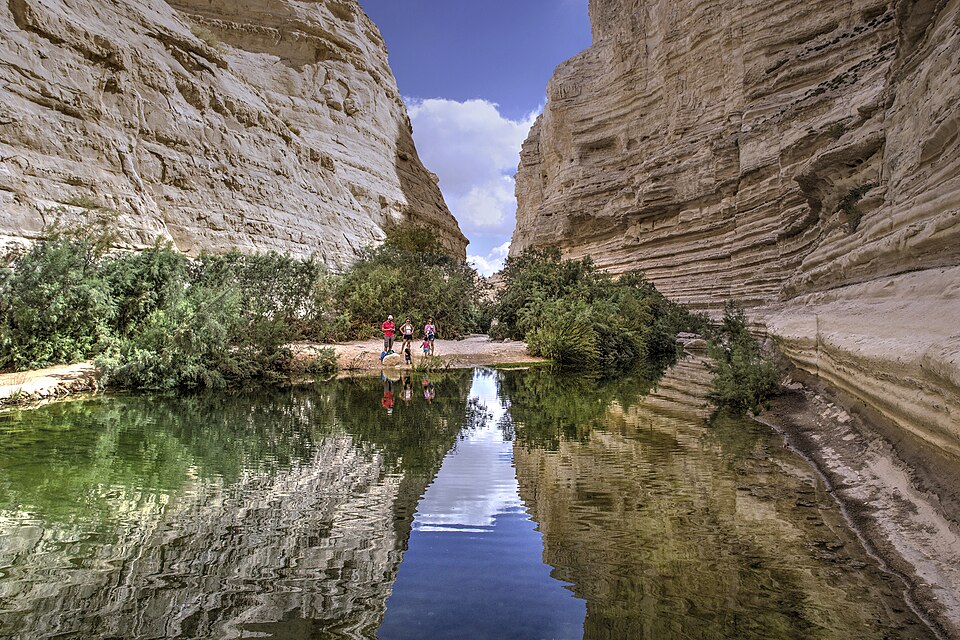 Photo: Hanan epstein · CC BY-SA 4.0Trek Israel
Ein Avdat: The White Canyon of Zin
A short, vertical day in the Negev — a white chalk gorge with a 15-metre waterfall, spring-fed pools, Byzantine monks' caves and a ladder climb out onto the rim above the Wilderness of Zin.
- Duration
- 1 day
- Distance
- 5 km
- Difficulty
- Moderate
-
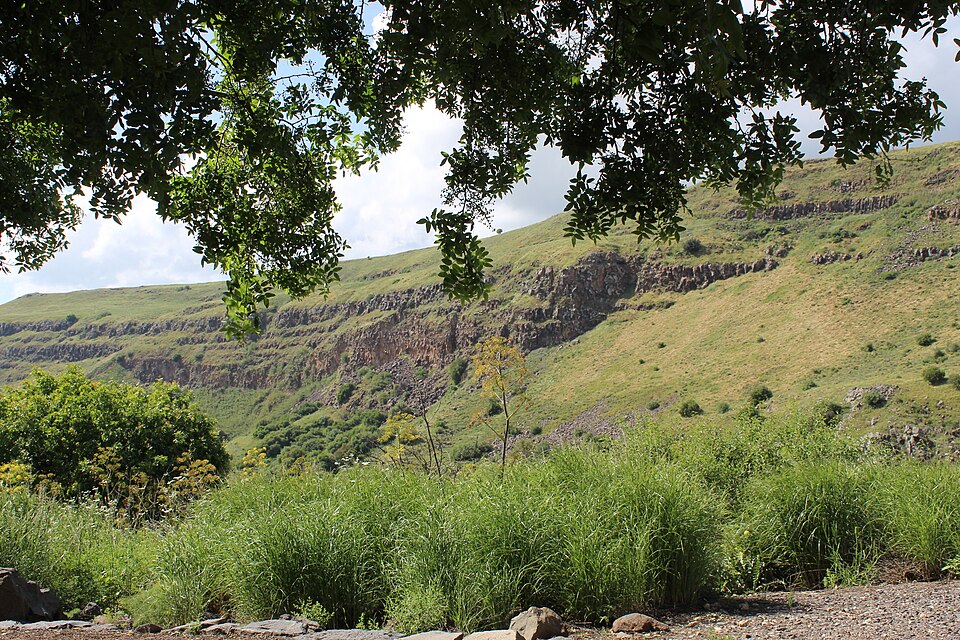 Photo: Davidbena · CC BY-SA 4.0Trek Israel
Gamla: The Fallen City, the Vultures and the Waterfall
One full day in the central Golan linking three separate trails — a besieged Roman-era city on a camel-hump ridge, a cliff lookout over Israel's largest griffon vulture colony, and the country's highest waterfall.
- Duration
- 1 day
- Distance
- 9 km
- Difficulty
- Moderate
-
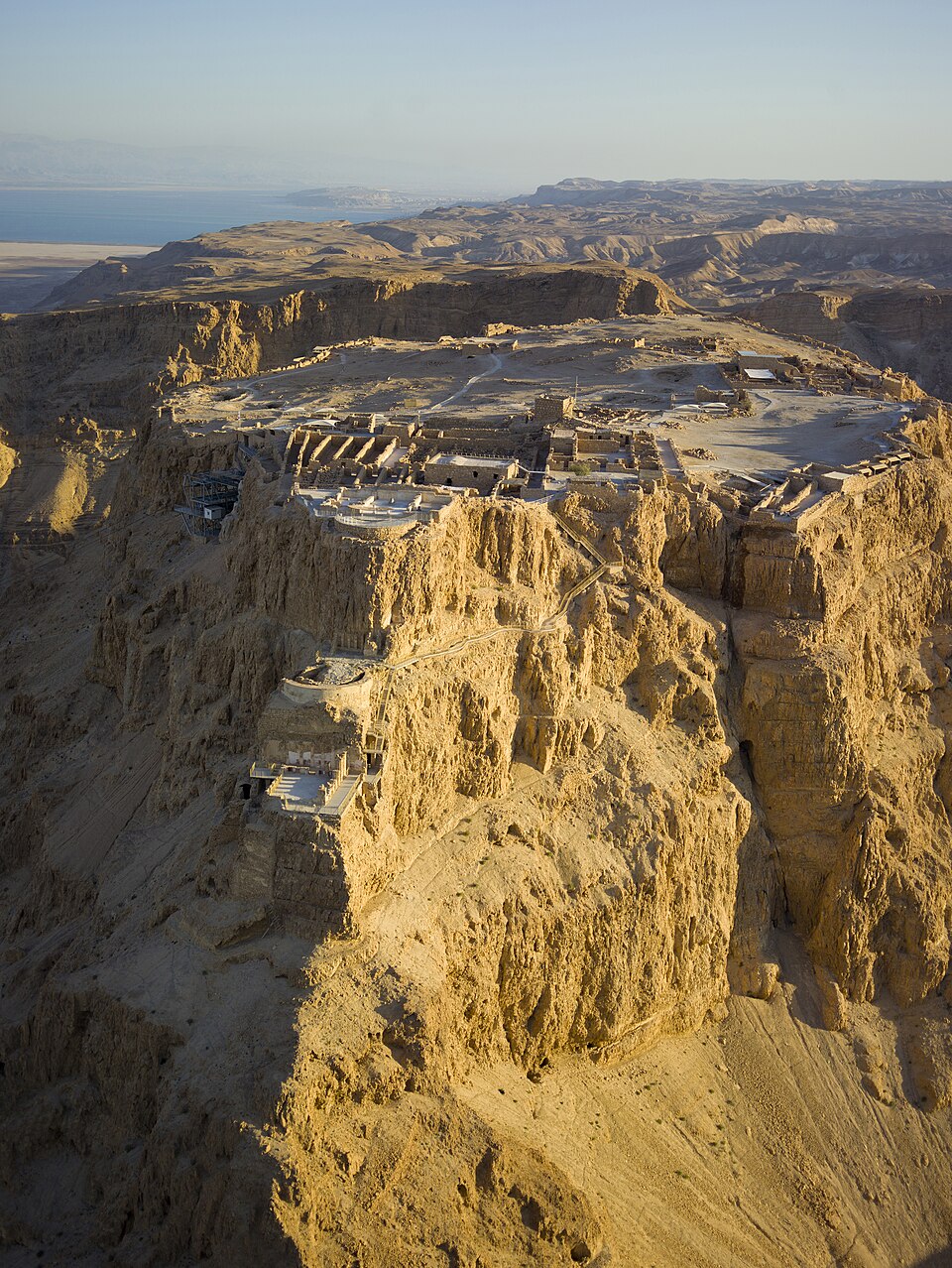 Photo: Godot13 · CC BY-SA 4.0Trek Israel
Masada Snake Path: Sunrise Ascent to the Desert Fortress
A pre-dawn climb up the winding Snake Path from the Dead Sea shore to reach Herod's cliff-top fortress just as the sun breaks over the desert.
- Duration
- 1 day
- Distance
- 4 km
- Difficulty
- Moderate