
Blog
Three Japan Pilgrimage Walks, and Why They Are Separate Trips
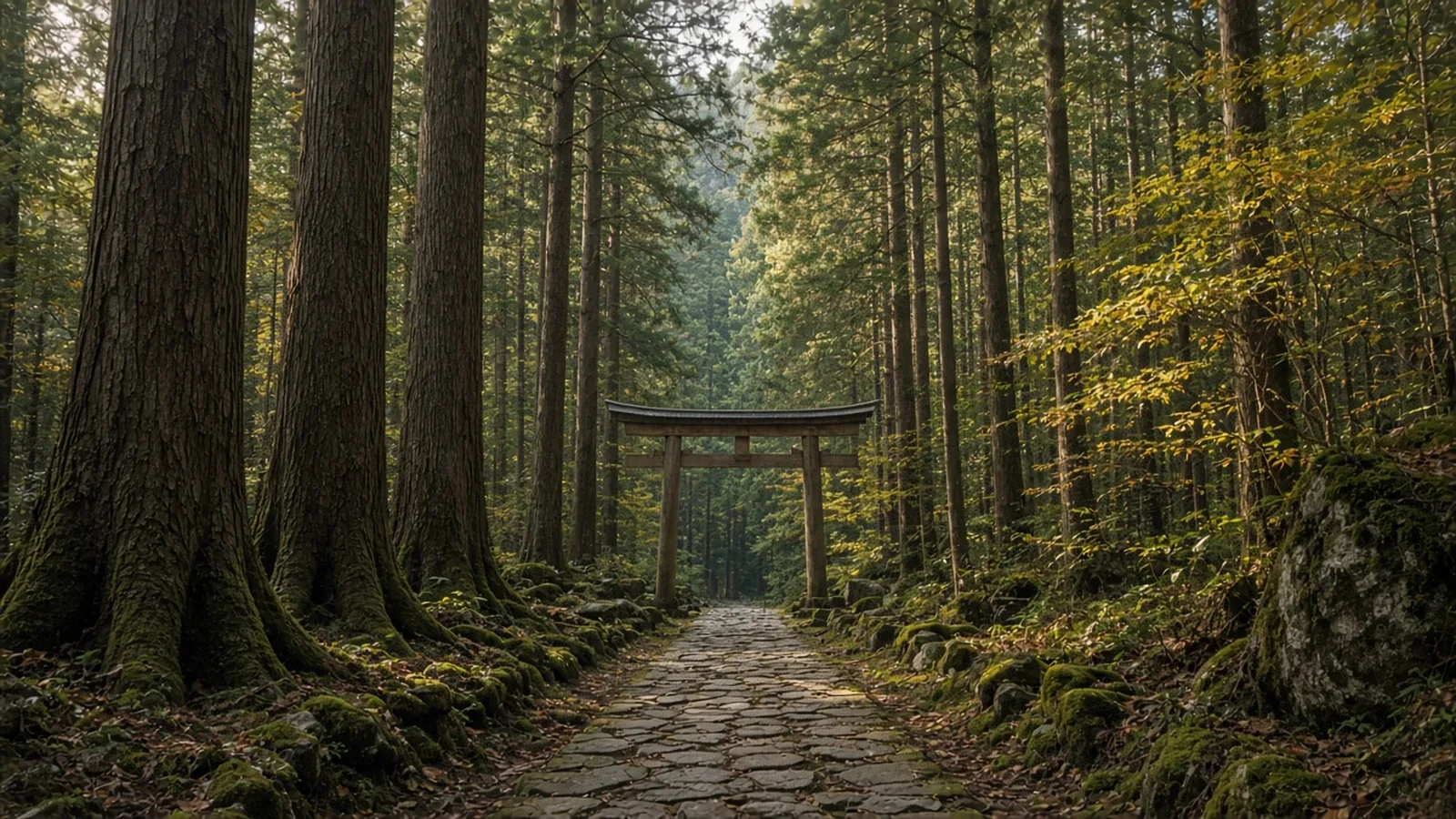
In short
These are three trips. The Kumano Kodo Nakahechi is 4 days, 41 km and 2,100 m, graded moderate, in late March to May and October to November. Koyasan's Okunoin is 1 day and 6 km, graded moderate, from May to October, with autumn colour in late October and early November. Fuji by the Yoshida Trail is 2 days, 15 km and 1,471 m, graded hard, and the official season is early July to early September. That Fuji window is the humid summer the Kumano page tells you to avoid.
Three walks, three calendars
Japan pilgrimage walking, on Waymark, is not one itinerary with three highlights. The Kumano Kodo Nakahechi is a four-day mountain path on the Kii Peninsula. Koyasan is a temple town in a high basin, a short day and ideally a night. Fuji by the Yoshida Trail is a two-day volcano climb with an official season measured in weeks. The seasons do not stack. Fuji’s open weeks are the humid summer the Kumano page tells you to avoid.
Choose one. If a holiday can stretch, choose two only where the months actually overlap, and still book them as different walks. The figures below are the ones on each route page.
How the Nakahechi compares with other first multi-day routes is in your first long walk.
The Kumano Kodo Nakahechi
The Kumano Kodo Nakahechi runs from Takijiri-oji to Hongu Taisha. Waymark lists 4 days, 41 km and 2,100 m of ascent, graded moderate. The season is late March to May, and October to November. The June rainy season and humid midsummer are the months to avoid.
The page places it in a small club: one of two pilgrimage routes inscribed by UNESCO, the other being the Camino de Santiago. Emperors walked it toward the three grand shrines. On the ground it is cedar forest, moss, stone steps, tea fields, and small villages. You sleep in family minshuku. Takahara and Chikatsuyu have a handful of beds between them, and spring and autumn book out months ahead. Reserve before you commit to dates. A luggage shuttle is widely used, and it is the difference between a walking pack and a suitcase on stone stairs. Carry cash. Card machines in the mountain villages are patchy.
Forty-one kilometres over four days sounds gentle until you set it beside 2,100 m of climbing. The days are short in distance and serious in stairs. May, October, and November are the months to open. June is the rainy season this page is written to skip.
Reach it through Kii-Tanabe, then a local bus of about 40 minutes to Takijiri-oji. From Hongu, buses run back toward the coast, or to the hot springs at Yunomine and Kawayu. That bus is the end of this walk. It is not a shuttle to Fuji.
Koyasan is a day in a temple town
Mount Koya: Okunoin, the Garan, and a night in a temple is 1 day and 6 km, graded moderate. There is no ascent total on the page, because the walking is mostly gentle and on good paths. The mountain basin sits at roughly 800 m, the air is cool, and the distances add up if you wander. The season is May to October, when the mountain is clear of snow. Late October to early November brings the autumn colours. Winters are cold and often snowy. Nights and early mornings are cold even in summer, so a warm layer stays in the bag.
Koyasan is a working monastic town, founded in the ninth century by Kukai, and it remains a settlement of well over a hundred temples. The page notes that it is part of the UNESCO listing of sacred sites and pilgrimage routes in the Kii range, which is the historical family Kumano also belongs to. That family relationship is not a trail connecting the two in one walking day.
Okunoin and the Garan grounds are free to walk. Some halls and Kongobu-ji charge admission. The page does not print those prices, so check them at the gate. Photography is not allowed beyond the Gobyō-bashi bridge, in the inner precinct of Okunoin. Temple lodgings are booked in advance. The pleasure the page describes is to slow down and stay the night, not to tick the cemetery and catch a train.
Most visitors come by Nankai railway from Osaka to Gokurakubashi, then the cable car and a bus. Pilgrims have also walked up the choishi-michi, about 24 km from Jison-in at Kudoyama. That approach is its own long day. The 6 km town walk is the route this page is grading.
May to October overlaps the end of Kumano’s spring and the start of Kumano’s autumn. Late October is the colour the Koyasan page names, and it sits inside Kumano’s October-to-November season. A person already in Wakayama can put a temple night and the four-day Nakahechi in the same autumn. They are still two reservations, two kinds of walking, and a bus ride between a basin at 800 m and a mountain pilgrimage of 2,100 m of stairs. They are not one route with a rest day.
Fuji is the unlike third
Mount Fuji by the Yoshida Trail is 2 days, 15 km and 1,471 m of ascent, graded hard. The official climbing season is early July to early September. The highest point on the crater rim is Kengamine, at 3,776 m. You start at the Fuji Subaru Line 5th Station, on the north side, and the page wants an hour there before you walk, so the body meets the altitude. Split over two days, with a hut, you rest or climb through the night and meet sunrise above the clouds.
The grade is hard even with huts and crowds. The summit air is thin, the weather turns fast, and the volcanic gravel is tiring. Ascent and descent use separate trails. The true top is a short crater loop past the trail’s own summit gate.
The official season is when the huts, the buses from Shinjuku and Kawaguchiko, and the summit facilities are open. Since 2024 the Yoshida Trail is also gated at the 5th Station: a climbing fee, a daily cap, an online reservation, and an afternoon-to-pre-dawn closure that hut guests are the main exception to. The page says the details have been adjusted each season, so the current rules are the official Fuji climbing site’s rules, read before you fix dates. Book the eighth-station hut well ahead. Beds sell out. Sleeping on the mountain outside the huts is not an option, and the booking is what exempts you from the gate closure. This article does not invent the fee. The page says there is one, and that it changes.
July is when this season opens. It is not a Kumano month.
Why they are not one trip
Put the seasons on one line.
Kumano: late March to May, and October to November. Leave June and the humid middle of summer alone. Koyasan: May to October for a snow-free mountain, with colour in late October and early November, and a winter that is cold and snowy. Fuji: early July to early September, official, gated, and hut-bound.
Fuji’s entire official season sits inside the humid midsummer Kumano tells you to skip, and it starts just after the June rains Kumano also tells you to skip. There is no week in which both pages say “go.” A July holiday can climb Fuji. It cannot honestly walk the Nakahechi. An October holiday can walk the Nakahechi, and it can stay a night on Koyasan while the leaves turn. It cannot climb Fuji, because the huts, buses, and summit facilities are a July-to-early-September system.
Even the Wakayama pair is two products. Six kilometres on temple paths, graded moderate, with a photography ban in the inner cemetery and a night in a temple, is one day. Forty-one kilometres and 2,100 m on stone steps, with minshuku booked months ahead, is four days. Sharing a UNESCO family and a prefecture does not make them stages of one walk. Fuji, in Yamanashi, with a required hut near the 8th Station and a summit at 3,776 m, is a third trip in a third season.
Book the one your dates can actually hold. If the dates are spring or autumn and the wish is a first multi-day pilgrimage, book the Nakahechi and, if you want a quiet night before or after, a temple stay on Koyasan in the overlapping weeks. If the dates are early July to early September and the wish is the highest point in Japan at dawn, book the Yoshida Trail, the eighth-station hut, and the season’s gate rules. Then go home. The other two walks will still be there in their own months.
Questions
- When is the Kumano Kodo Nakahechi in season?
- Late March to May, and October to November. It is 4 days, 41 km and 2,100 m, graded moderate, from Takijiri-oji to Hongu Taisha. Avoid the June rains and humid midsummer. Village beds book out months ahead in the good seasons.
- Is Koyasan a day walk or a trek?
- A day, with a night if you take temple lodging. Okunoin and the Garan are 6 km, graded moderate. The season is May to October, when the mountain is clear of snow. Autumn colour is late October to early November. Winters are cold and often snowy. The basin sits at roughly 800 m.
- When can you climb Fuji by the Yoshida Trail?
- The official season is early July to early September, when huts, buses, and summit facilities are open. The route is 2 days, 15 km and 1,471 m, graded hard, from the 5th Station, with a hut near the 8th Station. The highest point, Kengamine, is 3,776 m.
- Can you do Kumano, Koyasan, and Fuji in one holiday?
- Plan them as separate trips. Fuji's official season falls in the humid midsummer the Kumano page says to avoid. Koyasan and the Nakahechi can share a slice of autumn in Wakayama, and they are still a 6 km temple day plus a 4-day mountain walk with its own beds, not one route.
Sources
Routes in this post
-
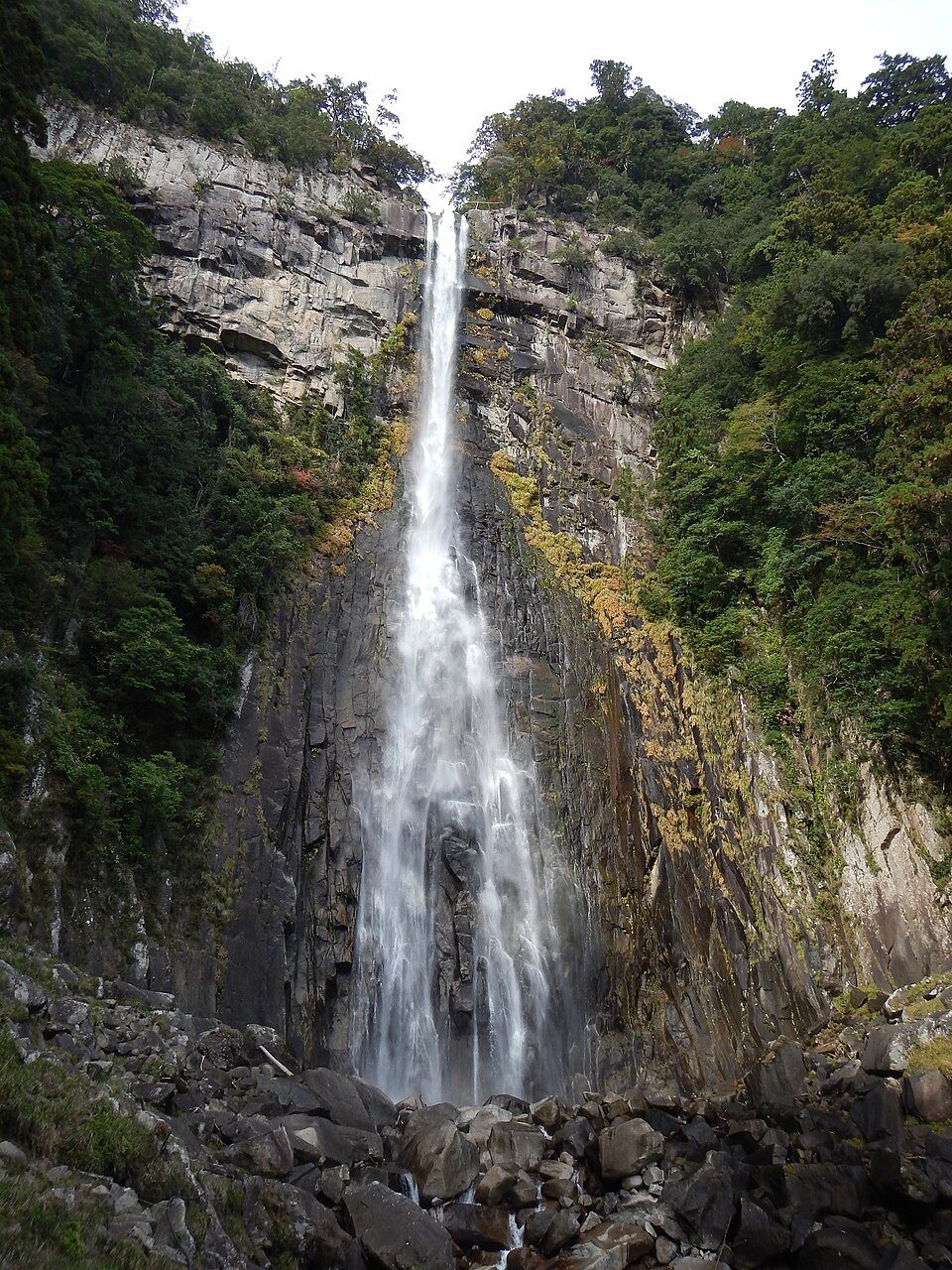 Photo: Nekosuki · CC BY-SA 4.0Trek Japan
The Kumano Kodō Nakahechi — Takijiri-oji to Hongū Taisha
Four days on Japan's imperial pilgrimage road, over forested passes and through mountain villages, from the gateway shrine at Takijiri to the great torii at Oyunohara.
- Duration
- 4 days
- Distance
- 41 km
- Difficulty
- Moderate
-
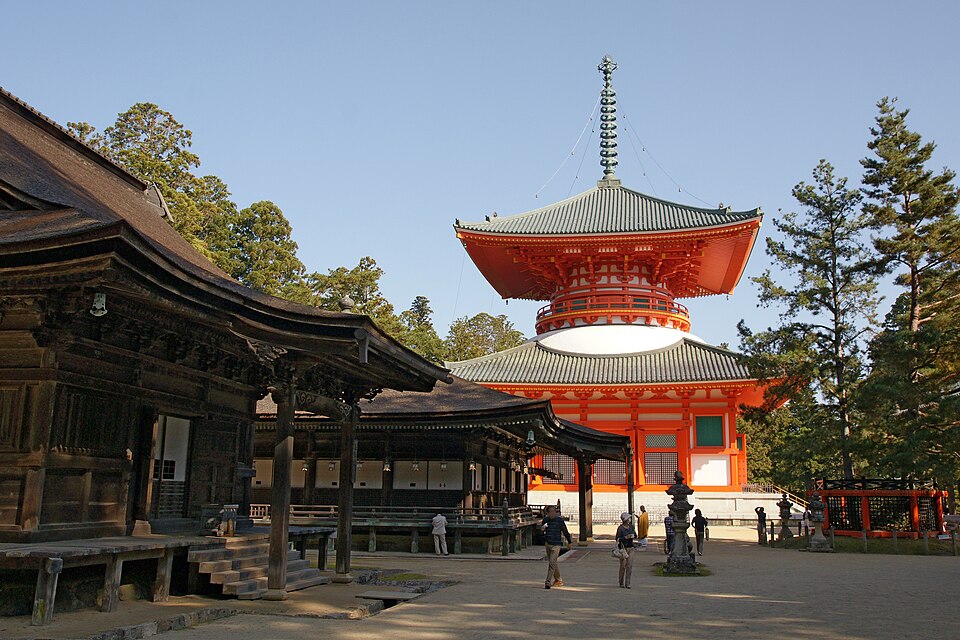 Photo: 663highland · CC BY 2.5Trek Japan
Mount Kōya: Okunoin, the Garan and a night in a temple
A day on the sacred mountain of Shingon Buddhism — the great cemetery avenue to Kōbō Daishi's mausoleum, the founder's temple complex, the head temple, and a night in a monks' lodging.
- Duration
- 1 day
- Distance
- 6 km
- Difficulty
- Moderate
-
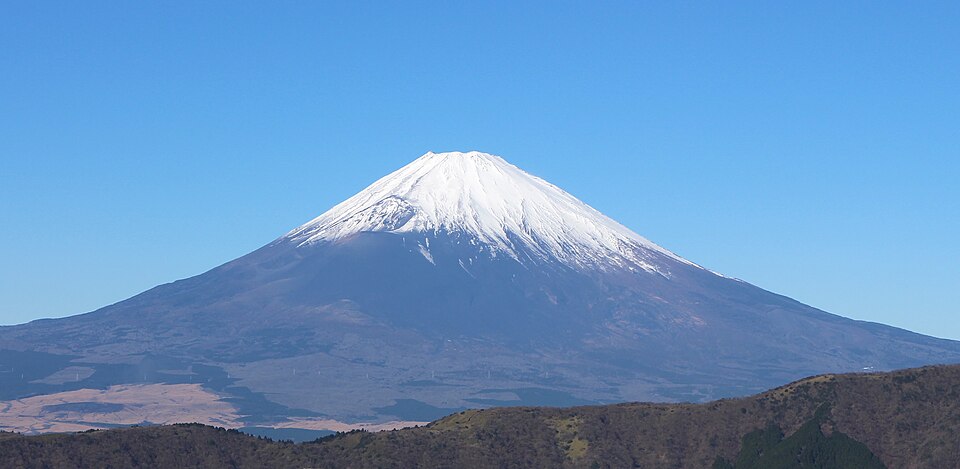 Photo: Suicasmo · CC BY-SA 4.0Trek Japan
Mount Fuji by the Yoshida Trail
Two days up Japan's sacred volcano on its most popular route, sleeping in a mountain hut near the eighth station to catch the goraiko sunrise from the 3,776 m summit.
- Duration
- 2 days
- Distance
- 15 km
- Difficulty
- Hard