
Blog
Walking with a toddler or a baby carrier
In short
Choose short, flat routes with easy exits, toilets and something to see, such as the Stanley Park Seawall or the Toronto Islands. Use a buggy on paved paths and a carrier elsewhere, plan around naps and feeds, dress the child warmer than yourself in a carrier, and keep babies under 6 months out of direct sun.
Walking with the smallest walkers
A baby in a carrier or a toddler on their own two feet changes a walk completely. The distance shrinks, the pace slows, and the list of things to carry grows. But the rewards are real: babies often sleep beautifully in a carrier, and toddlers are fascinated by everything a trail offers, from puddles and pine cones to ducks and bridges. The key is to plan a walk around the child, not around the summit.
Choosing the right route
For babies and toddlers, the best routes are short, flat and full of easy exits. Look for:
- Loops with shortcuts, so you can head back at any point.
- Toilets, cafés and shelter along the way or at the end.
- Something to see often: water, animals, boats, trains.
- A surface that suits your kit: paved or firm paths for a buggy, anything gentle for a carrier.
Good examples from the Waymark library:
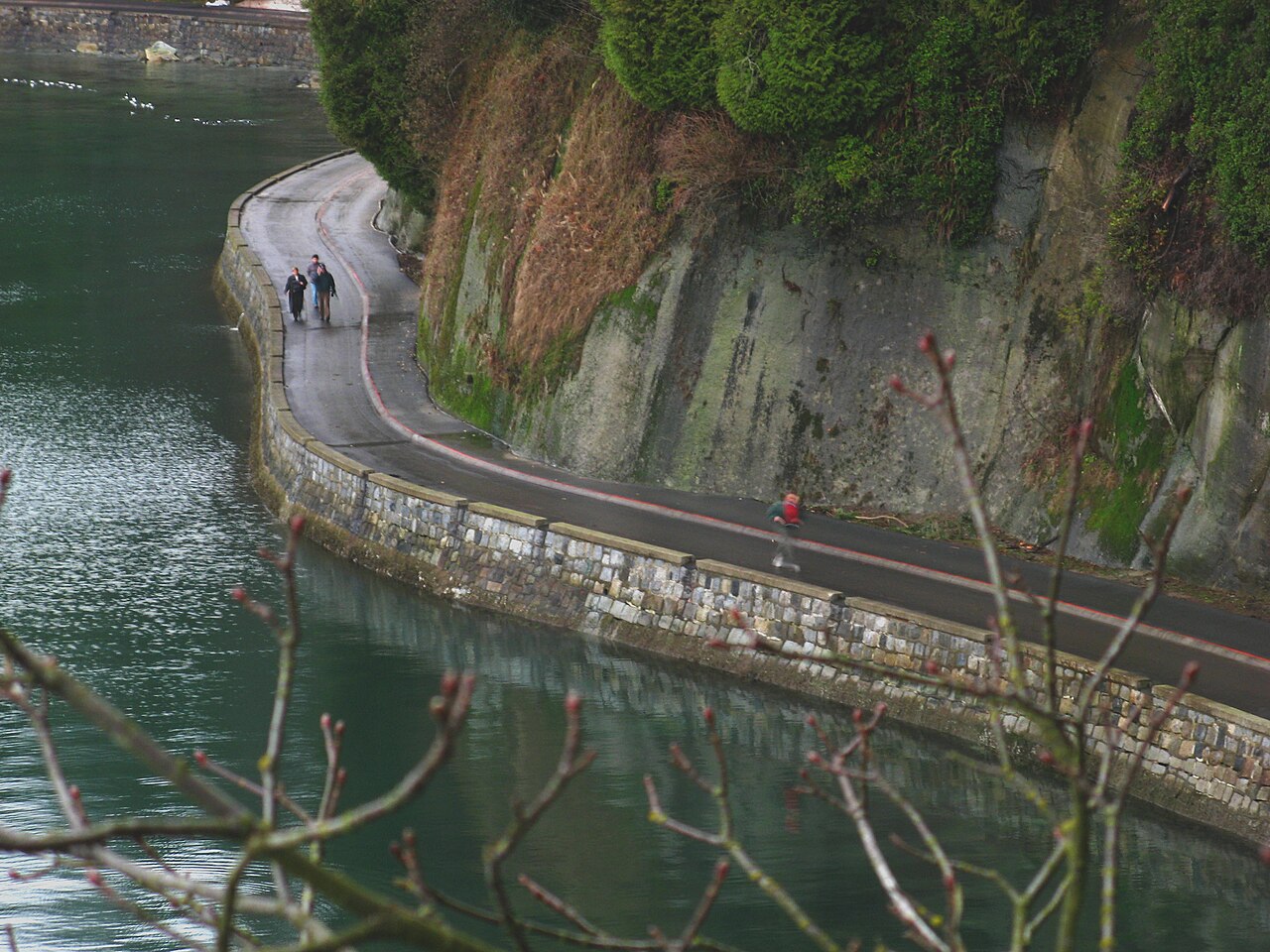
- The Stanley Park Seawall in Vancouver is a flat loop of roughly nine kilometres around the edge of the park, with beaches and benches all the way. You can walk any part of it and turn back.
- The Toronto Islands are reached by a short ferry ride and have no private cars, with a lakeshore boardwalk, beaches and an amusement park on Centre Island.
- The Yosemite Valley floor is flat, and shuttle buses make it easy to walk only a short section.
- The Agamon Hula circuit in northern Israel is a flat gravel path where you can also rent a golf cart or ride the tractor-drawn wagon if little legs get tired.
Buggy or carrier?
A buggy suits paved, flat routes such as seawalls, city parks and boardwalks. An all-terrain buggy with larger wheels copes with gravel and firm tracks. Steps, roots and narrow paths make buggies hard work.
A carrier opens up more routes. Soft carriers suit babies and short walks; framed hiking carriers suit toddlers on longer walks, with a sunshade and storage. Always follow the manufacturer’s age and weight guidance, and check that the child’s face is visible and their airway clear.
With a carrier, remember that you are carrying extra weight, your balance changes, and you cannot see your feet as well. Choose routes with good footing, use walking poles on descents, and avoid exposed edges.
Plan for the child’s day
- Nap time. Many babies sleep well in a carrier. Time the walk so that the nap falls in the middle.
- Feeding. Plan feeds and snacks into the day. A quiet bench with a view makes a good stop.
- Pace. A toddler walking on their own may cover only a kilometre or two. Let them walk the interesting parts and ride the rest.
- Turnaround time. Decide when you will turn back, and keep to it. Ending happy matters more than the destination.
Sun, cold and weather
Babies and toddlers cannot regulate their temperature as well as adults, and they cannot tell you when they are too hot or too cold.
- Sun. The NHS advises keeping babies under 6 months out of direct sunlight, and using sunscreen of at least SPF 30 on children. Add a sunhat and a carrier sunshade, and plan walks in shade or in the cooler parts of the day.
- Cold. A child in a carrier is not moving and gets cold much faster than the adult carrying them. Dress them in more layers than you wear, with a hat, mittens and warm socks, and check their hands and neck often.
- Rain. A carrier rain cover and a waterproof suit for a walking toddler keep a wet day fun.
- Heat. Avoid hot exposed routes. See our guide to hiking in the heat.
What to pack
Start with the Ten Essentials, the system recommended by the US National Park Service, and add the child’s kit:
- Nappies, wipes and a bag to carry rubbish out
- Milk, formula or food, and water for the child
- Snacks the child actually likes
- A spare set of clothes, or two for a toddler who loves puddles
- A sunhat, a warm hat, and layers
- A small first-aid kit with children’s medicines
- A favourite small toy or book
- A light mat or blanket for stops
Pack the heavy items in the adult’s pack, and keep the things you need often within reach. If two adults are walking, split the load so that the person with the carrier carries less.
Making it fun
- Give the walk a story. Looking for a waterfall, a lighthouse or a duck pond gives a toddler a reason to keep going.
- Collect things. Leaves, pine cones and stones, where collecting is allowed.
- Sing and count. Bridges, boats, birds or steps.
- Let them lead. For a short stretch, let a toddler choose the way at junctions.
- Celebrate the end. A snack, a play area or a paddle at the beach.
Safety notes
- Keep toddlers close near water, cliffs and roads. Many boardwalks, such as those at Plitvice Lakes, have no handrail.
- At geothermal sites such as the Upper Geyser Basin, stay on the boardwalk and hold hands at all times.
- Tell someone your route and expected return, as you would on any walk.
After the walk
End the day while everyone is still happy. A short walk that finishes with a playground or a picnic is remembered better than a long one that ends in tears. Change wet clothes straight away, offer a drink and a snack, and talk about what you saw. The next walk will be easier if this one ended well.
For more ideas, see our guide to family-friendly walks and our day hike packing list.
Questions
- How far can I walk with a toddler?
- A toddler walking alone may cover only a kilometre or two. Plan short routes and carry them for the rest.
- Do babies get cold in a carrier?
- Yes, faster than the adult, because they are not moving. Dress them in more layers and check their hands and neck.
- Can babies be in the sun?
- The NHS advises keeping babies under 6 months out of direct sunlight.
Sources
Routes in this post
-
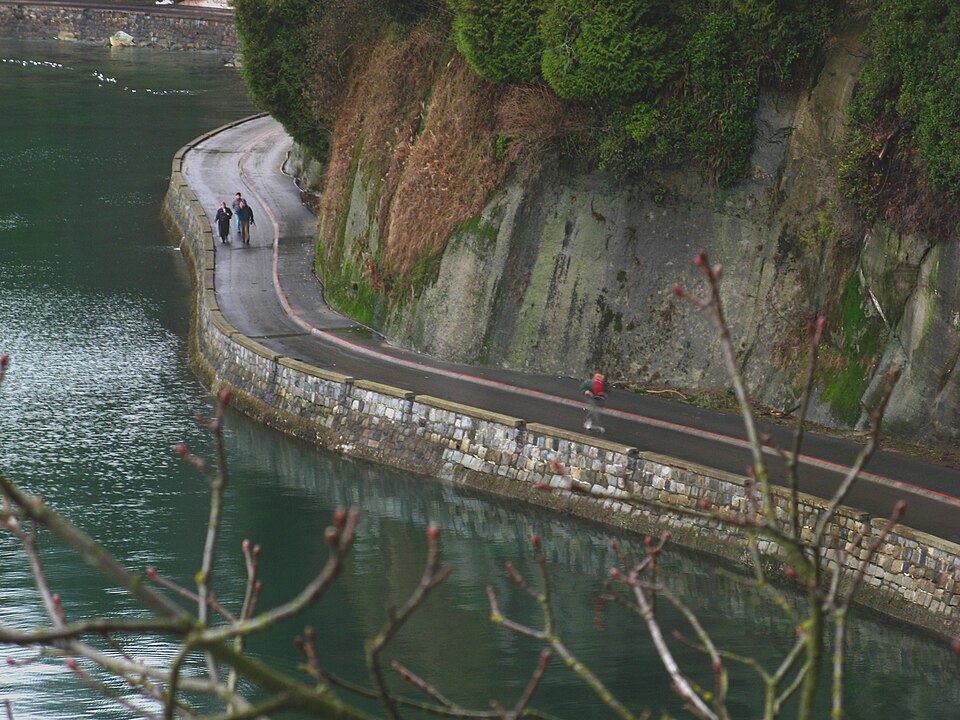 Photo: No machine-readable author provided. Bobanny assumed (based on copyright claims). · Public domainTrek Canada
The Stanley Park Seawall: Coal Harbour to English Bay on Foot
A flat, ten-kilometre loop around the edge of Vancouver's great forest park, from the marinas of Coal Harbour past totem poles, a lighthouse, the Lions Gate Bridge and a lone sea stack, to the sunset beaches of English Bay.
- Duration
- 1 day
- Distance
- 10 km
- Difficulty
- Easy
-
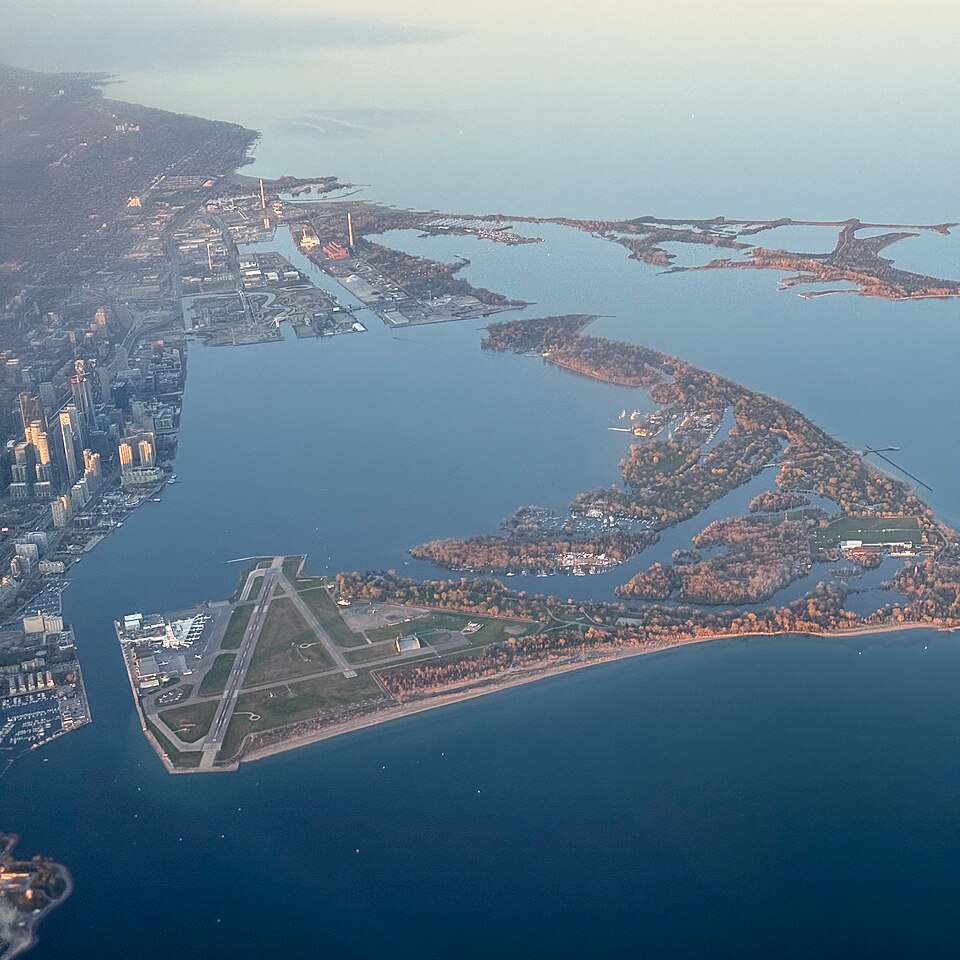 Photo: JK Liu · CC BY-SA 4.0Trek Canada
Toronto Islands Loop: Ward's Island to Hanlan's Point
A car-free crossing of Toronto's islands on foot or by bike: ferry to Ward's Island, the lakeshore boardwalk, Centre Island, the oldest lighthouse on the Great Lakes and sunset on Hanlan's Point Beach.
- Duration
- 1 day
- Distance
- 6.4 km
- Difficulty
- Easy
-
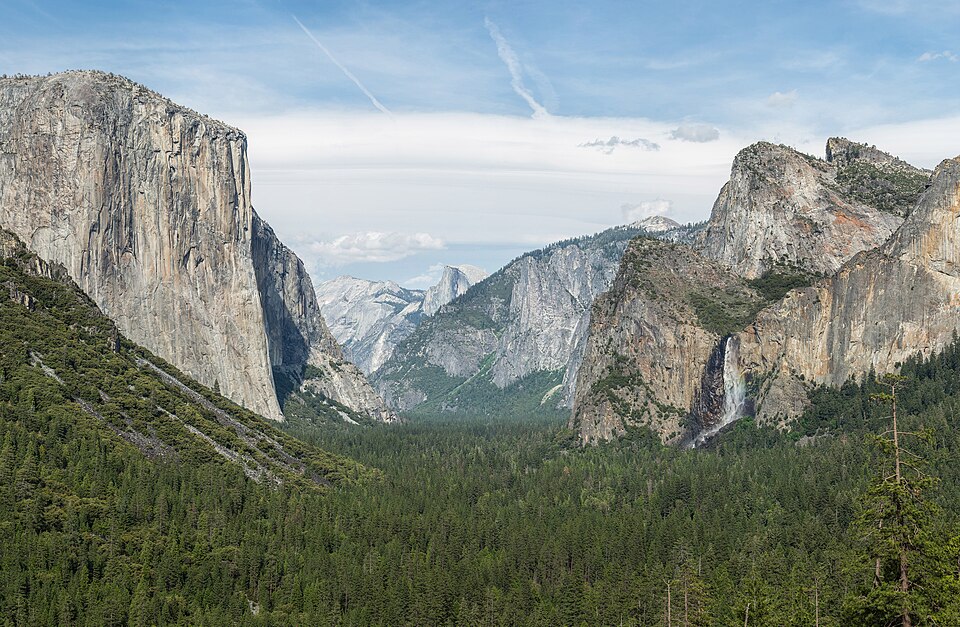 Photo: Diliff · CC BY-SA 3.0Trek USA
Yosemite Valley Floor — The Classic Day
A flat day on the floor of the valley, from the view at Tunnel View to Bridalveil Fall, El Capitan meadow, the base of Yosemite Falls and Cook's Meadow under Half Dome.
- Duration
- 1 day
- Distance
- 13 km
- Difficulty
- Easy
-
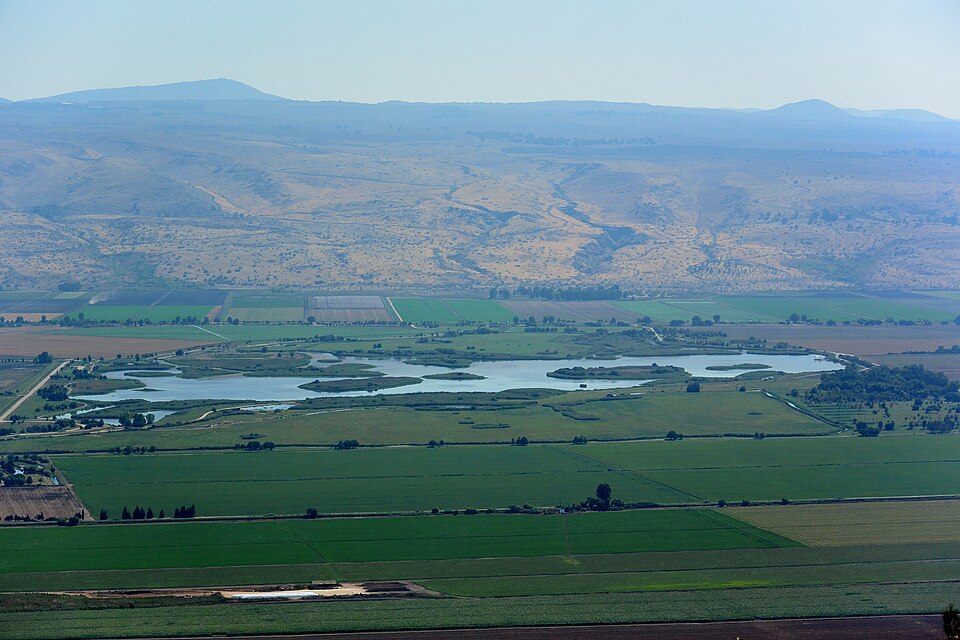 Photo: Jotpe · CC BY-SA 4.0Trek Israel
Agamon Hula — The Cranes of the Hula Valley
A flat circuit of the restored lake in the Hula Valley, one of the great bottlenecks of the Europe–Africa flyway, where tens of thousands of common cranes spend the winter within metres of a covered hide.
- Duration
- 1 day
- Distance
- 8.5 km
- Difficulty
- Easy
-
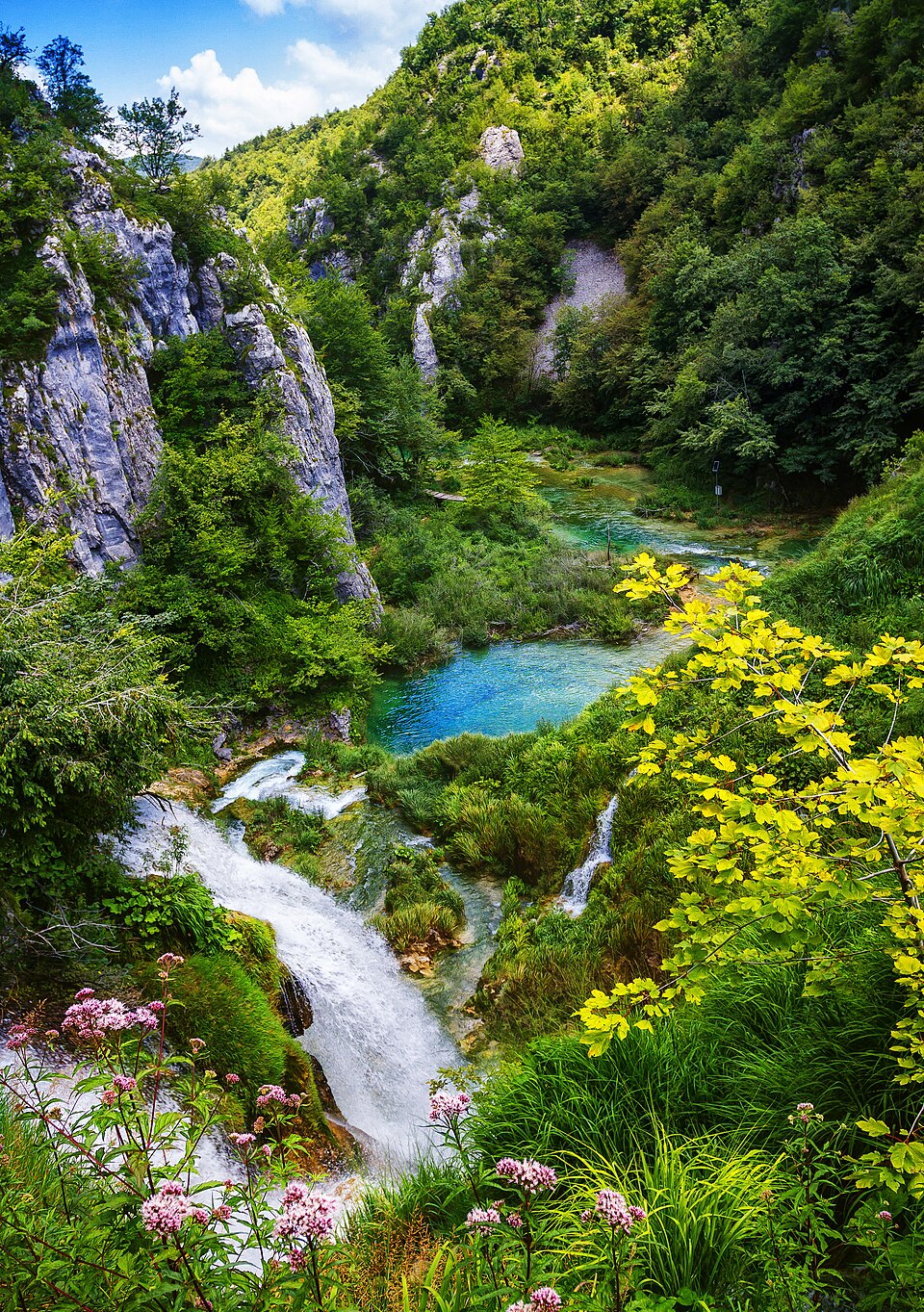 Photo: Zysko serhii · CC BY-SA 4.0Trek Croatia
Plitvice Lakes: The Full Traverse
One day walking the length of Croatia's oldest national park on boardwalks laid across sixteen terraced turquoise lakes, with an electric boat over Kozjak and the 78-metre Veliki Slap at the end.
- Duration
- 1 day
- Distance
- 18 km
- Difficulty
- Easy
-
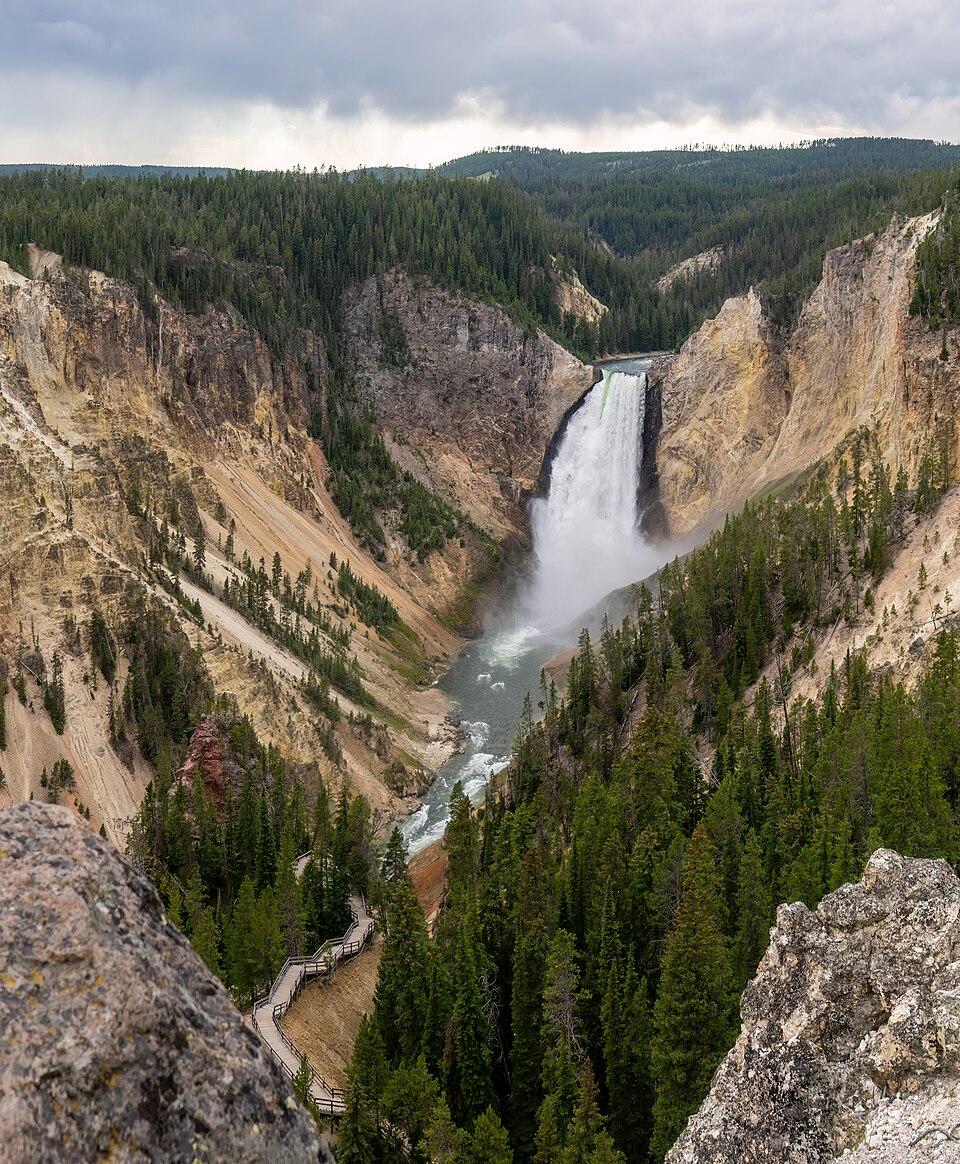 Photo: Rhododendrites · CC BY-SA 4.0Trek USA
The Upper Geyser Basin Boardwalk Walk
An easy day on the boardwalks of the Upper Geyser Basin — Old Faithful, the Castle, Grand and Riverside geysers, Morning Glory Pool, and a loop through Black Sand Basin.
- Duration
- 1 day
- Distance
- 8 km
- Difficulty
- Easy