Kilimanjaro: The Machame Route to Uhuru Peak
نصائح عملية ومعلومات مفيدة لمسار Kilimanjaro: The Machame Route to Uhuru Peak.
قائمة التجهيز
مُعدّة مسبقًا لهذا المسار، من المعدات التي يحتاجها مسار كهذا ومن المعدات التي تذكرها نصائحه. ضعوا علامة على كل غرض أثناء التجهيز.
Best time to go
-
Climb in the dry seasons
January–March and June–October are the windows; April–May is the long rains and best avoided entirely. Clearer skies also mean colder summit nights — the two go together.
Permits & fees
-
You cannot climb independently
Kilimanjaro National Park requires every climber to go with a licensed operator, guides and porters, and the substantial park fees are bundled into operator packages. Choosing a reputable operator that treats porters well is the single biggest quality decision of the trip — the shortcut is the KPAP partner list, the porter-welfare project that monitors crews on the mountain. Expect a weight limit on your own duffel too: porter loads are capped by Tanzanian law and checked at the park gates.
Safety
-
Take six or seven days, not five
The Machame profile already helps with its climb-high-sleep-low day via Lava Tower, but the extra acclimatisation day sharply improves both summit success and safety. Walk ‘pole pole’ — slowly, slowly — drink constantly, and tell your guide about any symptoms immediately.
Local insights
-
Summit night starts around midnight
The push from Barafu begins near midnight to reach Stella Point on the crater rim around sunrise, followed by a gentler walk along the rim to Uhuru Peak. Expect temperatures well below freezing with strong wind, on scree, in the dark — it is the hardest thing most trekkers have ever done, and it’s over by mid-morning.
-
The tipping ceremony is a real budget line
On the last morning the whole crew gathers to sing, celebrate and receive tips — it’s a genuine tradition and a meaningful part of the crew’s income, not an optional extra. Plan cash for it before you leave town and ask your operator for the customary split between guides, cooks and porters. Groups usually pool it and hand it over together at the ceremony.
-
The Barranco Wall is friendlier than it looks
From Barranco camp the route climbs a steep lava wall that looks alarming from below, but it’s a hands-on scramble on big holds, not technical climbing — you’ll even hug the famous Kissing Rock. Porters go up it daily with full loads. Take it slowly and you’re on top within the hour, at one of the best photo spots on the route.
Gear & packing
-
Pack for five climate zones
The route runs from rainforest through moorland and alpine desert to an arctic summit. That means rain gear low down, serious insulation up high, and a layering system that handles both within a single week.
-
The cold kills batteries before it bothers you
Summit-night cold flattens phone and camera batteries long before dawn, so keep electronics and spares in inside pockets or your sleeping bag, and bring a power bank — there’s no charging on the mountain. Water freezes too: bladder hoses ice up first, so carry summit-night water in insulated bottles, stored upside down so the neck freezes last.
Getting there
-
Fly to JRO, base in Moshi or Arusha
Kilimanjaro International Airport is the gateway; operators run trips from Moshi and Arusha to the Machame Gate. Arrive a day or two early to sort gear checks and rest before the gate.
Water & food
-
Hydration is your acclimatisation tool
Guides will push three to four litres a day for a reason — dehydration mimics and worsens altitude sickness. Camp meals are plentiful; eat even when altitude kills your appetite.
قد يعجبكم أيضًا
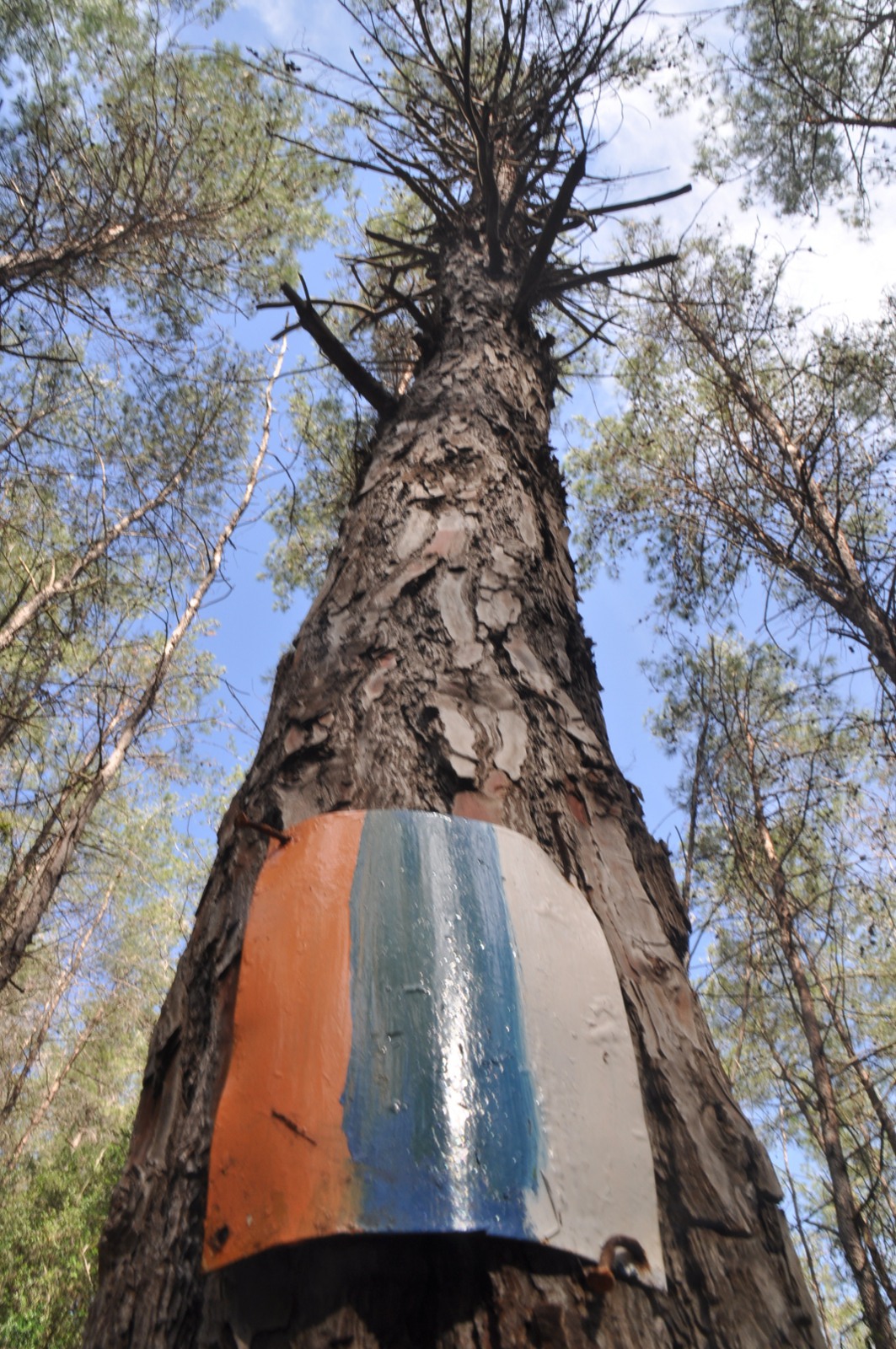
- صورة: אורן פלס · CC BY 2.5رحلة مشي إسرائيل
Israel National Trail: Five-Day Highlights
The most beautiful five days of the 1,100 km Israel National Trail — the Galilee ridges, Mount Carmel, the Wilderness of Zin, the Ramon Crater and the Eilat Mountains down to the Red Sea.
- المدة
- 5 أيام
- المسافة
- 92 كم
- مستوى الصعوبة
- صعب
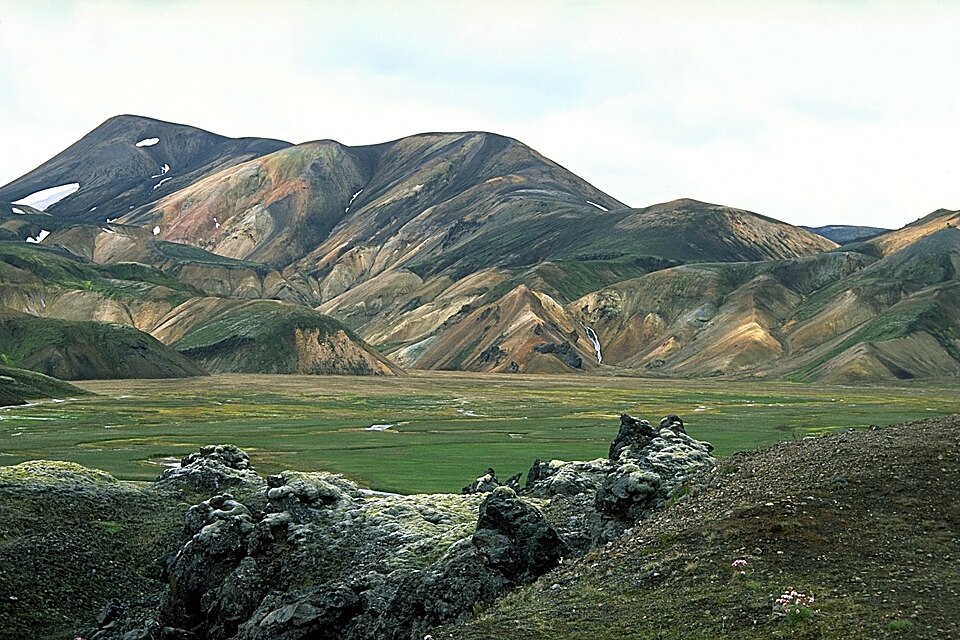
- صورة: Andreas Tille · CC BY-SA 4.0رحلة مشي آيسلندا
The Laugavegur Trail — Landmannalaugar to Þórsmörk
Four days across Iceland's southern highlands, from the rhyolite mountains and hot springs of Landmannalaugar over an obsidian plateau and black-sand deserts to the birch woods of Þórsmörk.
- المدة
- 4 أيام
- المسافة
- 55 كم
- مستوى الصعوبة
- متوسط
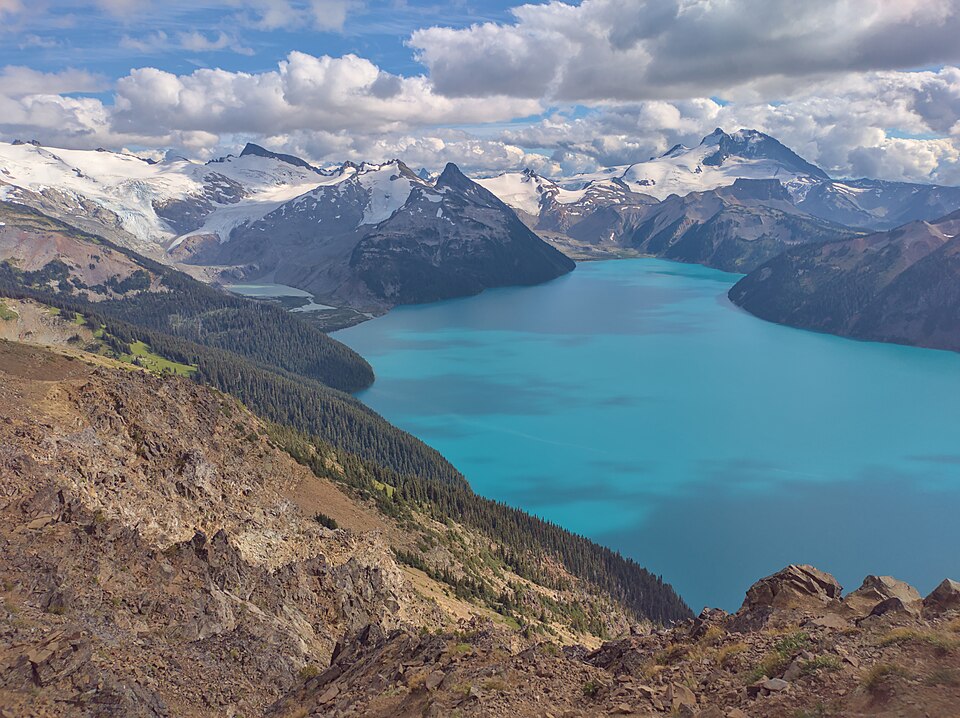
- صورة: The Cosmonaut · CC BY-SA 2.5 caرحلة مشي كندا
Garibaldi Lake from Rubble Creek
The big day hike of the Sea-to-Sky: nine kilometres and about 900 metres up through old forest from Rubble Creek to a vast turquoise lake held back by a volcanic lava dam, with glaciers pouring into its far shore.
- المدة
- 1 يوم
- المسافة
- 18 كم
- مستوى الصعوبة
- صعب
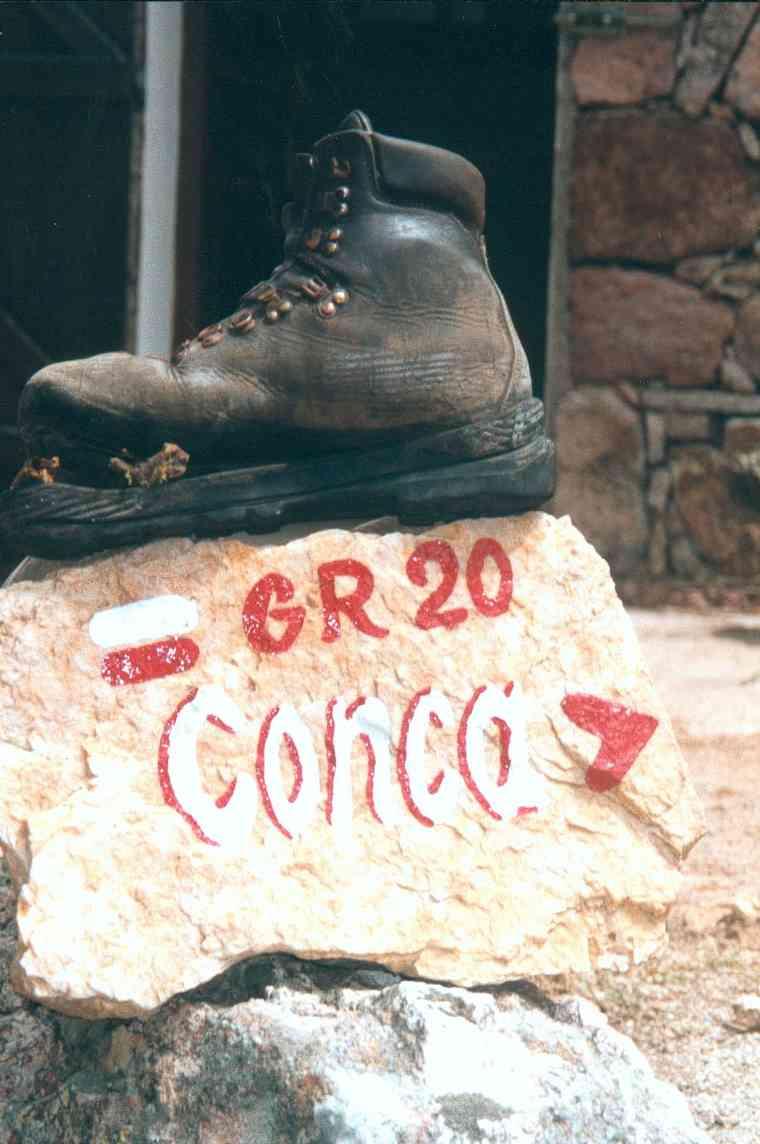
- صورة: User:Tcherome · Public domainرحلة مشي فرنسا
GR20 North — Calenzana to Vizzavona
Six demanding days across the granite spine of northern Corsica, from the maquis above Calenzana over the Monte Cinto massif and past Lac de Nino to the forests of Vizzavona.
- المدة
- 6 أيام
- المسافة
- 98 كم
- مستوى الصعوبة
- للخبراء