Orlando in 11 Days
Practical, route-specific tips and insights for Orlando in 11 Days.
Where to stay
-
Eleven nights makes the base decision matter
International Drive is the central, good-value choice with some attractions walkable. The Disney area around Lake Buena Vista buys early entry and Disney’s free transport for the first block. Universal’s premier hotels include Express passes, which is tempting for the three-park block. For families of five or more, a vacation home near Lake Buena Vista or Kissimmee beats two hotel rooms — but it assumes a car. Splitting the stay between a Disney-side and a Universal-side base is genuinely worth the repack on a trip this length.
-
Universal's premier hotels are a queue-skip in disguise
Royal Pacific, Hard Rock and Portofino Bay include unlimited Express Pass at Universal Studios Florida and Islands of Adventure for every registered guest — on check-in and check-out days too, so one night covers two park days. Against buying Express Passes separately for a whole family, the room can effectively pay for itself. It does not cover Epic Universe — verify the current terms at universalorlando.com when you book.
Getting there
-
This itinerary is where a car starts earning its keep
Disney runs free buses, the monorail and the Skyliner from its hotels, and rideshare covers the parks fine. But Kennedy Space Center is about an hour east on the coast with no practical transit option, and SeaWorld and the water parks are easier driven. Rent for the whole stay or just the back half — and respect I-4 rush hour, which is real.
Smart savings
-
Six half days beat four full days
Here is the math the parks do not advertise: extra days on a multi-day Disney ticket cost comparatively little, so on a trip this long you can stretch the same four parks across five or six shorter visits instead of four open-to-close marathons. Arrive mid-afternoon rested from the pool, ride into the evening, stay for the fireworks — you see nearly as much at a fraction of the fatigue, because a full park day is brutal, especially with kids. This itinerary works either way; the half-day version is the one second-time visitors swear by.
Tickets & reservations
-
Two multi-day tickets, not one long one
Buy a 4-day Disney ticket and a separate Universal multi-park ticket — per-day cost drops steeply with length on both. Park Hopper only pays if you truly want two Disney parks in one day. Check whether a park reservation is required for your Disney dates, and check the current ticket structure for how Epic Universe access works — Universal has sold it differently from its older parks.
Beating the lines
-
Rope drop is worth more than any paid pass
The first hour after opening moves more rides than any afternoon strategy. Save Lightning Lane at Disney and Express Pass at Universal for the days that matter most — typically Magic Kingdom and Epic Universe, where demand runs hottest. Book Epic Universe as early in the trip planning as anything else you do.
Best time to go
-
October–April, and know the summer pattern
The parks run year-round, but October–April is cooler and calmer. Summer brings serious heat and near-daily afternoon thunderstorms — outdoor rides pause and reopen once the cell passes, so mornings are for the big rides. Hurricane season is June to November, cheapest and riskiest. Avoid spring break and Christmas week unless crowds do not bother you.
With kids
-
The rest day is load-bearing — do not trade it away
Never run more than three park days back-to-back with kids; this itinerary is built around that rule, with day 5 as the release valve. Keep afternoon pool breaks on park days too. Rider switch (child swap) exists at both Disney and Universal, so adults can each ride the headliners without doubling the queue time.
-
Strollers, and the art of the mid-day retreat
Bring or rent a stroller even for kids who have outgrown one at home — park days run many kilometers. The families who last eleven days are the ones who leave the park at two, swim, nap, and come back at five. The parks reward the returners with shorter evening lines.
Food
-
Mobile ordering, Epcot grazing, and Disney Springs nights
Use the Disney and Universal apps to mobile-order lunch before you are hungry. At Epcot, skip a formal lunch and graze around World Showcase instead. Disney Springs needs no ticket and holds the best restaurant depth on property — it is the natural evening for the rest day. And if you book a Disney resort package, price the Disney Dining Plan — prepaid quick-service and table-service credits — plus the package extras that have historically included things like water-park admission; check the current inclusions against paying separately.
Local insights
-
Kennedy is a different kind of day — treat it that way
The Kennedy Space Center day trip is the change of key in this itinerary: real rockets, real history, an hour’s drive each way. Leave early, check whether a launch is scheduled for your dates — a launch reshapes the whole day — and do not plan a big evening after it.
-
The afternoon storm is part of the schedule
In summer the mid-afternoon thunderstorm is nearly a daily fixture. Rides close, the radar clears, rides reopen — usually inside an hour. Plan an indoor show or a long air-conditioned queue for that window and you lose nothing.
You might also like
-
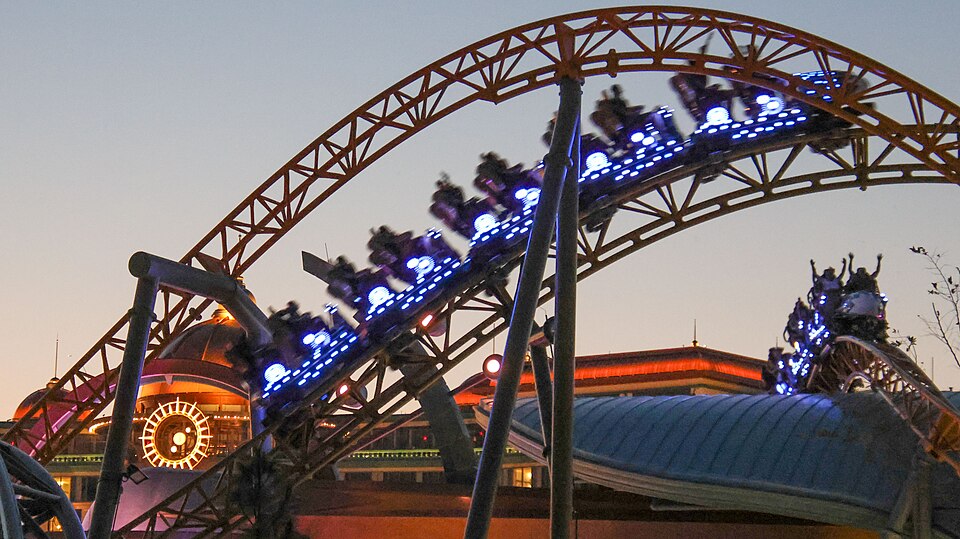 Photo: Gfgbeach · CC0Itinerary USA
Orlando in 14 Days
Two full weeks, nothing skipped: every Disney and Universal park, two water parks, Discovery Cove or SeaWorld, Kennedy Space Center, a kids-or-gators day, and a slow Winter Park finale.
- Duration
- 14 days
- Distance
- 110 km
- Difficulty
- Easy
-
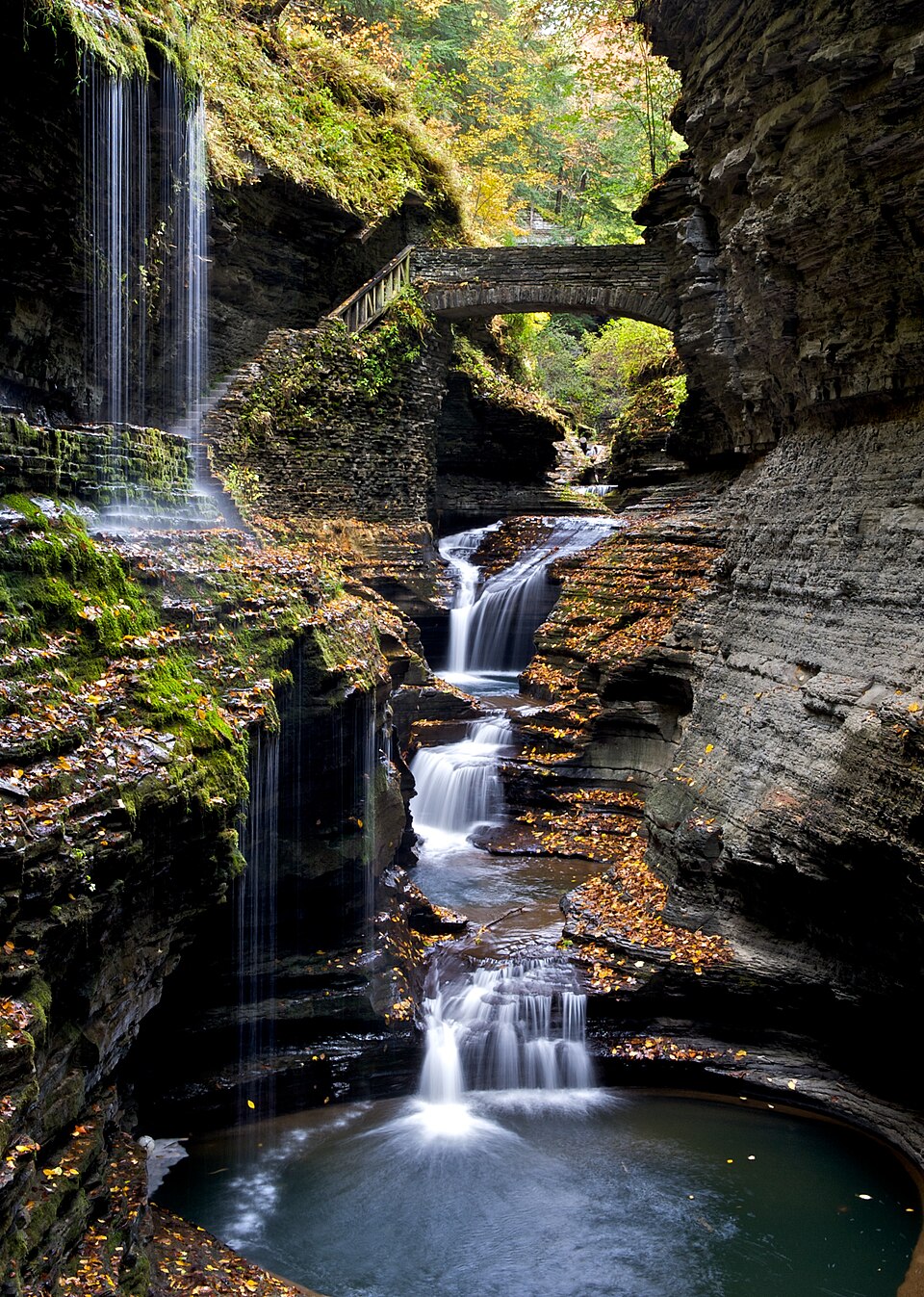 Photo: Flickr user: Peter Rivera Stamford, Connecticut https://www.flickr.com/people/riverap1/ · CC BY 2.0Itinerary USA & Canada
New York to Toronto by Car: Hudson Valley, Finger Lakes and Niagara in Five Days
About 900 kilometres from Manhattan to Toronto the long way round: sculpture and mountain views in the Hudson Valley, Catskills waterfalls, the gorges of the Finger Lakes, both sides of Niagara Falls and the wine country of Niagara-on-the-Lake.
- Duration
- 5 days
- Distance
- 900 km
- Difficulty
- Easy
-
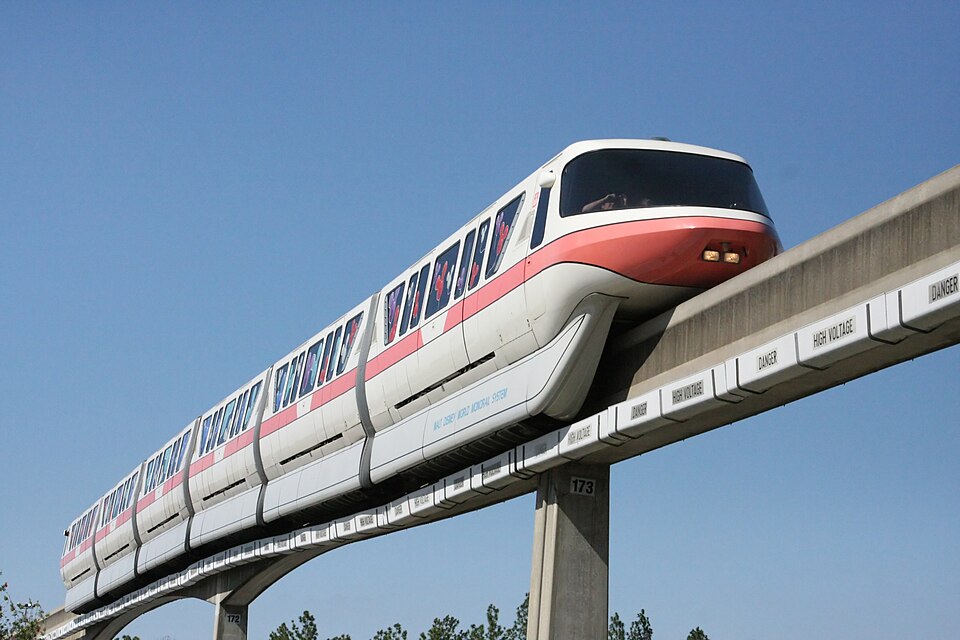 Photo: WillMcC · CC BY-SA 3.0Itinerary USA
Orlando in 7 Days
One tight, well-ordered week: the four Walt Disney World parks first, then Universal's two classic parks, and a slow Disney Springs morning before the flight home.
- Duration
- 7 days
- Distance
- 65 km
- Difficulty
- Easy
-
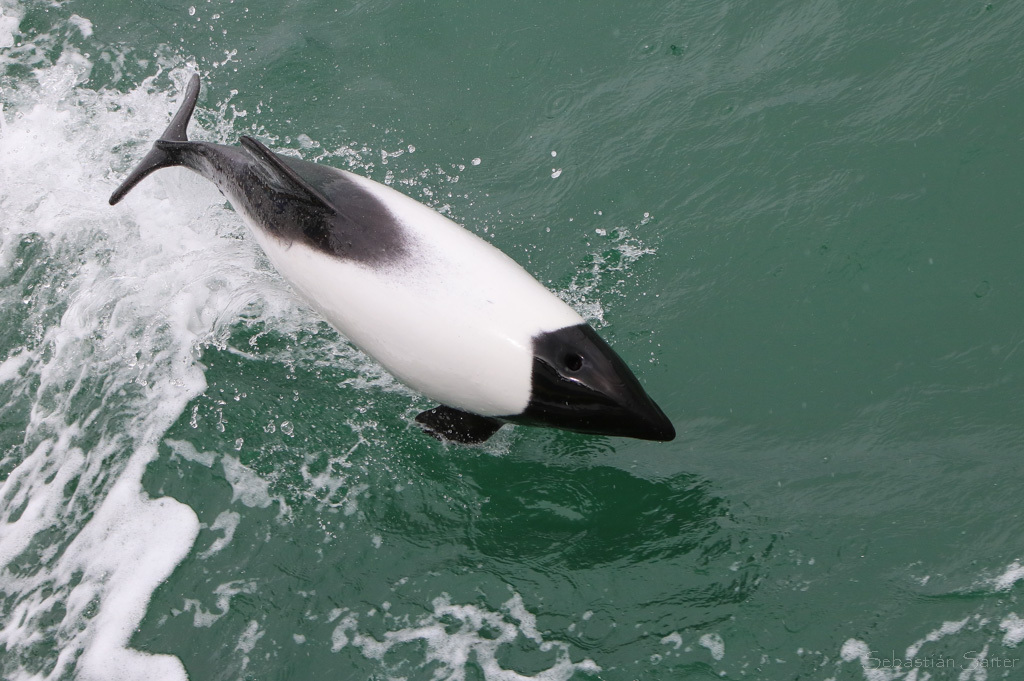 Photo: Sebastián Saiter V. · CC BY 4.0Attraction USA
Aquatica Orlando: The Water Park With Dolphins in the Plumbing
SeaWorld's South-Seas water park on the I-Drive corridor — a see-through slide past Commerson's dolphins and leopard sharks, twin wave pools, dueling rivers and one of Orlando's best kids' water fortresses.
- Duration
- 1 day
- Distance
- 3 km
- Difficulty
- Easy