Caesarea Maritima: Herod's Roman Port by the Sea
Practical, route-specific tips and insights for Caesarea Maritima: Herod's Roman Port by the Sea.
Packing list
Filled in for this route from the kit a walk like this needs and the gear its tips mention. Tick things off as you pack.
Getting there
-
Two entrances, and which you pick decides the shape of the day
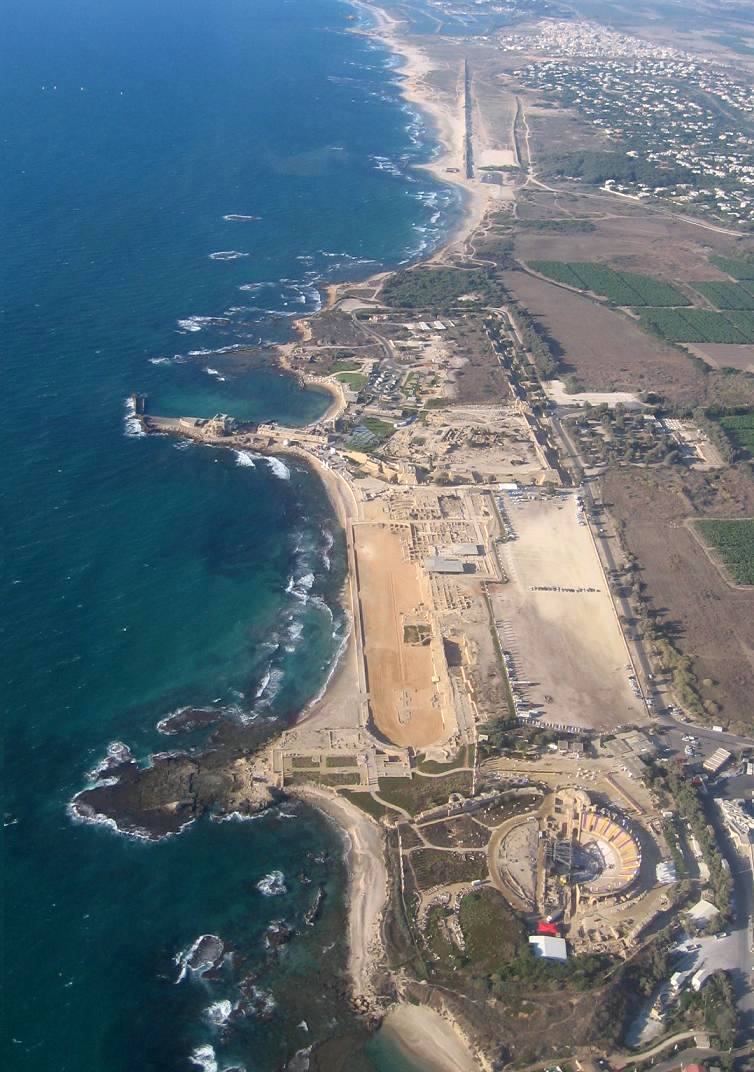
The park has a northern gate through the Crusader ramparts that opens straight onto the harbour and its restaurants, and a southern gate at the Roman theatre about 600 metres away. Enter at the south and walk north with the sea on your left and you take theatre, promontory palace, hippodrome and harbour in one line without doubling back, leaving through the Crusader gate. Enter at the north and you will walk the whole site twice.
Tickets & reservations
-
Entry closes an hour before the park does
Israel’s national parks stop admitting visitors one hour before the posted closing time, and Fridays and holiday eves close about an hour earlier than the rest of the week. Caesarea needs two to three hours at a walking pace, more if you swim, so check the closing time for the specific day, subtract an hour, and treat that as your real deadline — this is the most common way visitors miss the aqueduct.
Smart savings
-
After closing, the harbour is free
The restaurants and bars inside the Crusader harbour keep going past the park’s own closing time, and once the ticket gate has stopped selling you can walk in to eat without paying park admission — dinner on a 2,000-year-old quay for the price of dinner. The aqueduct beach north of the park is outside the gate entirely and is free and open all the time, which is where the sunset photograph everyone comes for actually gets taken.
Local insights
-
Herod's harbour is still down there, and snorkellers can see it
The great breakwaters Herod sank into open sea eventually subsided, and the columns, quays and anchors are still on the seabed off the modern port — marked out as Israel’s first underwater archaeological park. The shallow route runs to about four metres and works on a snorkel; guided dives go to roughly eight. Israeli diving law means certified divers must produce certification, valid insurance and a logbook with a recent stamped dive, so bring the paperwork, not just the gear.
-
The theatre was rebuilt to be used — check what is playing
Israel’s oldest Roman theatre was not merely conserved, it was restored into a working venue, and it hosts concerts on summer evenings with the Mediterranean directly behind the stage. Sitting in it at night with a performance on is a completely different visit from walking it as a ruin at noon, and it is the one thing about Caesarea that regular visitors plan their year around.
-
The free art museum next door is the local answer to midday
A short hop from the park, the Ralli Museum shows Latin American and surrealist art in a purpose-built Andalusian-style building set in gardens, and charges no admission at all. It is air-conditioned, it is almost never crowded, and it is what people who live nearby do with the hottest two hours of the day before going back out to the ruins in better light.
Water & food
-
There is almost no shade between the theatre and the harbour
The ruins sit on open shoreline with no tree cover at all, so water, a hat and sunscreen are not optional — and March to May and October to November are far kinder than midsummer, with the sea still warm at both ends. Bring a swimsuit as well: the aqueduct beach at the northern end is a real swimming beach, and the arches running up the sand are the reason to finish there rather than start.
Best time to go
-
Shoulder season, and the last two hours of the day
March to May and October to November give you warm sea and bearable sun; midsummer on unshaded stone is a different sport. Within the day, the last couple of hours before closing put the light behind the sea, empty the site of tour groups, and set you up to walk out through the Crusader gate and along to the aqueduct for sunset — provided you got in before the one-hour cut-off.
You might also like
-
 Photo: Omer berner · CC BY-SA 4.0City walk Israel
Beit She'an: Walking Roman Scythopolis
The most complete Roman-Byzantine city in Israel — a colonnaded main street, a theatre for about 7,000, two bathhouses, and columns still lying where an earthquake threw them in 749.
- Duration
- 1 day
- Distance
- 3 km
- Difficulty
- Easy
-
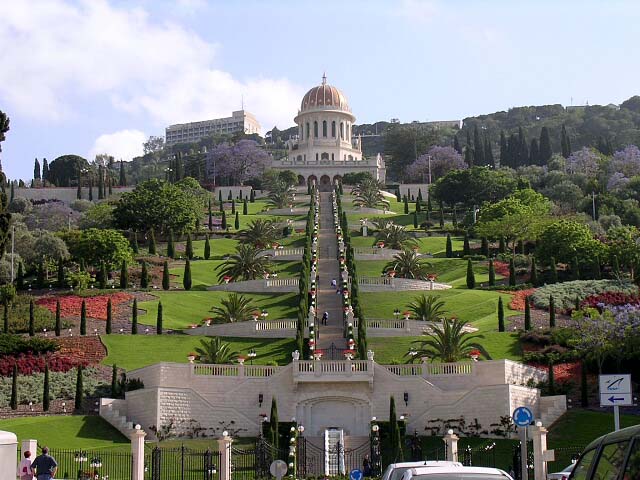 Photo: Arash Hashemi · CC BY-SA 3.0City walk Israel
Haifa: The Baháʼí Terraces, the German Colony and Wadi Nisnas
One downhill day across Mount Carmel — nineteen garden terraces, a golden shrine, a Templer boulevard, an Arab market quarter, and a cable car back to the sea.
- Duration
- 1 day
- Distance
- 5 km
- Difficulty
- Easy
-
 Photo: israeltourism from Israel · CC BY 2.0City walk Israel
Old City of Acre: Crusaders, Khans and the Sea Walls
One easy day inside a walled port city where a Crusader fortress hides underground beneath an Ottoman capital, ringed by sea walls that stopped Napoleon.
- Duration
- 1 day
- Distance
- 2 km
- Difficulty
- Easy
-
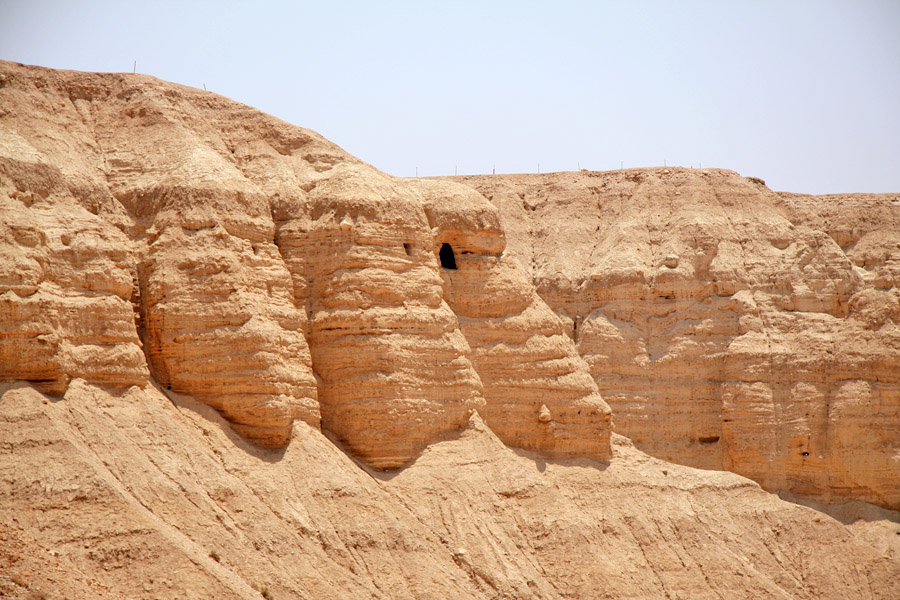 Photo: Tamarah · CC BY-SA 2.5City walk Israel
Qumran: The Settlement of the Dead Sea Scrolls
A single day on the marl plateau above the Dead Sea, where the caves gave up the Dead Sea Scrolls — the ruined settlement, the ritual baths, the scriptorium, the water system and the long argument over who lived here.
- Duration
- 1 day
- Distance
- 1.5 km
- Difficulty
- Easy