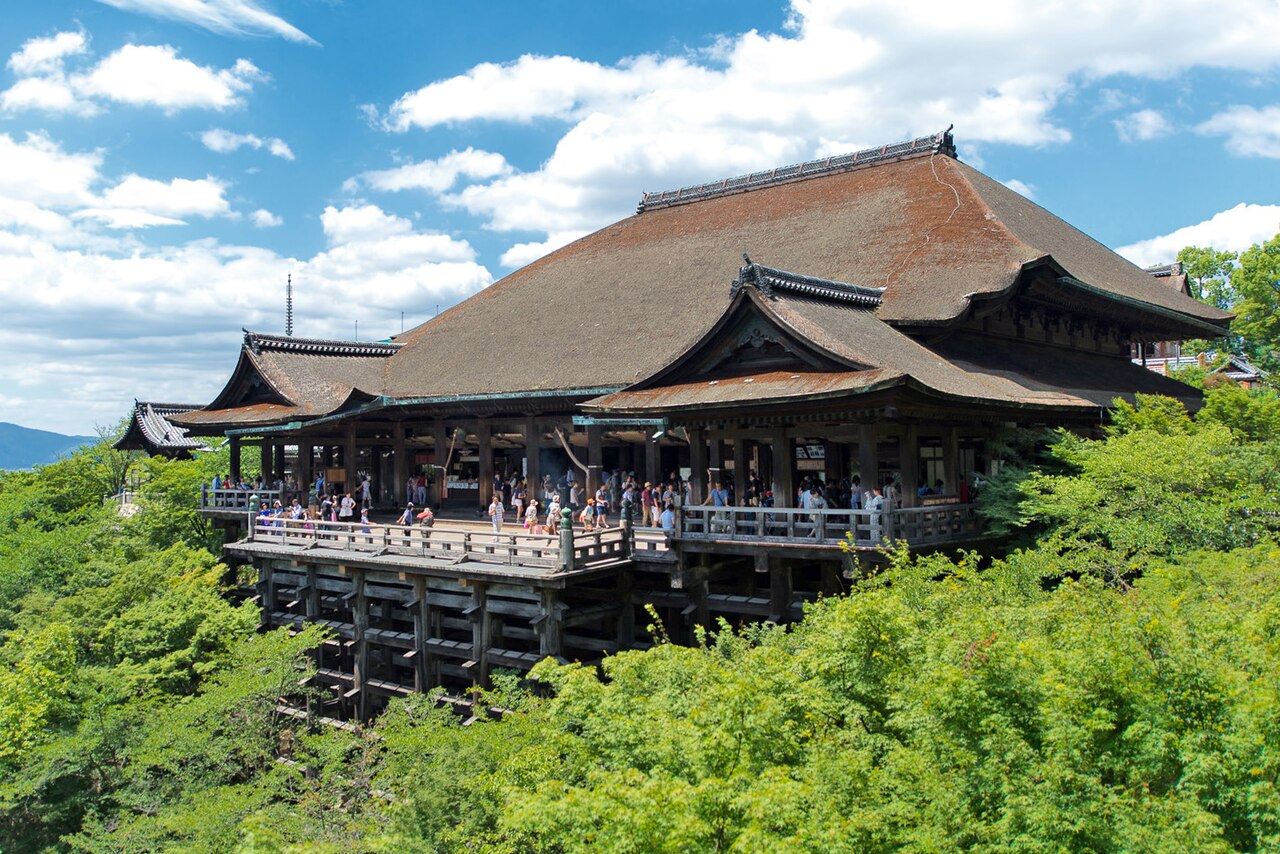
ממקדש על ראש גבעה מטה דרך רחובות עתיקים, על פני מקדשים ושערים, והחוצה לאורך תעלה מפורסמת עטורת עצים.
מקטעים
-
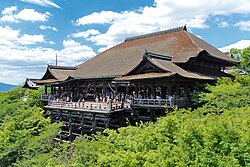 מקדש קיומיזו
תחנת האוטובוס גוג'ו־זקה ← האולם הראשי של קיומיזו
גישת מקדש ומדרגות אבן
מקדש מורשת עולמית של אונסק"ו, שהבמה הגדולה שלו מעץ בולטת מעל המדרון על עמודים גבוהים ומעניקה נוף רחב על קיוטו. מתחתיה, שתו משלושת הזרמים של מפל אוטובה. הקצו כשעה.
על המקום הזה
Kiyomizu-dera is a Buddhist temple located in eastern Kyoto, Japan. It belongs to the Kita-Hosso sect of Japanese Buddhism and its honzon is a hibutsu statue of Jūichimen Kannon. The temple's full name is Otowa-san Kiyomizu-dera. The temple is the 16th stop on the Saigoku Kannon Pilgrimage route. Along with Kōryū-ji and Kurama-dera, it is one of the few temples in Kyoto that predates the foundation of the capital to Heian-kyō. It is also one of Japan's leading temples dedicated to the worship of Kannon, along with Ishiyama-dera and Hase-dera. It is a famous tourist destination in Kyoto City, attracting many pilgrims throughout the year. Since 1995, it holds the Kanji of the Year ceremony on 12 December every year. The temple is part of the Historic Monuments of Ancient Kyoto UNESCO World Heritage Site.
קראו עוד בוויקיפדיה צילום: Jordy Meow · CC BY-SA 3.0 -
 סמטאות סאננן־זקה ונינן־זקה
מקדש קיומיזו ← קודאי־ג'י
רחובות אבן מדורגים ומשומרים
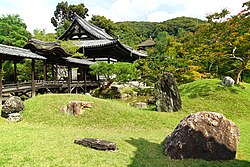
רדו בשני רחובות אבן מדורגים ומשומרים, מוקפים בחנויות מאצ'יה מעץ, בתי תה ודוכני ממתקים — הסמטאות המצולמות ביותר בעיר — עד המקדש השקט קודאי־ג'י וחורשת הבמבוק שלו.
על המקום הזה
Kōdai-ji (高台寺) is a Buddhist temple located in the Shimogawara neighborhood of Higashiyama-ku, Kyoto, Japan. It belongs to the Kenninji branch of the Rinzai school of Japanese Zen. Its sangō prefix is Jubuzan (鷲峰山), and its Main image is a statue Shaka Nyorai. Its precincts were designated a National Historic Site in 1966. The gardens of Kōdai-ji were designed by Kobori Enshū and are a nationally designated Place of Scenic Beauty.
קראו עוד בוויקיפדיה צילום: 663highland · CC BY-SA 4.0 -
 פארק מארויאמה ומקדש יאסקה
קודאי־ג'י ← מקדש יאסקה
שבילי פארק
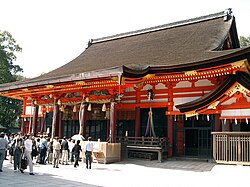
חצו את פארק פריחת הדובדבן האהוב על קיוטו אל מקדש יאסקה האדום, כניסה חינם וביתו של פסטיבל גיון מאצורי הקיצי. שערו המערבי נפתח אל קצה רובע הגיישות העתיק.
על המקום הזה
Yasaka Shrine , once called Gion Shrine , is a Shinto shrine in the Gion District of Kyoto, Japan. Situated at the east end of Shijō-dōri, the shrine includes several buildings, including gates, a main hall and a stage. The Yasaka shrine is dedicated to Susanoo in the tradition of the Gion faith as its chief kami, with his consort Kushinadahime on the east, and eight offspring deities on the west. The yahashira no mikogami include Yashimajinumi no kami, Itakeru no kami, Ōyatsuhime no kami, Tsumatsuhime no kami, Ōtoshi no kami, Ukanomitama no kami, Ōyatsuhiko no kami, and Suseribime no mikoto.
קראו עוד בוויקיפדיה צילום: Wikimedia Commons · CC BY-SA 3.0 -
 צ'יון־אין ושורן־אין
מקדש יאסקה ← שורן־אין
סמטאות מקדשים
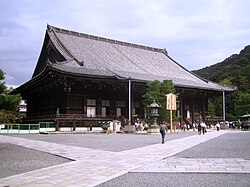
עברו מתחת לשער הסאנמון הענק של צ'יון־אין — שער המקדש הגדול ביותר מעץ ביפן — ואז הגיעו אל המקדש הקיסרי השליו שורן־אין, הידוע בגנו ובעצי הקמפור הענקיים.
על המקום הזה
Chion-in in Higashiyama-ku, Kyoto, Japan is the headquarters of the Jōdo-shū founded by Hōnen (1133–1212), who proclaimed that sentient beings are reborn in Amida Buddha's Western Paradise by reciting the nembutsu, Amida Buddha's name.
קראו עוד בוויקיפדיה צילום: Lombroso · Public domain -
 נאנזן־ג'י ואייקאן־דו
שורן־אין ← אייקאן־דו
מתחמי מקדשים ורחובות
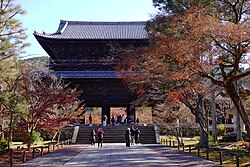
נאנזן־ג'י משתרע על מדרון מיוער מאחורי שער מתנשא ואמת מים מרשימה מתקופת מייג'י. אייקאן־דו הסמוך הוא מהמקומות היפים בקיוטו למייפל הסתיו.
על המקום הזה
Nanzen-ji , or Zuiryusan Nanzen-ji, formerly Zenrin-ji , is a Zen Buddhist temple in Kyoto, Japan. Emperor Kameyama established it in 1291 on the site of his previous detached palace. It is also the headquarters of the Nanzen-ji branch of Rinzai Zen. The precincts of Nanzen-ji are a nationally designated Historic Site and the Hōjō gardens a Place of Scenic Beauty. The temple was destroyed in a fire in 1895 and rebuilt in 1909.
קראו עוד בוויקיפדיה צילום: 663highland · CC BY-SA 4.0 -
 שביל הפילוסוף אל הביתן הכסוף
אזור נאנזן־ג'י ← גינקאקו־ג'י
שביל לצד תעלה
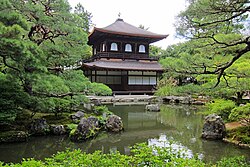
לכו לאורך שביל הפילוסוף שלצד התעלה, שני קילומטרים של עצי דובדבן ומייפל הקרויים על שם פרופסור שהלך בו מדי יום, המסתיים בגני הטחב והחול המסורק של הביתן הכסוף.
על המקום הזה
Ginkaku-ji , officially named Jishō-ji , is a Zen temple in the Sakyo ward of Kyoto, Japan. It is one of the constructions that represent the Higashiyama Culture of the Muromachi period.
קראו עוד בוויקיפדיה צילום: Oilstreet · CC BY 2.5
תגובות
התחברו כדי להצטרף לשיחה.
אין עדיין תגובות — היו הראשונים.