The Laugavegur Trail — Landmannalaugar to Þórsmörk
نصائح عملية ومعلومات مفيدة لمسار The Laugavegur Trail — Landmannalaugar to Þórsmörk.
قائمة التجهيز
مُعدّة مسبقًا لهذا المسار، من المعدات التي يحتاجها مسار كهذا ومن المعدات التي تذكرها نصائحه. ضعوا علامة على كل غرض أثناء التجهيز.
Sleeping & booking
-
Hut beds sell out months ahead
The Ferðafélag Íslands huts at Hrafntinnusker, Álftavatn and Emstrur are the route’s backbone, and FÍ has historically opened the next summer’s reservations in autumn — July and August beds are often gone by spring. Book the moment your dates firm up, or carry a tent and use the marked campsites beside each hut, which haven’t required reservations.
-
An hour past Álftavatn, Hvanngil is the quiet bet
If Álftavatn is full — or you simply prefer small — the Hvanngil hut and campsite sit about an hour further along the trail in a sheltered hollow, and stay noticeably calmer on windy nights. Splitting the stage there also trims the long Emstrur day. Same booking system, same season.
Safety
-
Take the river crossings seriously
Several fords are unbridged; the Þröngá on the final day into Þórsmörk is the biggest. Glacier-fed rivers run lowest in the morning and rise with the day’s melt, so plan crossings early. Carry sandals or wading shoes, unbuckle your pack’s hip belt, and never cross alone in high water — wait or team up.
-
File a plan with SafeTravel, and let the wardens veto it
Icelandic highland weather can shut the trail even in July, and fog on the obsidian plateau erases visibility fast. Log your route with SafeTravel, Iceland’s official travel-plan service, check the forecast at the hut each morning, and treat the wardens’ advice as final — they have seen every version of this weather. A storm day spent at a hut beats every alternative.
Best time to go
-
Late June to early September only
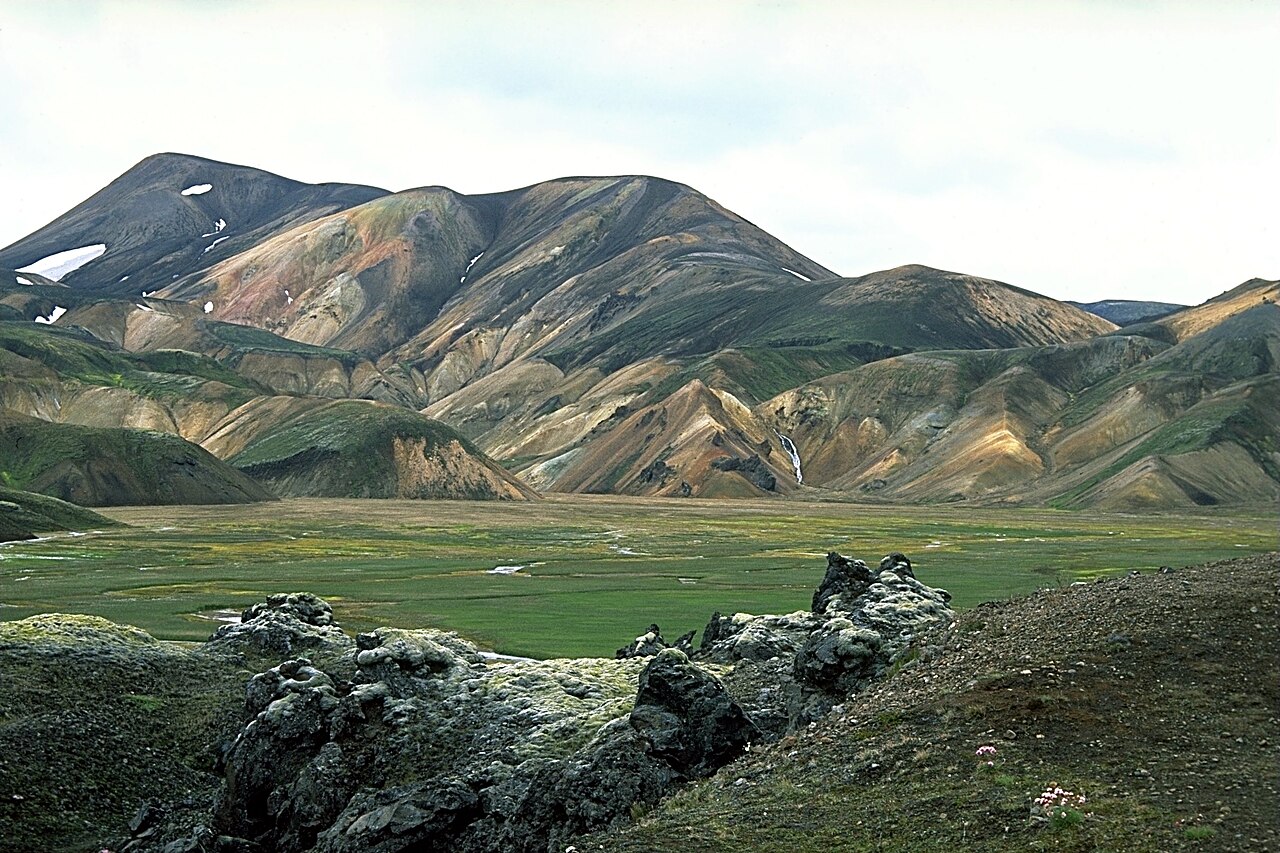
The trail effectively opens when the huts are staffed and closes when they shut. Snow can linger on the high obsidian plateau even into July, so early-season walkers should expect snowfields around Hrafntinnusker.
Getting there
-
The highland buses are the route's bookends
Seasonal highland buses run Reykjavík–Landmannalaugar and back out of Þórsmörk — operators such as Trex and Reykjavik Excursions have historically served both ends; there is no road link for normal cars. Book both legs when you book the huts, and treat the last bus out of Þórsmörk as a hard deadline.
Gear & packing
-
Pack for sun, sleet and fog in one afternoon
The weather does the grading on this trail. Full waterproofs, warm layers, gloves and a hat belong in the pack in every month it’s open — Hrafntinnusker at ~1,050 m is often the coldest, windiest night of the trek.
Local insights
-
Save energy for a soak at the start
Landmannalaugar’s natural hot springs sit right by the trailhead. Arrive on an early bus and soak before you set out — after that first climb to Hrafntinnusker, you’ll understand why locals linger there.
-
With one spare day, keep going over Fimmvörðuháls
From Þórsmörk the trail can continue one more huge day over the Fimmvörðuháls pass to Skógar, squeezing between the Eyjafjallajökull and Mýrdalsjökull ice caps past craters left by the 2010 eruption, and finishing beside the Skógafoss waterfall. It turns a great trek into a complete one — and buses run from Skógar back to Reykjavík too.
Water & food
-
Carry every meal — the trail has no shops
There is nothing to buy between Landmannalaugar and Þórsmörk: no villages, no cafés, and the huts are not food shops. Pack every breakfast, dinner and snack for the full crossing, plus a spare day’s food for weather delays. The good news: hut guests get fully equipped shared kitchens, and clear side-streams along the way are generally fine to drink — skip the bottled-water weight.
قد يعجبكم أيضًا
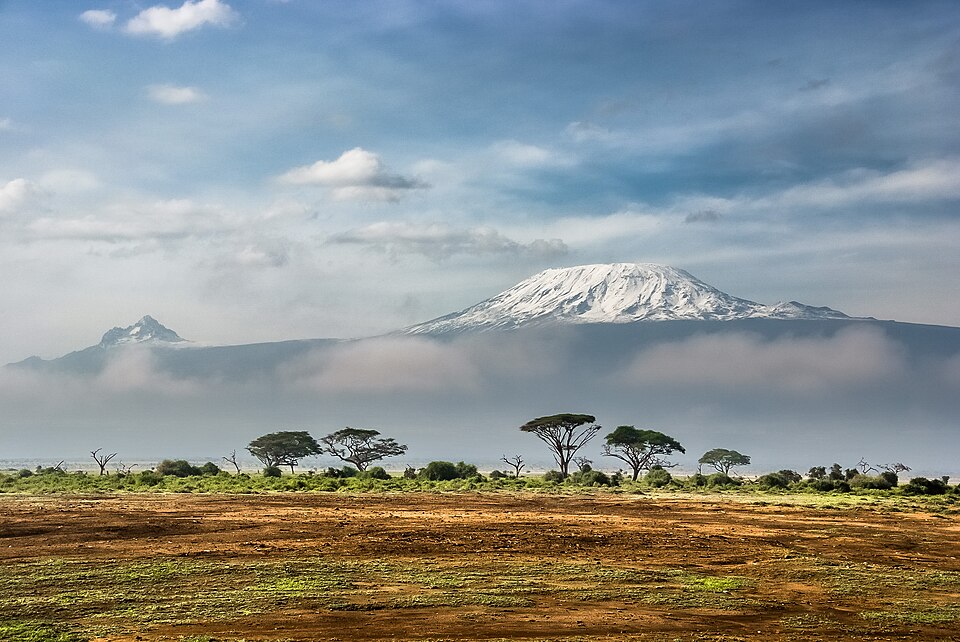
- صورة: Sergey Pesterev · CC BY-SA 4.0رحلة مشي تنزانيا
Kilimanjaro: The Machame Route to Uhuru Peak
Six days from rainforest to glaciers on the 'Whiskey Route', the most scenic way up Kilimanjaro, camping from gate to gate and topping out at Uhuru Peak (5,895 m), the roof of Africa.
- المدة
- 6 أيام
- المسافة
- 62 كم
- مستوى الصعوبة
- للخبراء
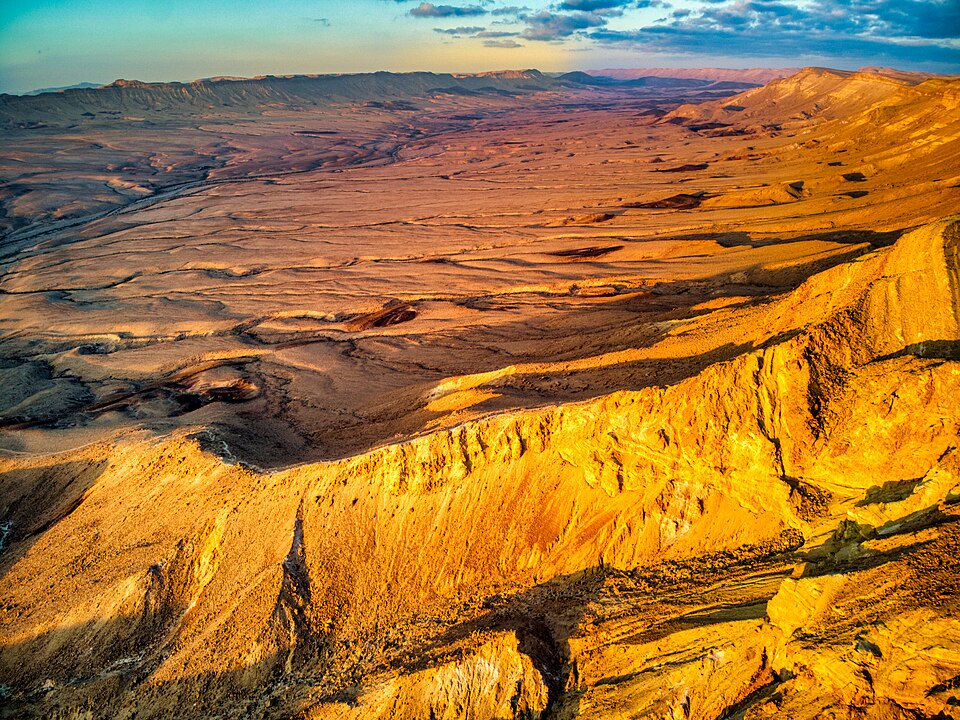
- صورة: Hagai Agmon-Snir حچاي اچمون-سنير חגי אגמון-שניר · CC BY-SA 4.0رحلة مشي إسرائيل
Makhtesh Ramon — Rim to Crater Floor
One to two days in the world's largest erosion crater: the rim promenade at Mitzpe Ramon, the prismatic stone columns of the Carpentry, the coloured sands of the Ardon valley and the desert spring at Ein Saharonim.
- المدة
- 2 يومان
- المسافة
- 18 كم
- مستوى الصعوبة
- متوسط
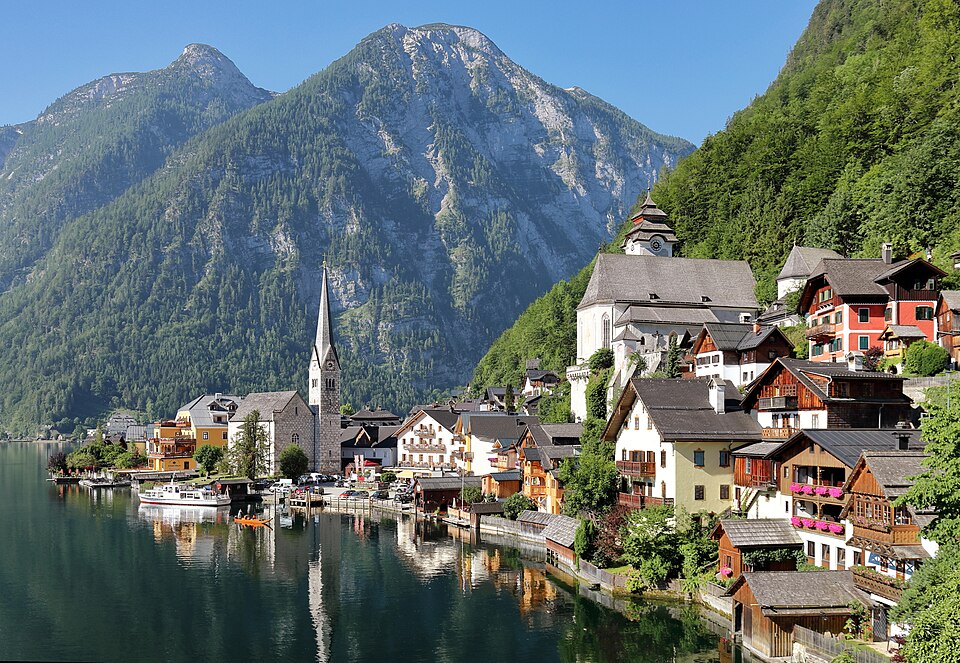
- صورة: C.Stadler/Bwag · CC BY-SA 4.0رحلة مشي النمسا
Hallstatt & the Dachstein — Lake, Salt Mine and Ice Cave
Two unhurried days in the Salzkammergut: a lakeside village wedged between cliff and water, the oldest salt mine in the world above it, and an ice cave and clifftop platform in the Dachstein across the lake.
- المدة
- 2 يومان
- المسافة
- 8 كم
- مستوى الصعوبة
- متوسط
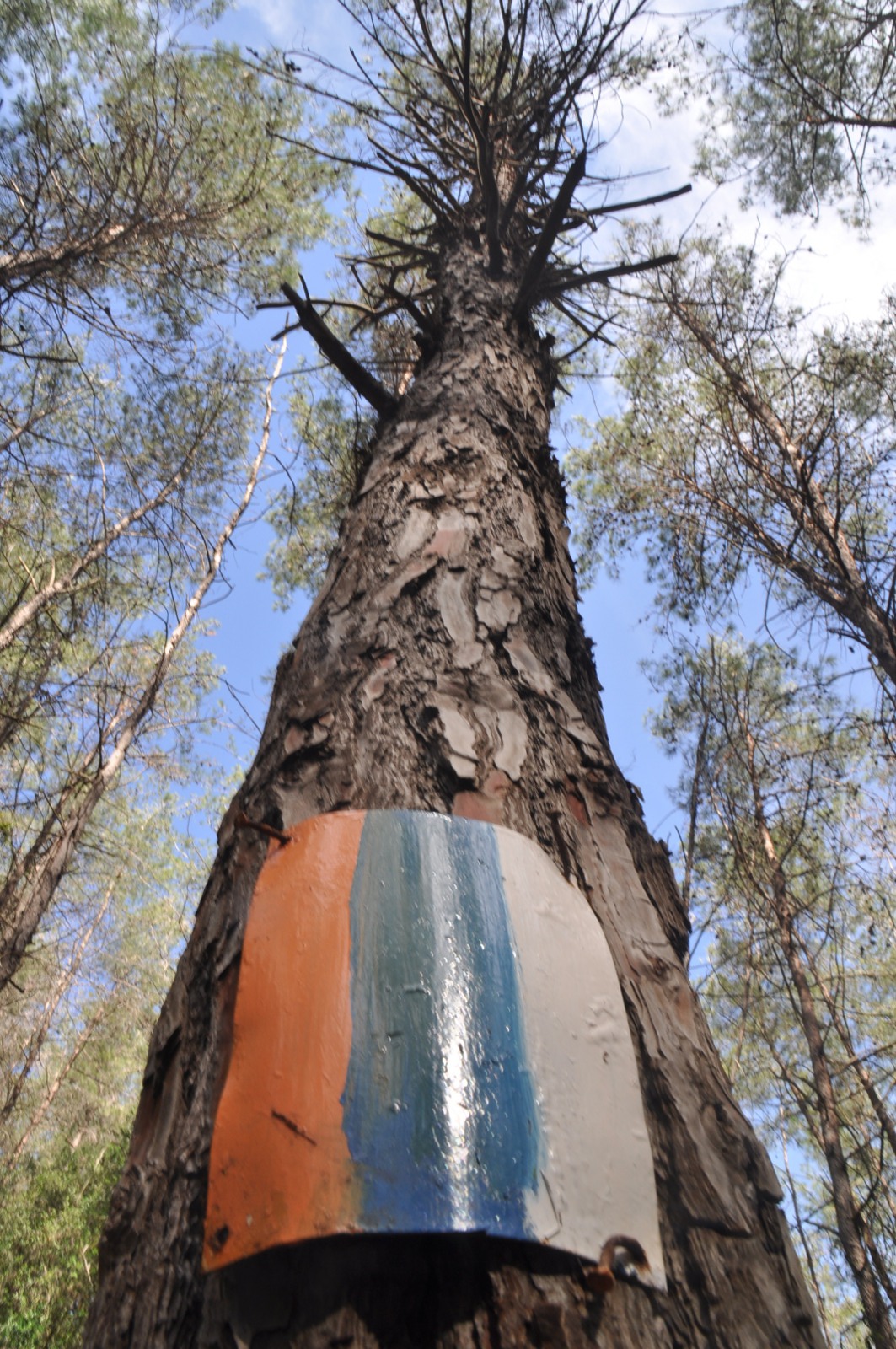
- صورة: אורן פלס · CC BY 2.5رحلة مشي إسرائيل
Israel National Trail: Five-Day Highlights
The most beautiful five days of the 1,100 km Israel National Trail — the Galilee ridges, Mount Carmel, the Wilderness of Zin, the Ramon Crater and the Eilat Mountains down to the Red Sea.
- المدة
- 5 أيام
- المسافة
- 92 كم
- مستوى الصعوبة
- صعب