The Classic Inca Trail to Machu Picchu
نصائح عملية ومعلومات مفيدة لمسار The Classic Inca Trail to Machu Picchu.
قائمة التجهيز
مُعدّة مسبقًا لهذا المسار، من المعدات التي يحتاجها مسار كهذا ومن المعدات التي تذكرها نصائحه. ضعوا علامة على كل غرض أثناء التجهيز.
Permits & fees
-
Book your permit 4–6 months ahead
Permits are capped at 500 people per day (only about 200 of them trekkers), sell out months ahead for May–August, and are date-fixed, non-transferable and tied to your passport number — no name changes, no refunds. Sales for the following year have historically opened in autumn, so serious planners book the week they’re released. Independent trekking is prohibited — book through a licensed operator, and bring the exact passport your permit was issued against; it’s checked at the trailhead.
-
Huayna Picchu is a separate ticket — ask for it at booking
The famous peaks above the ruins — Huayna Picchu and Machu Picchu Mountain — are separate, limited add-on tickets that sell out on their own timetable. If you want one, have your trek operator book it at the same time as your permit, not after. Huayna Picchu has also closed for part of the year in recent seasons, so check the calendar before setting your heart on it.
Best time to go
-
Dry season May–September, and never February
The dry season gives the most reliable trail conditions. The trail closes completely every February for maintenance — plan around it rather than discovering it at booking time.
Safety
-
Acclimatise in Cusco for at least two days
Dead Woman’s Pass on day 2 is 4,215 m, and altitude — not distance — is the real challenge. Arrive in Cusco (3,400 m) at least two days early and take it easy before the trek starts.
Getting there
-
In via Km 82, out by train
Your operator drives you to the trailhead at Km 82 (Piscacucho) near Ollantaytambo; the return is by train from Aguas Calientes below Machu Picchu. Confirm which station your train leaves from and book the return leg with the trek.
Gear & packing
-
Porters carry group gear — keep your own pack light
You only carry your daypack — but porter loads are capped by Peru’s porter-welfare law and weighed by rangers at checkpoints, so most operators limit your personal duffel to roughly 7 kg including sleeping bag and mat. Pack layers for freezing camps and sun protection for the passes, and as little else as possible.
Local insights
-
The Sun Gate arrival is the whole point
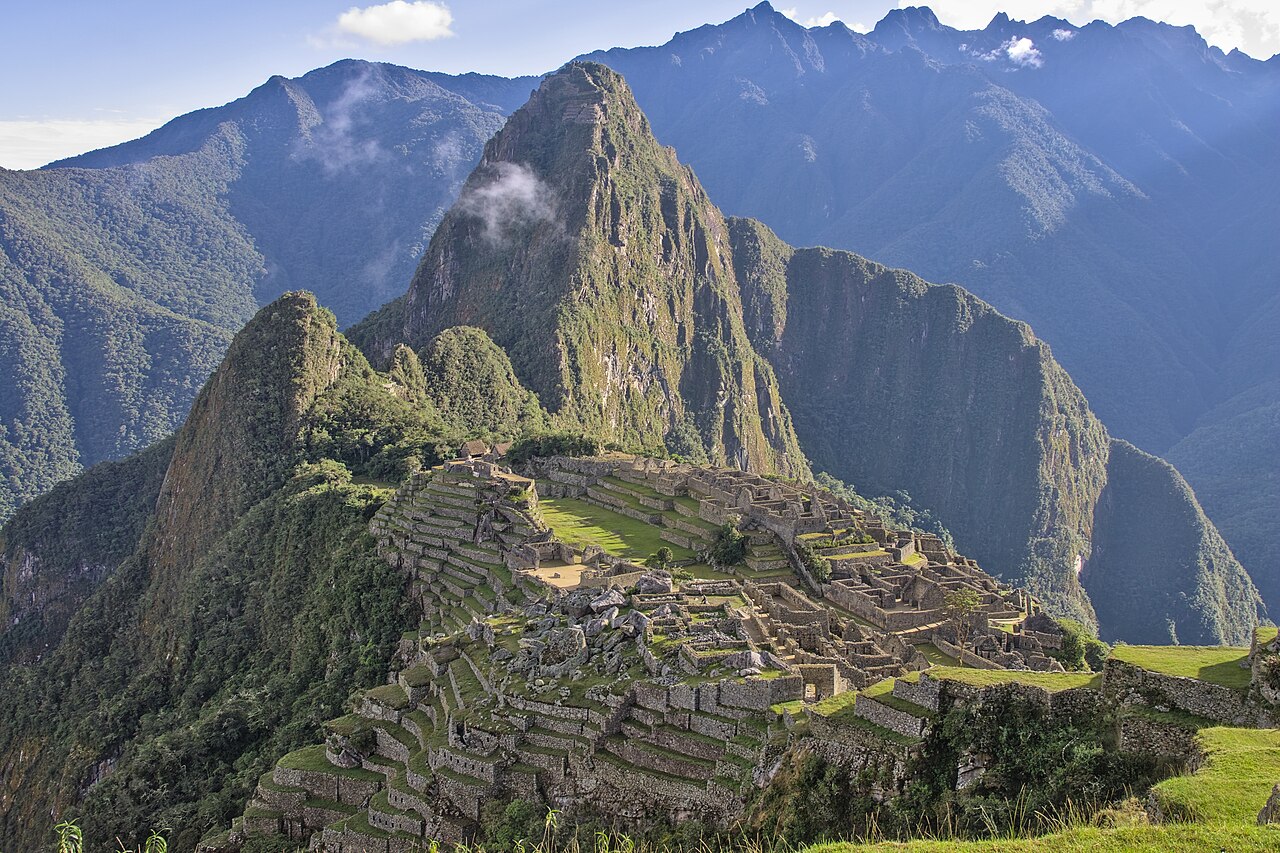
The final morning delivers you to Machu Picchu on foot through Inti Punku, the Sun Gate, at dawn — the way the Inca road was meant to arrive. It’s why day 4 starts brutally early; don’t fight the wake-up call.
-
Expect a one-way circuit, not free roaming
Machu Picchu is now visited on timed one-way circuits, and Inca Trail trekkers arrive onto an assigned route — you can’t wander the whole site at will. If you want both the temples up close and the classic postcard terrace, the clean solution is a second visit the next morning from Aguas Calientes on its own ticket. The circuit rules have been reshuffled several times — have your operator walk you through the current version.
-
Carry soles for the tipping ceremony
On the last evening in camp the crew — porters, cook, guide — gathers for a farewell where tipping is a genuine tradition, not an ambush. It’s a real line in your budget, and there are no ATMs after Ollantaytambo, so bring enough cash in soles from Cusco and organise the group’s contribution early. Your operator can tell you the customary range.
Water & food
-
Treat water and carry snacks for the passes
Operators boil water at camps, but carry purification for refills between them, plus high-energy snacks — the long climb to Dead Woman’s Pass is not the place to run empty.
قد يعجبكم أيضًا
- صورة: Stevage · CC BY-SA 3.0رحلة مشي بيرو
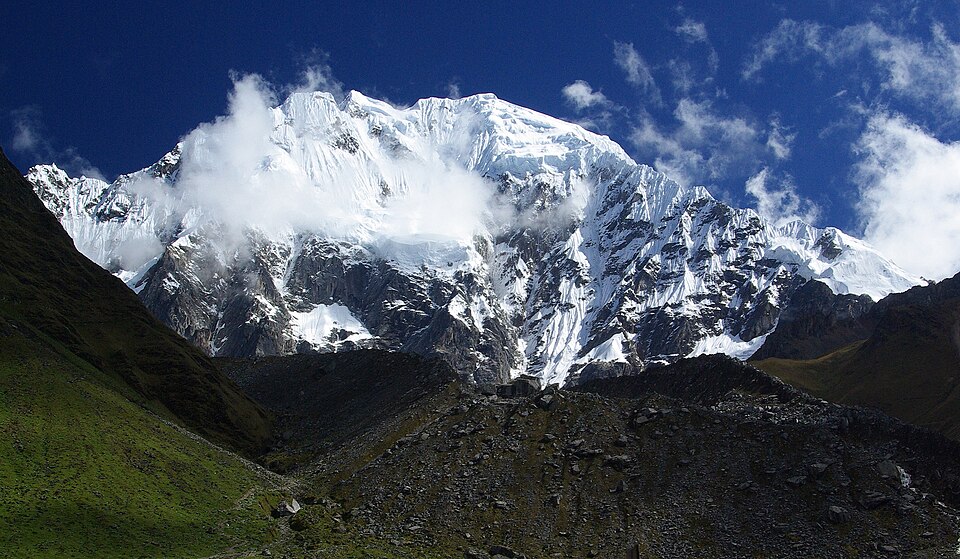
The Salkantay Trek to Machu Picchu
Five days around a 6,271 m ice giant — a glacial pass at about 4,630 m, a turquoise lake, and a long drop into cloud forest, all the way to Machu Picchu without a permit lottery.
- المدة
- 5 أيام
- المسافة
- 74 كم
- مستوى الصعوبة
- صعب
- صورة: kallerna · CC BY-SA 4.0رحلة مشي اليونان
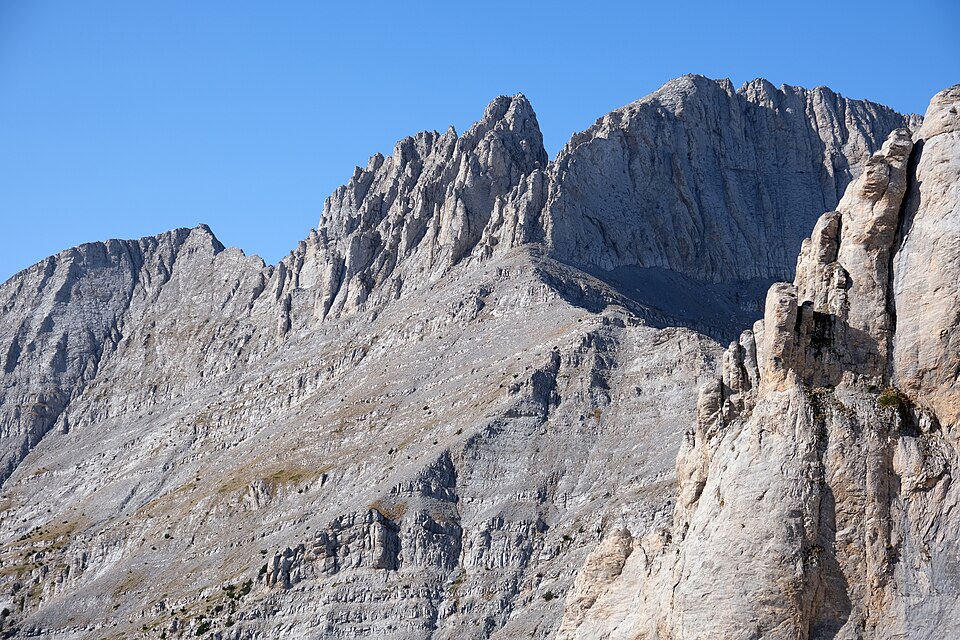
Mount Olympus — Prionia to Mytikas, the Home of the Gods
Two days from the Prionia trailhead through beech forest to Refuge A, then up to Skala and across the exposed Kaki Skala scramble to Mytikas (2,918 m), the highest point in Greece.
- المدة
- 2 يومان
- المسافة
- 18 كم
- مستوى الصعوبة
- صعب
- صورة: Lennart Sikkema · CC BY 3.0رحلة مشي الولايات المتحدة
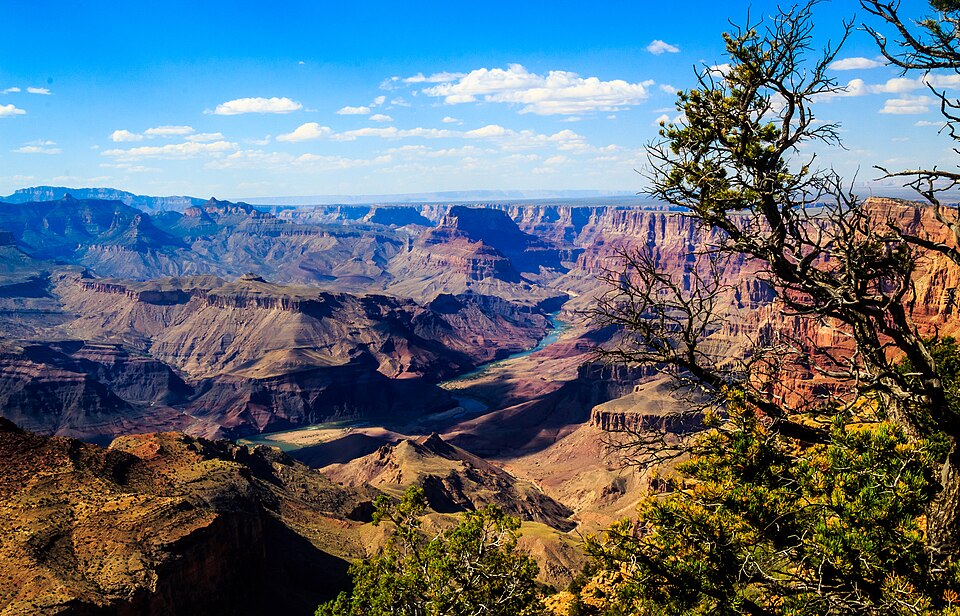
Grand Canyon Rim-to-Rim — North Kaibab to Bright Angel
The classic crossing of the Grand Canyon: down the North Kaibab Trail from the cool, forested North Rim to the Colorado River at Phantom Ranch, then up the Bright Angel Trail to the South Rim.
- المدة
- 3 أيام
- المسافة
- 38 كم
- مستوى الصعوبة
- صعب
- صورة: אורן פלס · CC BY 2.5رحلة مشي إسرائيل
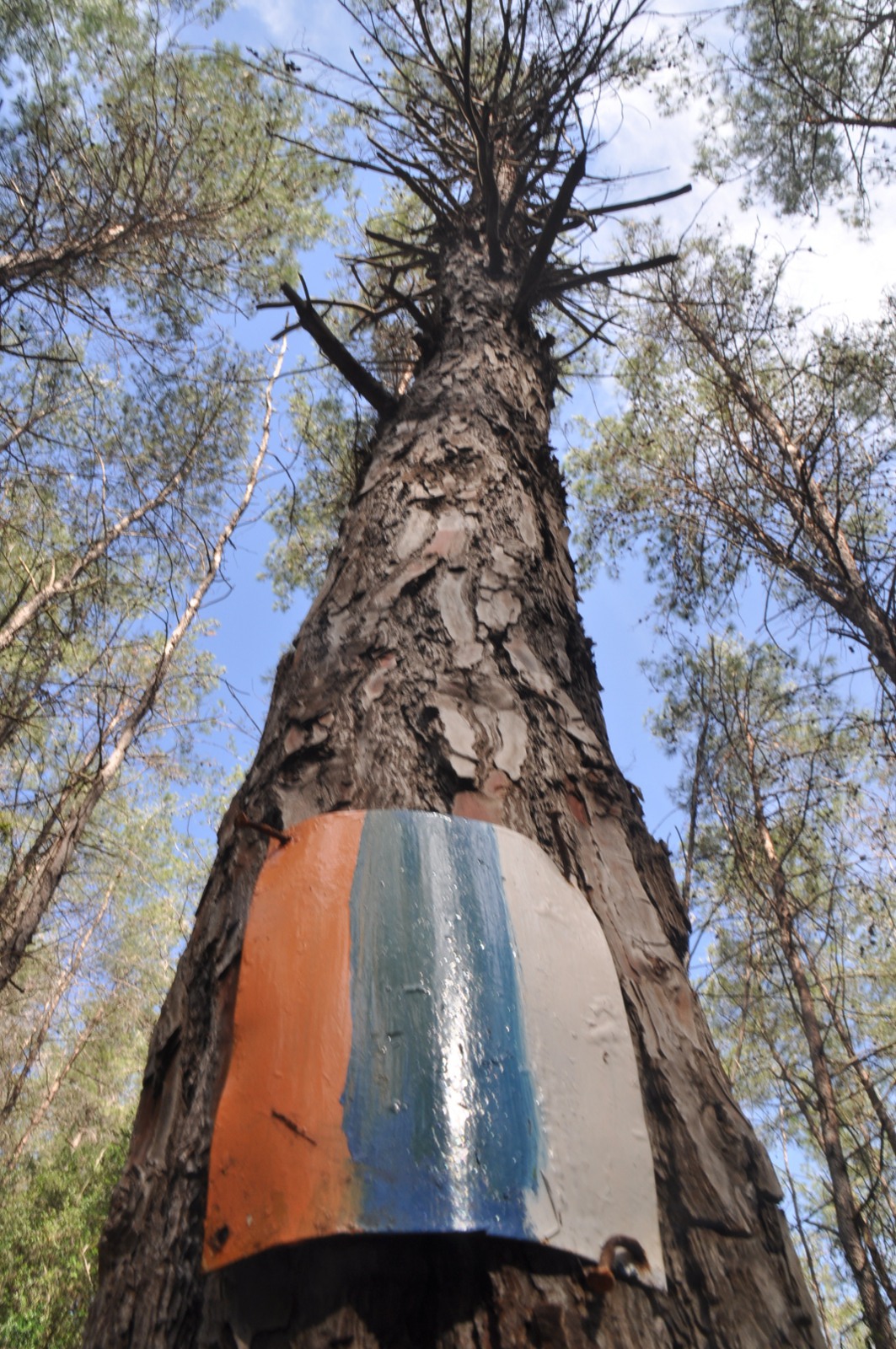
Israel National Trail: Five-Day Highlights
The most beautiful five days of the 1,100 km Israel National Trail — the Galilee ridges, Mount Carmel, the Wilderness of Zin, the Ramon Crater and the Eilat Mountains down to the Red Sea.
- المدة
- 5 أيام
- المسافة
- 92 كم
- مستوى الصعوبة
- صعب