Attraction Montreal — Côte-des-Neiges, Canada

Saint Joseph's Oratory: Canada's Largest Church, Level by Level

Up the pilgrims' stairs and through the shrine a doorkeeper built: Brother André's first chapel, the candlelit Votive Chapel and his tomb, the crypt church, the great Art Deco basilica under the dome and the Way of the Cross garden on the mountainside.

Saint Joseph's Oratory: Canada's Largest Church, Level by Level
Photo: Paolo Costa Baldi · CC BY-SA 3.0
Duration
1 day
Distance
1.5 km
Difficulty
Easy
Best season
Year-round; May–October for the gardens and the long summer sunsets

Walking

    Your location stays on this phone. It is never sent, stored or put in a link.

    Getting there and back

    Start
    Main entrance, Chemin Queen-Mary
    Finish
    Garden of the Way of the Cross

    One-way: plan your trip back

    The green copper dome of Saint Joseph’s Oratory sits high on the western shoulder of Mount Royal and can be seen across much of the west of the city. It is the largest church in Canada, with one of the largest church domes in the world: 39 metres across outside and rising 97 metres above the floor of the nave. It is also the highest building in Montreal, rising more than 30 metres above the summit of Mount Royal itself and the only building allowed past the city’s height limit. It draws more than two million visitors a year, and what makes it moving rather than just enormous is the story of how it came to be.

    It began in 1904 as a tiny wooden chapel built by Brother André Bessette, a frail, barely literate lay brother who worked for decades as the doorkeeper of a boys’ college across the road. People came to him in growing numbers asking for his prayers, reports of healings spread, and the donations of ordinary believers slowly built the crypt church, then the basilica, over some sixty years. When he died in 1937, about a million people filed past his coffin. He was canonized in 2010, and the Oratory remains an active pilgrimage shrine as much as a monument. Visit it with that in mind: quiet voices, covered shoulders, and the sense that for many people here this is not sightseeing.

    Getting there. Take the blue line to Côte-des-Neiges metro station and walk about 10 minutes along Chemin Queen-Mary to the main entrance. There is paid parking on site. Elevators connect every level from the entrance to the basilica, so you can skip the stairs entirely if you need to.

    Permits & tickets. Entry to the shrine, the chapels and the basilica is free; donations are welcome. The museum and guided tours are paid. Hours, tour times and prices change, so check the Oratory’s official site before you go.

    Good to know:

    Tips & Insights for this route Planning this route? Read our practical tips before you go — 8 tips. Read the tips

    Day by day

    DayDistanceAscentDescentWalking time
    Day 1 Hardest dayFrom the first chapel to the dome
    Distance1.5 kmAscentNot recordedDescentNot recordedWalking timeNot recorded

    Flights on Kayak Car rental on Localrent Travel eSIM on Airalo

    Day 1

    From the first chapel to the dome

    Main entrance, Chemin Queen-Mary → Garden of the Way of the Cross 1.5 km

    Work upward through the shrine in the order it was built, from Brother André’s wooden chapel to the great basilica, and finish in the Way of the Cross garden.

    Segments

    1. The pilgrims' stairs 0.3 km Map

      Main entrance, Chemin Queen-Mary → Upper terrace

      Long outdoor staircase, with elevators as an alternative

      From the forecourt, look up at the full height of the building before you start: the Renaissance Revival front rising in terraces to the dome. The staircase has 283 steps, and its central wooden flight is kept for pilgrims who climb on their knees, which you will often see. Take a side flight, or the elevators inside if stairs are not for you, and stop at the terraces on the way up for the view back over the city. About 15 minutes.

    2. Brother André's original chapel
      Brother André's original chapel 0.2 km Map

      Upper terrace → Original chapel

      Paved paths on the hillside

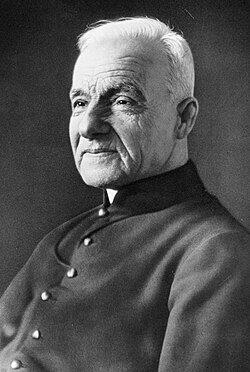
      Beside the great church stands the modest chapel where it all began in 1904, built by Brother André and his supporters so he could receive the people who came asking for his prayers. Its small scale, next to the dome above it, tells the whole story of the place better than any plaque. About 15 minutes.

      About this place

      André Bessette, C.S.C., commonly known as Brother André and since his canonization as Saint André of Montreal, was a lay brother of the Congregation of Holy Cross and a significant figure of the Catholic Church among French Canadians. He is credited with thousands of reported healings associated with his pious devotion to Saint Joseph.

      Read more on Wikipedia Photo: Unknown authorUnknown author · Public domain
    3. The Votive Chapel and Brother André's tomb
      The Votive Chapel and Brother André's tomb 0.2 km Map

      Original chapel → Votive Chapel

      Indoor chapel

      Go inside to the Votive Chapel, where some 10,000 candles burn and nearly a thousand ex-votos line the walls, including the crutches and canes left by pilgrims who believed they had been healed. Brother André's tomb is here, and his heart is preserved in a reliquary at the Oratory; it was stolen in 1973 and recovered in 1974. This is the emotional centre of the shrine; take your time. About 20 minutes.

      About this place

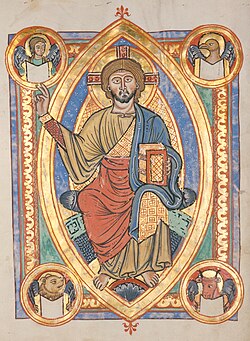
      An ex-voto is a votive offering to a saint or a divinity, given in fulfillment of a vow or in gratitude or devotion. The term is usually restricted to Christian examples.

      Read more on Wikipedia Photo: Painting: anonymous, Photo: Andreas Praefcke · Public domain
    4. The Crypt Church
      The Crypt Church 0.1 km Map

      Votive Chapel → Crypt Church

      Indoor church

      The crypt church, holding about 1,000 people, is where daily Masses are most often celebrated and where the community of the Oratory really gathers. It is lower, warmer and more intimate than the basilica above, and a good place simply to sit for a few minutes. About 15 minutes.

      About this place

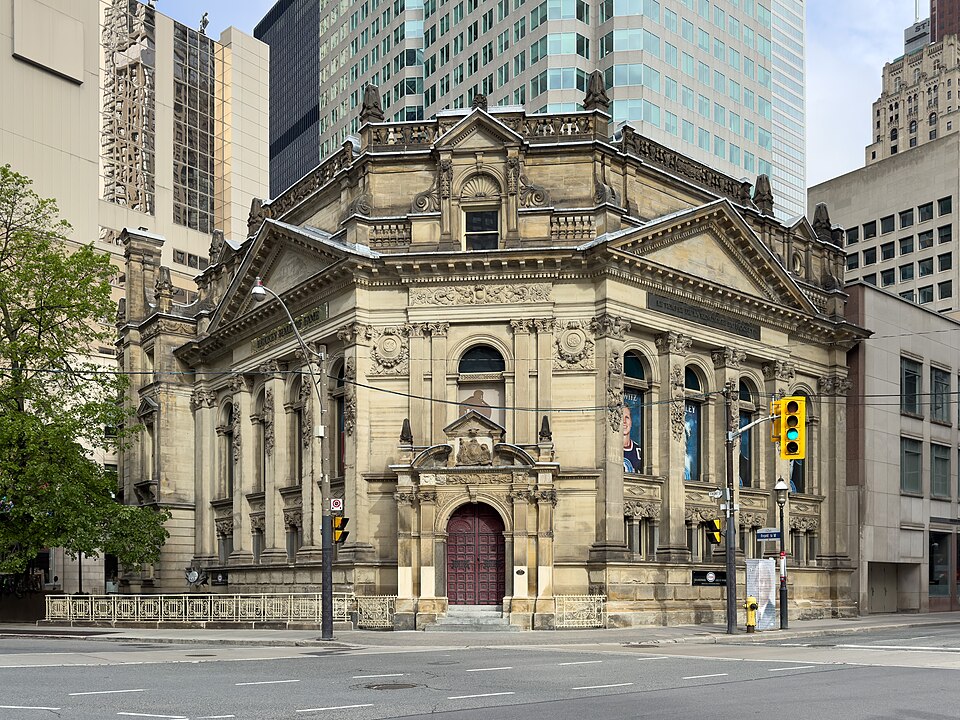
      A crypt is a stone chamber beneath the floor of a church, above ground within a cemetery's mausoleum or a free-standing outdoor memorial tomb. It typically contains coffins, sarcophagi, or religious relics and sometimes cremation urns.

      Read more on Wikipedia Photo: Valdavia · CC BY-SA 4.0
    5. The basilica under the dome 0.2 km Map

      Crypt Church → Basilica

      Indoor basilica, reached by elevator or stairs

      Take the elevators up to the basilica, finished inside in 1967. Where the outside is classical, the interior is a sober, soaring Art Deco space, and the dome opens 97 metres above you. Afterwards, step out onto the terrace in front of the basilica for the widest view from the Oratory over the west of Montreal. About 30 minutes.

    6. The Garden of the Way of the Cross
      The Garden of the Way of the Cross 0.5 km Map

      Basilica → Garden of the Way of the Cross

      Sloping garden paths

      Finish outside on the slope of the mountain behind the Oratory, where the Stations of the Cross are set as a series of sculptures along paths through the trees. It is a peaceful half hour whatever your beliefs, and in the warmer months there are guided tours of the garden. About 30 minutes.

      About this place

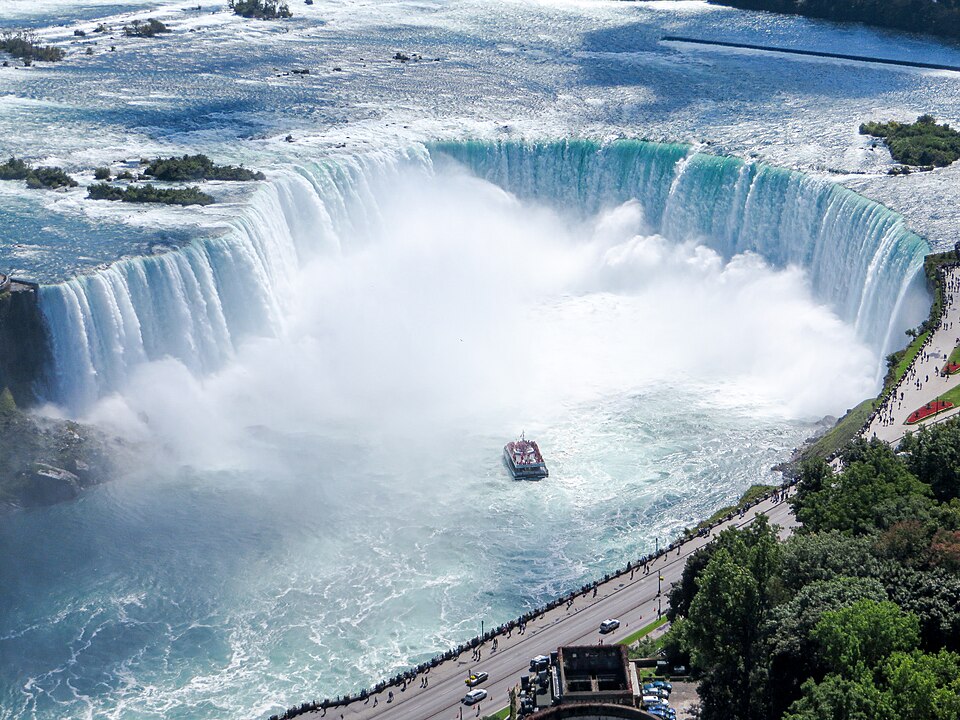
      The Stations of the Cross or the Way of the Cross, also known as the Way of Sorrows, the Via Crucis or the Via Dolorosa, are any series of fourteen images depicting Jesus Christ on the day of his crucifixion and accompanying prayers. These stations are derived from the imitations of the Via Dolorosa in Jerusalem which is a traditional processional route symbolizing the path Jesus walked from the Lions' Gate to Mount Calvary. The objective of the stations is to help the faithful to make a spiritual pilgrimage through contemplation of the Passion of Christ. It has become one of the most popular devotions and the stations can be found in many Western Christian churches, including those in the Catholic, Lutheran, Anglican and Methodist traditions.

      Read more on Wikipedia Photo: medieval · Public domain
    Partner link: if you book through it we may earn a commission, at no extra cost to you. It does not change what we recommend. How this works

    Tips & Insights

    Best time to go

    • Late afternoon into sunset

      Come in the late afternoon: the tour groups have thinned, the light on the dome is at its best and you can finish on the terrace in front of the basilica as the sun goes down over the west of the city. From May to October the Way of the Cross garden adds a quiet green hour on the hillside. Major religious feast days bring big crowds, which is worth seeing but not if you want quiet.

    Getting there

    • Blue line, then a 10-minute walk

      Côte-des-Neiges metro on the blue line is the nearest station; from there it is about 10 minutes on foot along Chemin Queen-Mary to the entrance. If you are coming from the top of Mount Royal, you can combine the two in one day, but the Oratory and the park summit are separate hilltops, so take a bus or taxi between them rather than expecting a short walk.

    Tickets & reservations

    • Free to enter, pay only for the extras

      The shrine itself costs nothing. The museum and guided tours are paid, and tour times vary by season and language. The renovated dome has added a new visitor experience at the top; check the official site for what is currently open, when, and whether it needs a booking.

    Local insights

    • Start small, end big

      Most people walk straight into the basilica and leave. Do it the other way round: begin at Brother André’s original little chapel, then the Votive Chapel with its thousands of candles and wall of crutches left by pilgrims, then the crypt, and only then go up to the basilica. The scale of the place only makes sense once you have seen how small it started.

    Where to stay

    • Downtown, or near the universities

      Côte-des-Neiges is a student and residential district, with a handful of hotels near the Université de Montréal and the hospitals. Most visitors stay downtown and ride the blue line in; the Oratory is about half an hour door to door from the city centre.

    Food

    • Eat on Chemin de la Côte-des-Neiges

      The Oratory has a café, but the neighbourhood around Côte-des-Neiges metro is one of the most international in Montreal, and the main street is lined with inexpensive restaurants serving the cuisines of its many immigrant communities. It is a good, unpretentious place for lunch before or after.

    With kids

    • Let them count the steps

      Children will not care much about the architecture, but counting the 283 steps (on the side flights), spotting the dome from the terrace and finding the crutches in the Votive Chapel make it a game. The elevators are a relief with strollers, and a full visit need not take more than two hours.

    Safety

    • Mind the stairs in winter

      The outdoor steps and the terraces can be icy from December to March. Use the elevators or the covered access from the main entrance in bad weather, and save the steps for a dry day.

    Comments