← All routes
Trek Upper Galilee — Mount Meron to the Sea of Galilee, Israel

Nahal Amud — Springs, Canyon and the Pillar Rock

A descent through the shaded canyon of the Amud Stream in the Upper Galilee, past year-round springs and pools to the tall pillar of rock that gave the stream its name, on down toward the Sea of Galilee.

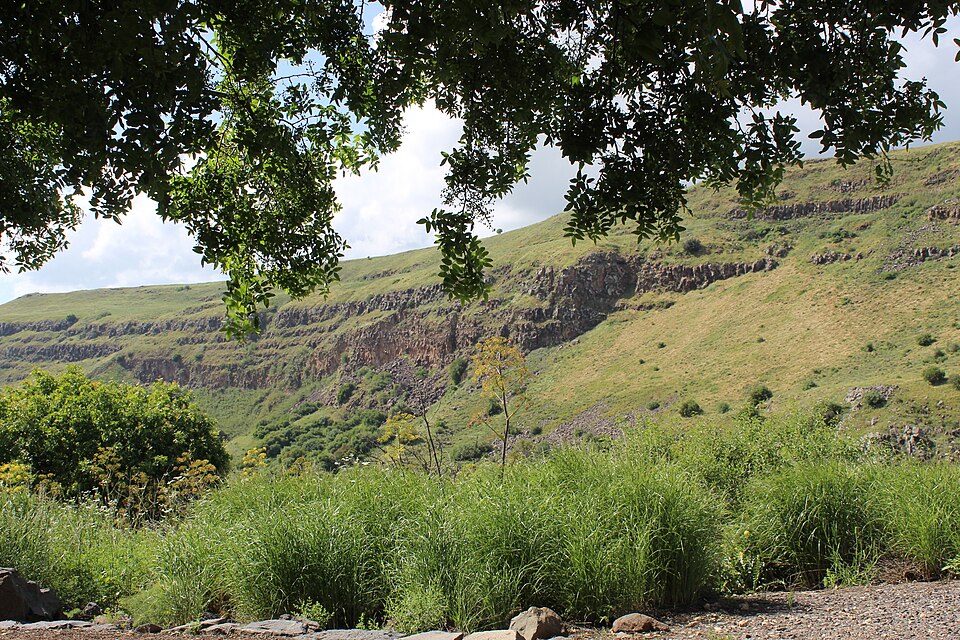
Nahal Amud — Springs, Canyon and the Pillar Rock
Photo: Pacman · Public domain
Duration
1 days
Distance
11 km
Ascent
150 m
Difficulty
Moderate
Best season
October–April, when the springs run full and the canyon is green; avoid summer heat, and check for flash-flood warnings after winter storms

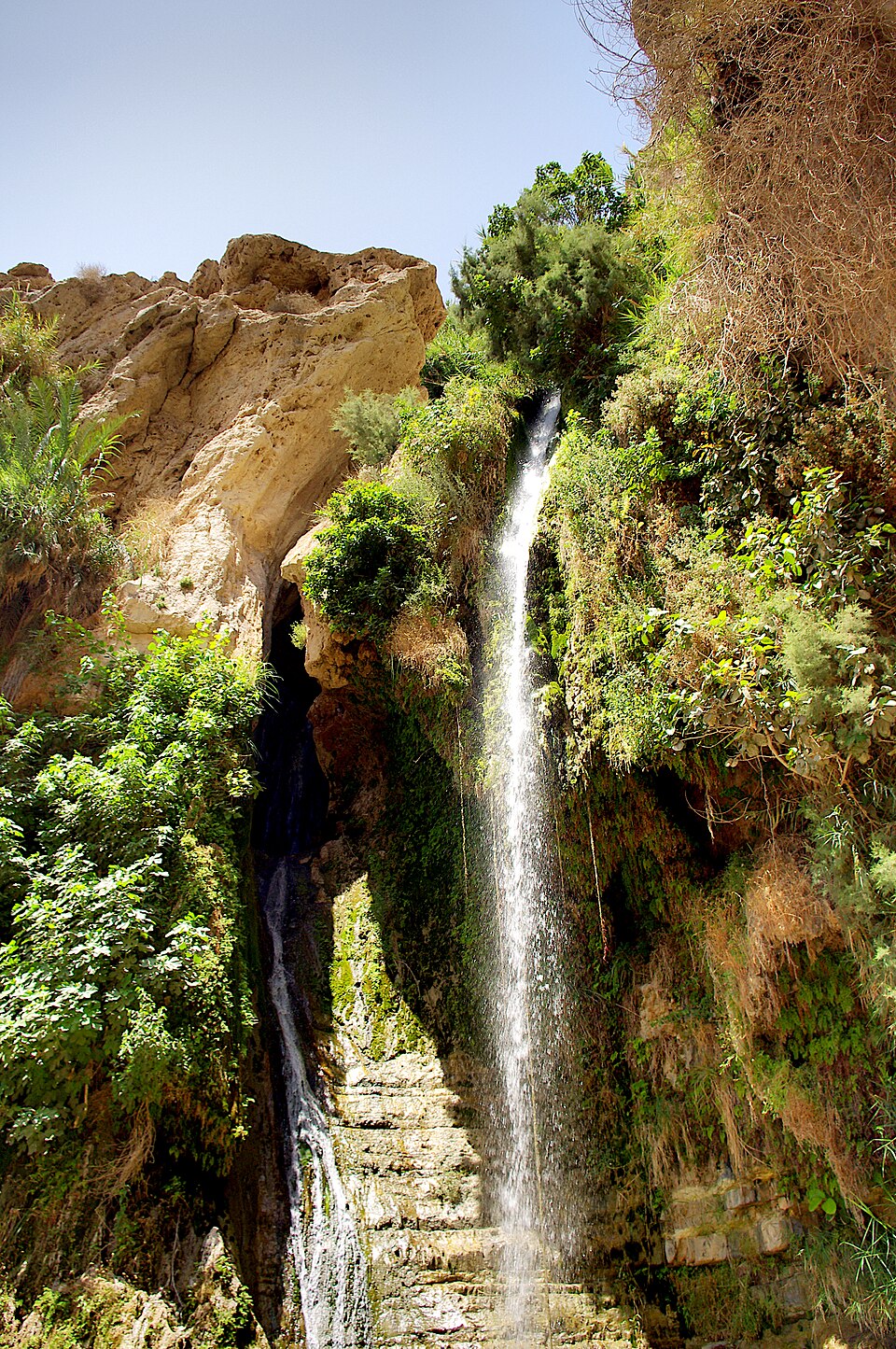
Nahal Amud is one of the loveliest walks in the Upper Galilee: a stream that rises high on the flanks of Mount Meron and falls more than a thousand metres to the Sea of Galilee, cutting a deep, green gorge on the way. Its upper reaches flow all year from natural springs, gathering into clear pools and small waterfalls beneath oak, walnut and plane trees — a rare band of shade and running water in a dry country.

The stream takes its name — ‘amud’ means pillar — from a lone column of rock that stands high above the channel near Kibbutz Hukok. The gorge is also one of the country’s great prehistoric sites: the Amud and Zuttiyeh caves in its cliffs held early humans and Neanderthals, and the first paleoanthropological digs in the land took place here in the 1920s.

Getting there. Reach the upper trailhead off Route 866 in the Meron area, north of Safed. This is a linear descent, so arrange a shuttle or second car at the lower end near the Sea of Galilee, or walk the popular upper loop and return to your car.

Good to know:

Day 1

Down the Amud gorge

Route 866 trailhead (Meron area) → Nahal Amud outlet near the Sea of Galilee 11 km ↑ 150 m

A linear walk following the stream down its gorge, from the shaded upper springs and pools, beneath towering cliffs, past the landmark pillar and the prehistoric caves, to the open ground above Lake Kinneret.

Segments

  1. Into the canyon 2 km ↑ 30 m

    Route 866 trailhead → Sekhvi spring

    Rocky descent path

    Drop from the open plateau on the flanks of Mount Meron down a rocky path into the head of the gorge, where the first springs appear and the air turns cool and green. About 1 hour.

  2. The springs and pools 2 km ↑ 20 m

    Sekhvi spring → Ein Tanur pool

    Streamside path, wet rock

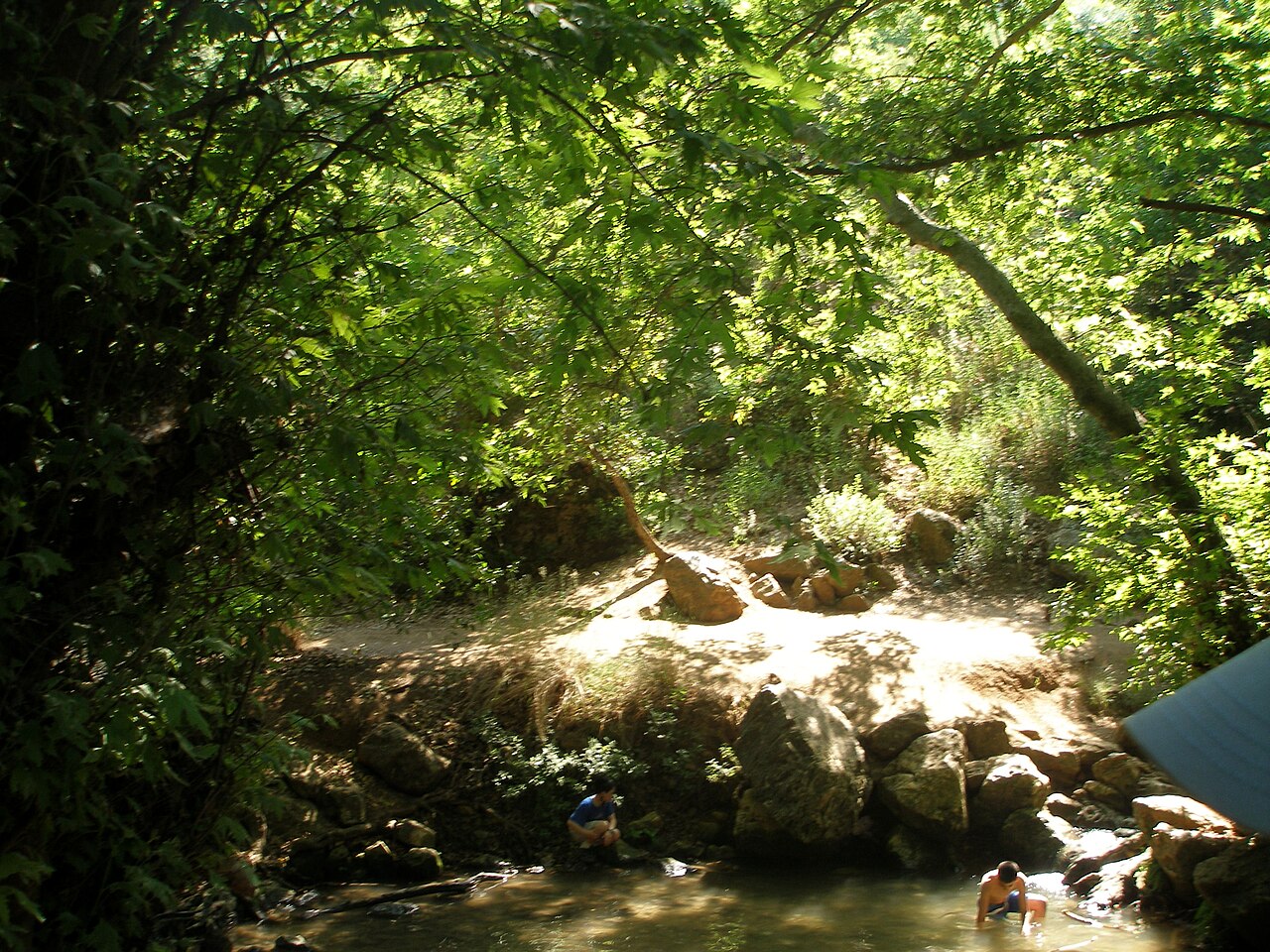
    Follow the running water past a chain of clear pools and small falls to Ein Tanur, the 'oven' spring, one of the prettiest bathing pools in the Galilee, ringed by ferns and reeds. About 1.5 hours.

  3. The shaded canyon 3 km ↑ 40 m

    Ein Tanur pool → Upper canyon narrows

    Streambed and woodland path

    The gorge deepens into dense Mediterranean woodland of oak, walnut and plane, with tall cliffs where vultures and eagles nest. The path threads the streambed beneath the walls. About 1.5 hours.

  4. The Amud pillar 2 km ↑ 30 m

    Upper canyon narrows → The Amud pillar

    Canyon path

    Reach the landmark that named the stream: the amud, a tall free-standing pillar of rock rising above the channel near Kibbutz Hukok, where the canyon opens toward the lake. About 1 hour.

  5. The prehistoric caves and out to the Kinneret
    The prehistoric caves and out to the Kinneret 2 km ↑ 30 m

    The Amud pillar → Nahal Amud outlet

    Open descent path

    Pass below the Amud and Zuttiyeh caves — cliff shelters that held early humans and Neanderthals and drew the first prehistoric excavations in the land in the 1920s — as the stream falls the last way toward the Sea of Galilee. About 1 hour.
    About this place

    Amud or Amoud is an ancient, ruined town in the Awdal region of Somaliland. Amud once served as one of the old capitals of the Adal Sultanate. Named after its patron Saint Amud, it was a center of activity during the Golden Age of the Adal Kingdom. The archaeological site is situated 1,000 metres (3,300 ft) above sea level, around 10 km southeast of the regional capital Borama. Archaeologist Jorge Rodriguez states that this town, similar to other ruins in the area, originates from around the 13th century and is associated with the Ifat and Adal Sultanates.

    Read more on Wikipedia ↗

    Photo: A.T. Curle · CC BY-SA 4.0